
Health News 2025-04-02 15:50:47
Rare Side Effects Detected in COVID-19 Vaccines Following a Study Involving 99 Million People
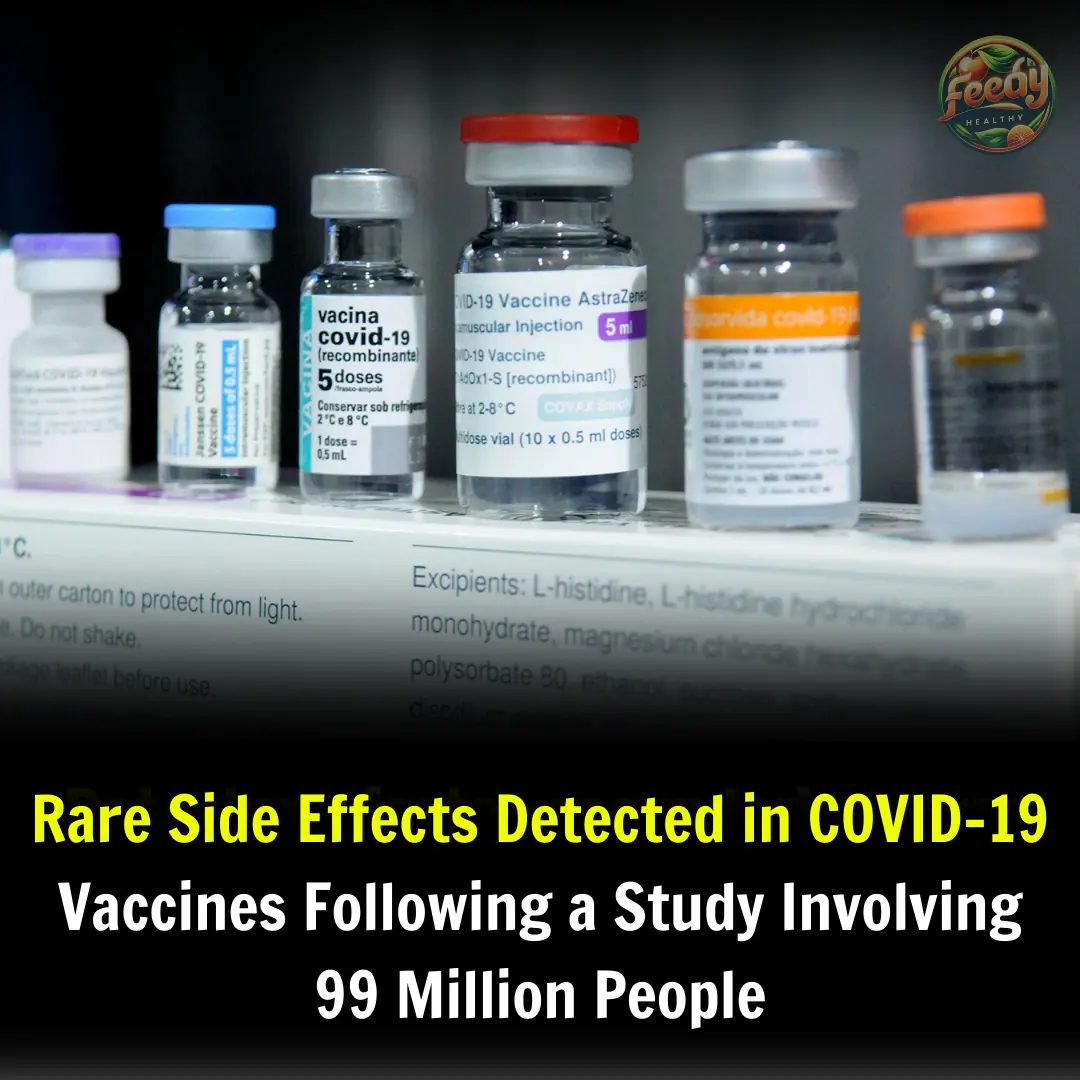
Since COVID-19 vaccination campaigns began in 2021, scientists have worked tirelessly to ensure the safety of the vaccines. A recent study published in the journal Vaccine analyzed data from nearly 99 million vaccinated individuals across eight countries to evaluate potential adverse effects.
This research is part of the Global COVID Vaccine Safety (GCoVS) Project and was conducted by the Global Vaccine Data Network (GVDN). The goal was to detect any serious side effects associated with mRNA vaccines (Pfizer-BioNTech and Moderna) and adenoviral vector vaccines (AstraZeneca).
What Was the Study Looking For?
Researchers focused on 13 specific health conditions that could potentially be linked to COVID-19 vaccination, including neurological, cardiac, and hematologic disorders. They compared the frequency of these conditions before and after vaccination to determine if the risk increased significantly.
Do COVID-19 Vaccines Cause Serious Side Effects?
The findings showed that most side effects were extremely rare, but a few reactions were identified that warrant closer monitoring.
Some of the most significant observations included a slight increase in the risk of the following conditions:
-
Guillain-Barré Syndrome (GBS): A rare neurological disorder where the immune system attacks the nerves. A higher number of cases was observed after the first dose of the AstraZeneca vaccine.
-
Cerebral Venous Sinus Thrombosis (CVST): A rare form of brain blood clot, also linked to the first AstraZeneca dose.
-
Acute Disseminated Encephalomyelitis (ADEM): Inflammation of the brain and spinal cord detected in a small number of individuals after the first dose of Moderna.
-
Myocarditis and Pericarditis: Inflammation of the heart muscle and surrounding tissue, more frequently observed after vaccination with Pfizer-BioNTech, Moderna, and AstraZeneca.
How High Is the Risk?
To assess whether a side effect was related to vaccination, researchers used a measure called the Observed-to-Expected (OE) ratio. A ratio above 1.5 indicated a noticeable increase in cases post-vaccination.
Here are the key OE findings:
-
Guillain-Barré Syndrome: OE ratio of 2.49 after the first dose of AstraZeneca, meaning more than double the expected cases.
-
Cerebral Venous Sinus Thrombosis: OE ratio of 3.23 after the first AstraZeneca dose—again, a significant increase.
-
ADEM (Acute Disseminated Encephalomyelitis): OE ratio of 3.78 among those who received the first dose of Moderna.
-
Myocarditis and Pericarditis: Increased incidence was observed with all three vaccines, though the overall risk in the general population remains low.
Should We Be Concerned About These Side Effects?
Experts stress that while these rare events are real, they are extremely uncommon when compared to the overwhelming benefits of vaccination.
To put things in perspective:
-
COVID-19 vaccines have saved millions of lives globally by significantly reducing hospitalizations and deaths.
-
Severe side effects are rare and often treatable with medical care.
-
The risk of complications from COVID-19 itself—such as thrombosis, heart damage, and neurological disorders—is far higher than the risk posed by the vaccines.
These findings support ongoing safety surveillance and help health authorities make informed decisions about vaccine use.
What’s Next for Vaccine Safety?
Despite the identification of these rare events, experts continue to affirm that vaccine safety remains very high. This study does not suggest vaccines are dangerous; rather, it contributes to a better understanding of how vaccines affect different people and helps refine safety monitoring.
Conclusion
A major global study published in Vaccine analyzed the health data of nearly 99 million vaccinated individuals across eight countries. The results confirmed that COVID-19 vaccines are generally safe, though a few rare side effects were identified, such as Guillain-Barré syndrome, cerebral thrombosis, and myocarditis.
Even with these findings, the benefits of vaccination far outweigh the risks. Vaccines remain our most powerful tool in preventing severe illness, hospitalizations, and deaths caused by COVID-19.
News in the same category

If Your Kidneys Are in Danger, Your Body Will Send You These 8 Signals — Don’t Ignore Them

The Surprising Effects of Avocado on Your Heart and Brain
Natural Remedy for Cataracts and Eye Inflammation: Restore Your Vision Naturally

Unlock the Golden Magic of Corn Silk Tea
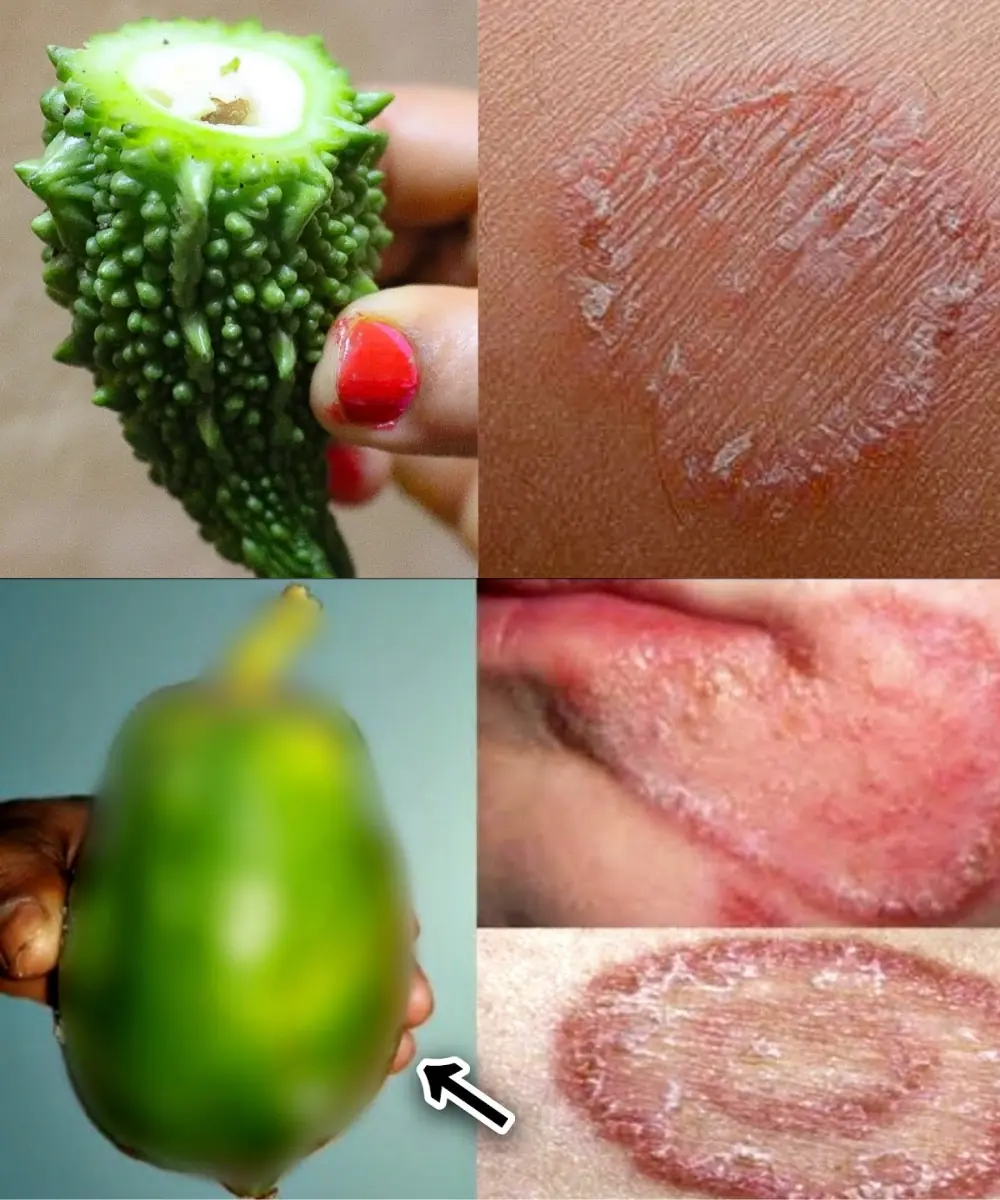
9 Powerful Home Remedies to Get Rid of Fungal Infection (Daad, Khaj, Khujli) Fast

7 Shocking Health Benefits Of Eating Sweet Potatoes Every Day — According To Science

About 15 Minutes Before a Stroke, the Body Often Sends 4 Clear Warning Signs — Call Your Loved Ones Immediately

Hidden Dangers in Your Mouth: Early Signs of Oral Cancer

The Secret Power Of The Herb That Helps You Age Gracefully

The Unexpected Benefits of Eating Chicken Feet
If You See Someone with “Blue Veins,” Tell Them This — It Could Save Their Life
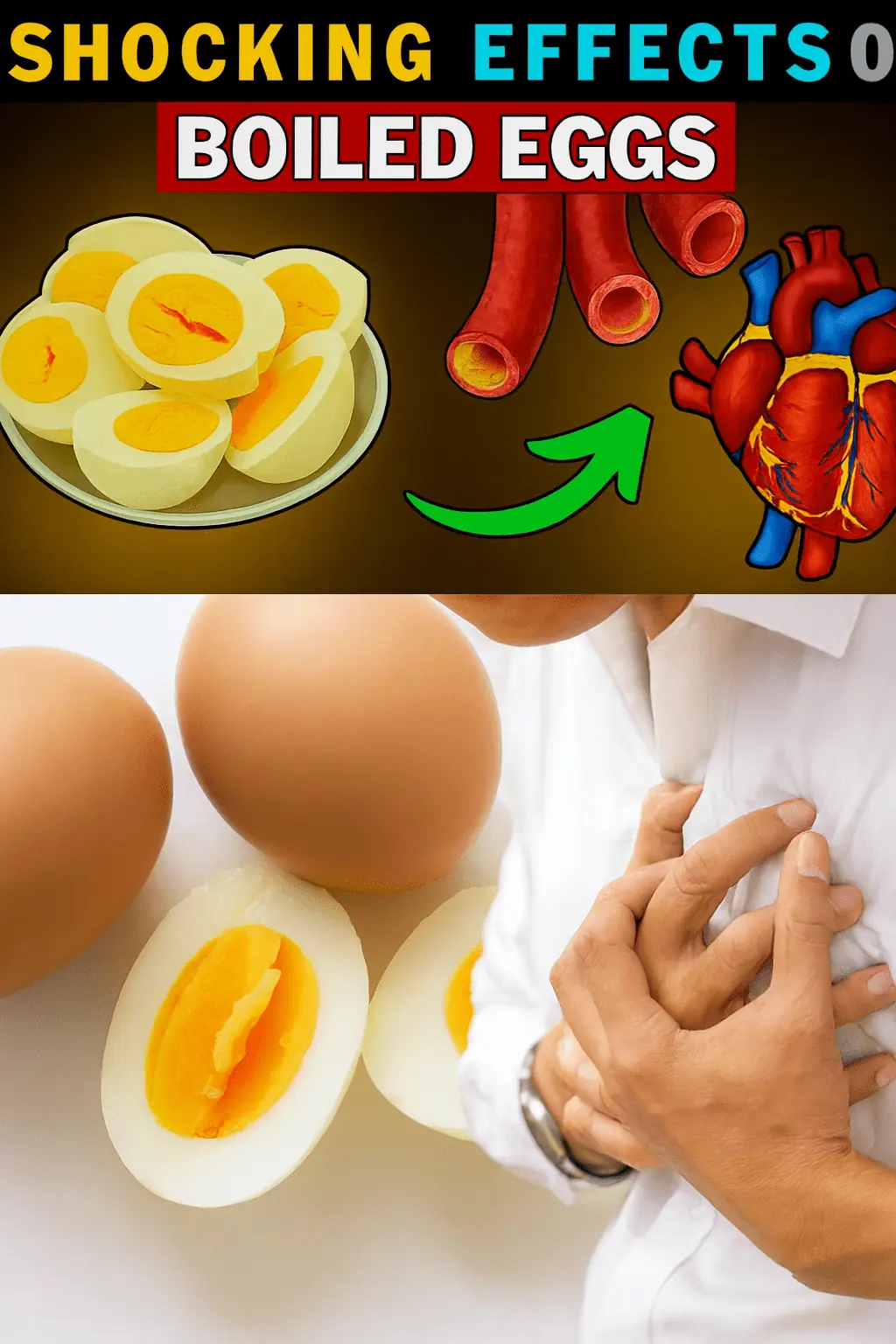
The Secret Power of Two Eggs a Day: Could This Simple Habit Transform Your Health? Buy vitamins and supplements

Man Passed Away After Eating Eggs — Stop Eating Eggs This Way Immediately
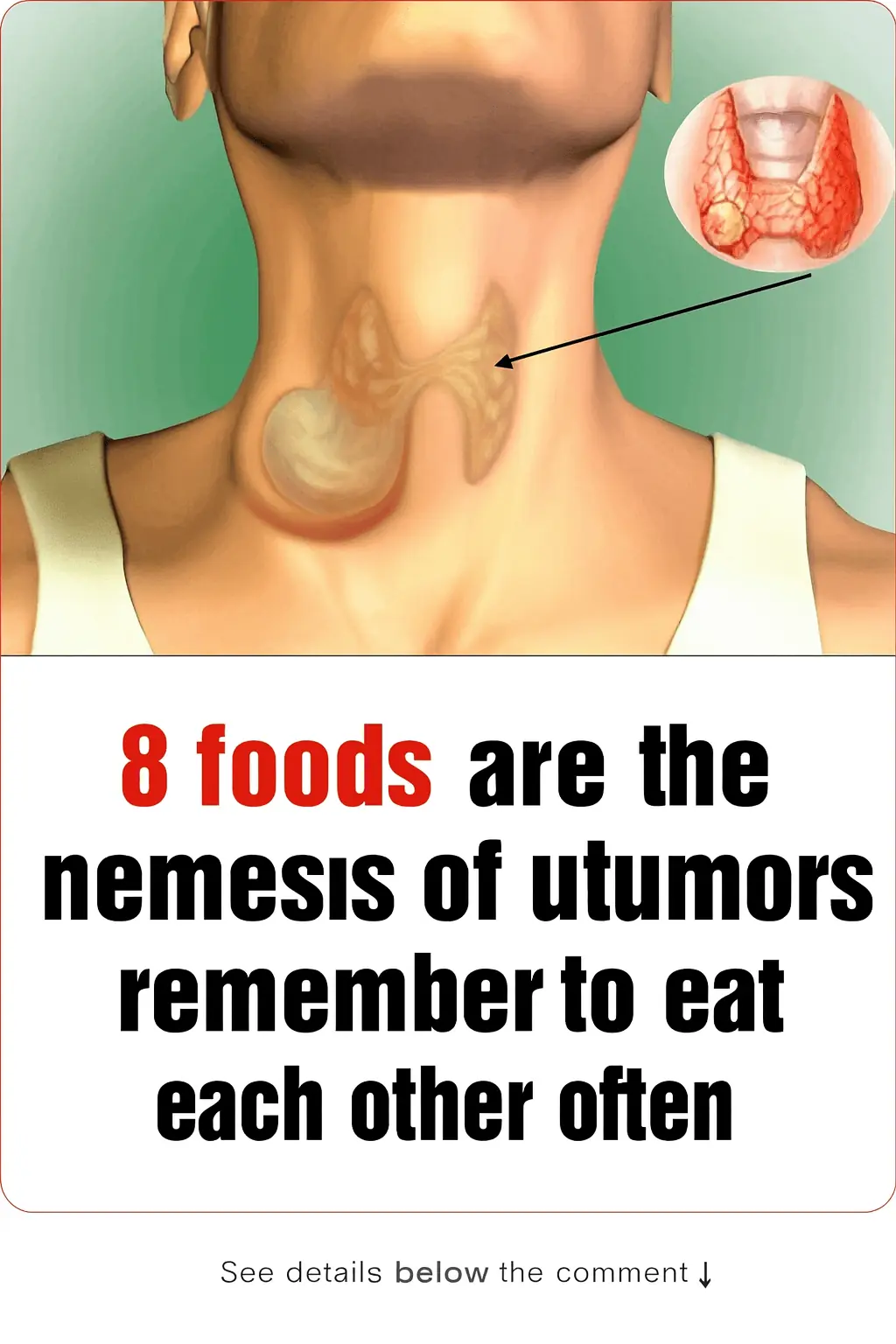
8 Foods That Fight Tumors — Eat Them Regularly

Does Eating Bananas Before Bed Have Any Benefits?

The Tongue as a Health Indicator: Meaning of a Whitish Color

Benefits of Boiled Eggs: Nutrition and Healthy Recipes
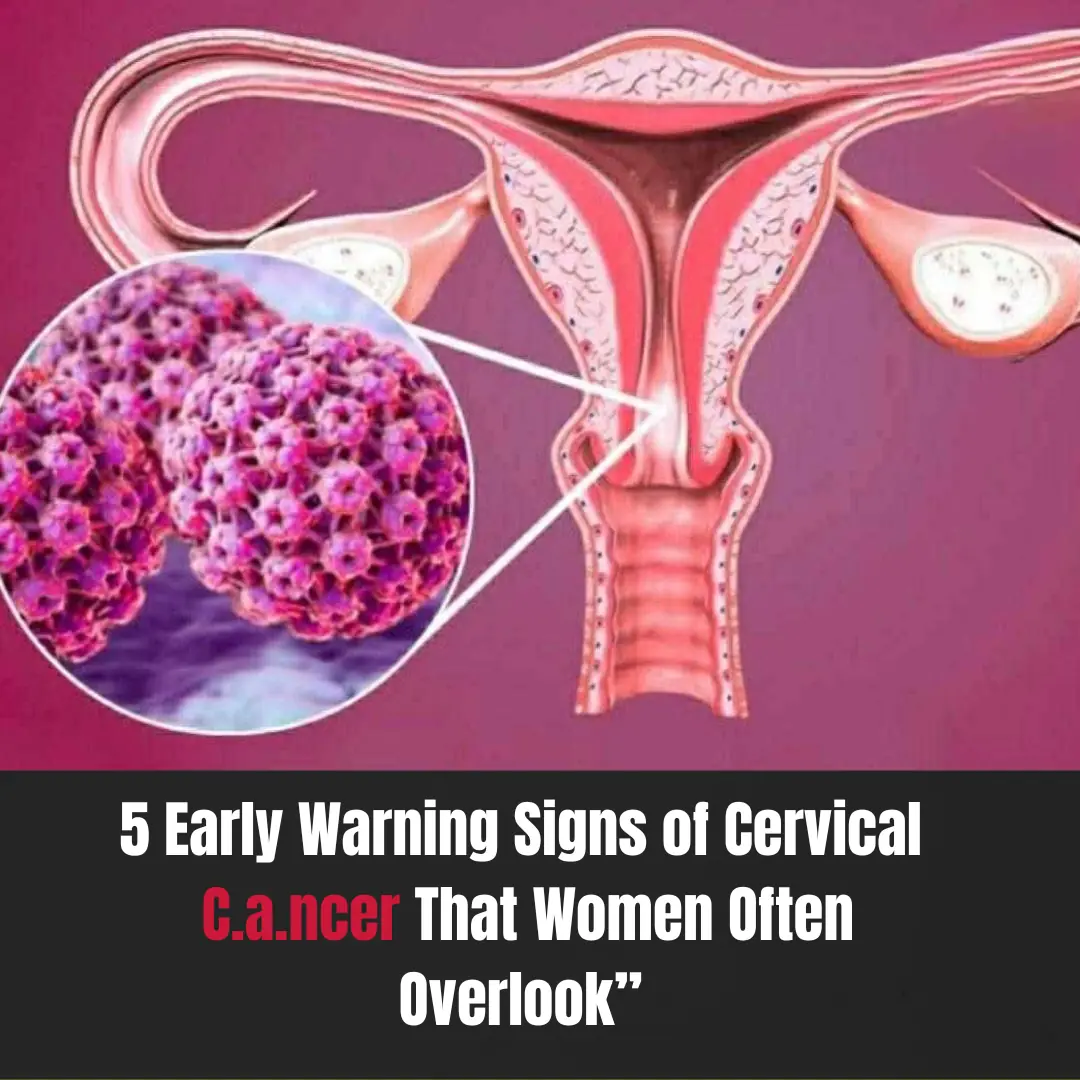
5 early warning signs of cervical cancer
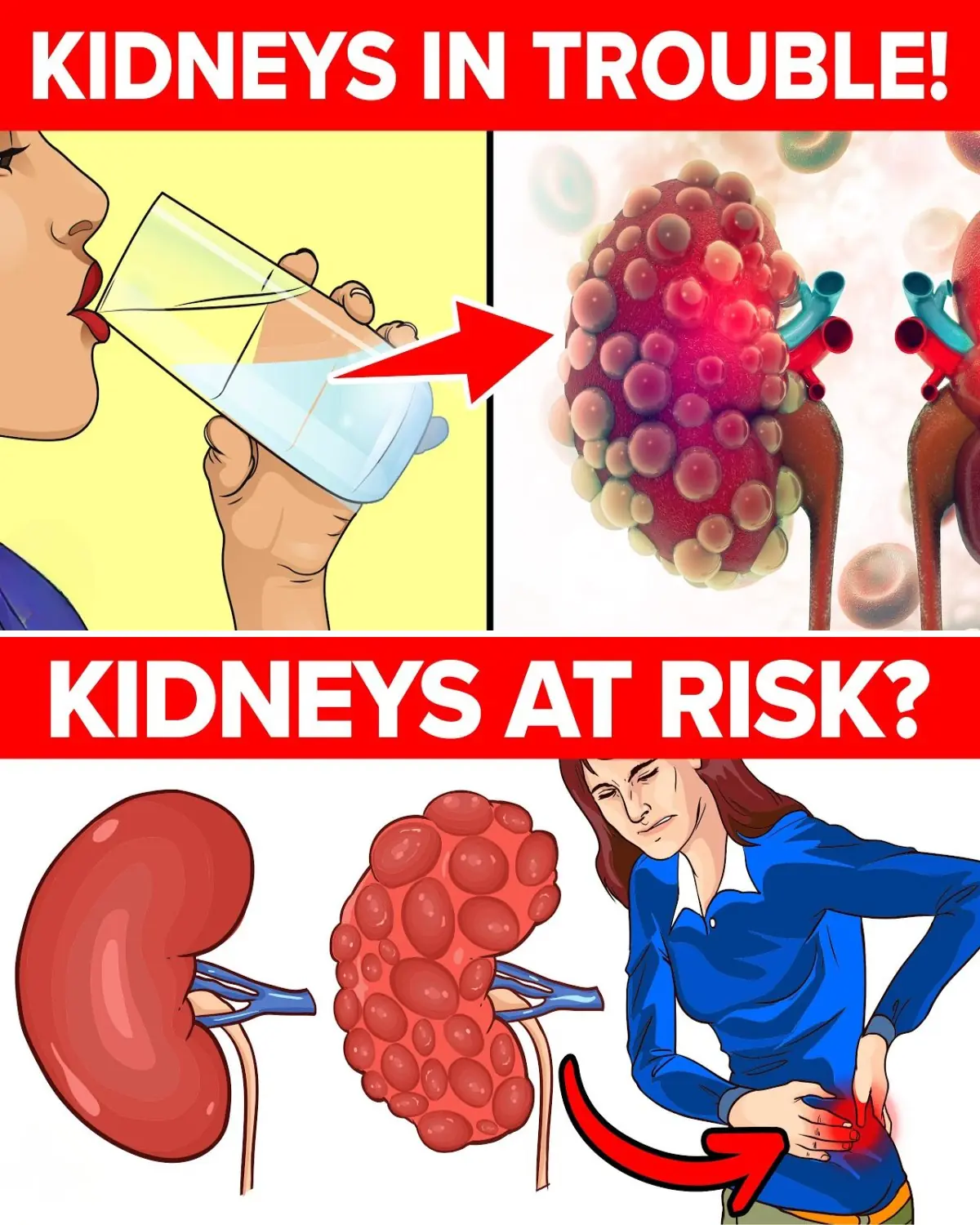
7 Innocent Mistakes That Get Your Kidneys in Big Trouble
News Post

WHAT HAPPENS WHEN WE TONGUE KISS…See more
Fitness 30/10/2025 13:23

Nature’s Secret: 4 Healing Leaves That Support Metabolism, Immunity & Circulation Naturally
Healthy 27/10/2025 19:23
Don’t Drink Coconut Water Before You Know These 11 Secrets!
Healthy 27/10/2025 19:21
Pumpkin Seed Milk — The Natural Parasite Cleanser
Healthy 27/10/2025 19:19

Fast Rice Water Trick for a Brighter Smile
Healthy 26/10/2025 22:42
Morning Drink to Revive Your Kidneys Fast
Healthy 26/10/2025 22:38
The Onion Recipe That Could Transform Your Blood Sugar, Support Cleaner Arteries, and Protect Your Heart!
Healthy 26/10/2025 22:37

Top 4 Fruits That Help Your Kidneys Flush Out Toxins While You Sleep
Healthy 26/10/2025 22:35
Ginger, Clove, and Honey: The Natural Trio Your Body Will Thank You For
Healthy 26/10/2025 19:06
Heal 15 Years of Joint Pain Naturally with Turmeric and Honey Tea
Healthy 26/10/2025 19:04
This Juice Revived My Grandma’s Energy — Say Goodbye to Fatigue and Body Pain with This Natural Recipe
Healthy 26/10/2025 19:02
The Benefits of Eating 2 Boiled Eggs Every Morning: Transform Your Health!
Health News 26/10/2025 01:57
If Your Kidneys Are in Danger, Your Body Will Send You These 8 Signals — Don’t Ignore Them
Health News 26/10/2025 01:54
The Surprising Effects of Avocado on Your Heart and Brain
Health News 26/10/2025 01:44

Ways to Get Over a Man Who Didn’t Value You
Fun Fact 26/10/2025 01:36

I’m 66 but Look 36 — My Secret? Aloe Vera & Ginger for Firm, Smooth Skin
Healthy 25/10/2025 19:44
How to Make Okra Water to Treat 17 Health Problems Naturally
Healthy 25/10/2025 19:42

Banana and Egg Mask to Look Younger Even in Your 80s
Healthy 25/10/2025 19:29
Scent Leaf Secrets Unveiled: 10 Surprising Health Benefits of This Miracle Herb
Healthy 25/10/2025 19:24

From White Hair to Black Hair Naturally in Just 5 Minutes — Fast Hair Growth Remedy
Healthy 25/10/2025 19:22