
Health News 2025-03-19 17:59:13
New Nanosensor Test Detects Pancreatic Cancer in Early Stages with High Accuracy
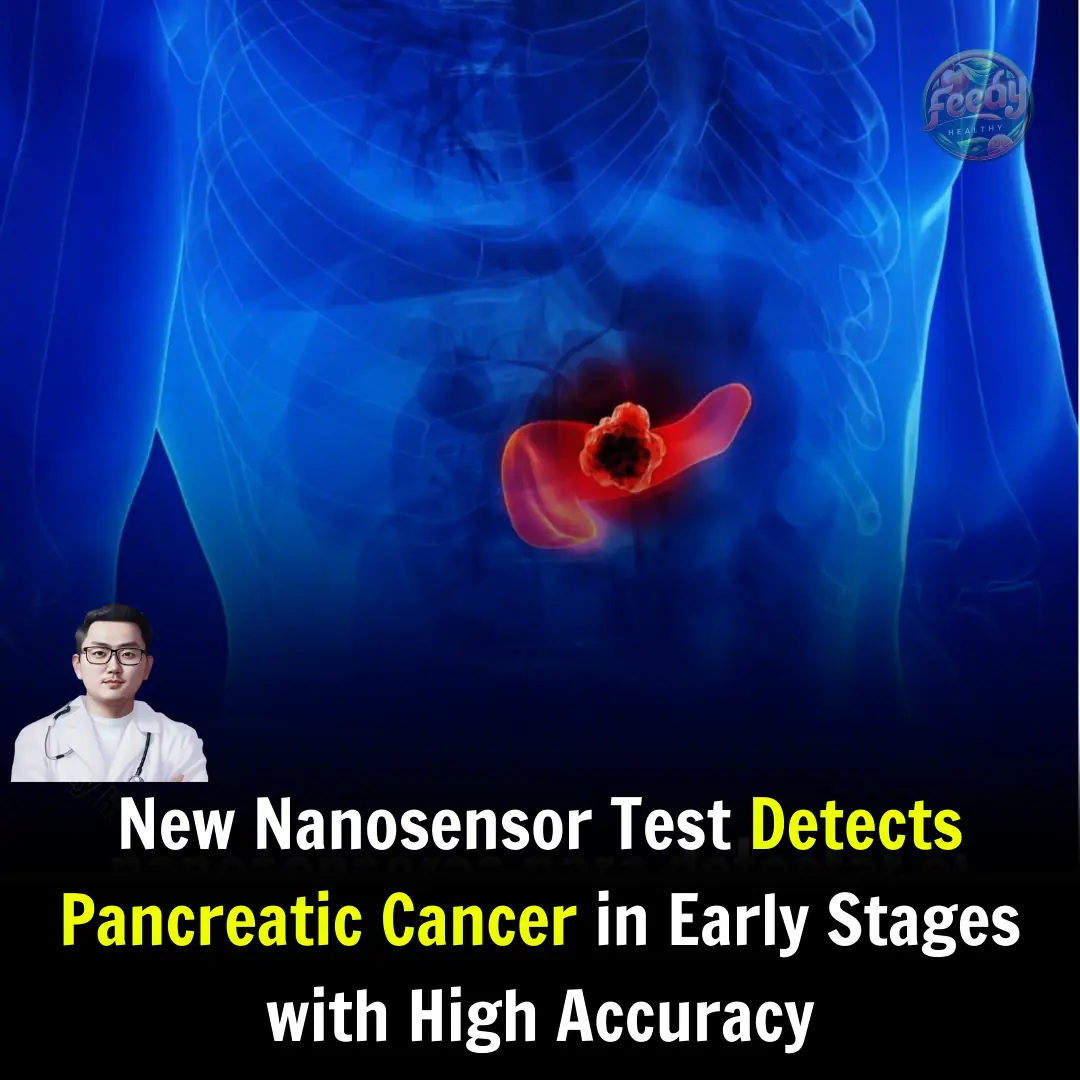
Pancreatic cancer is one of the deadliest diseases, mainly because it is often diagnosed in its advanced stages when treatment options are limited. However, a team of scientists has developed an innovative method called PAC-MANN-1, a rapid and non-invasive test that detects pancreatic cancer with high precision. This new technology is expected to improve early diagnosis rates, thereby increasing treatment effectiveness and survival chances.
Why is Early Detection of Pancreatic Cancer Important?
Pancreatic ductal adenocarcinoma (PDAC) is the most common and lethal type of pancreatic cancer. It often presents no symptoms until the disease has progressed, making early detection extremely difficult. Currently, doctors use the CA 19-9 biomarker to detect PDAC, but this marker is not entirely reliable in the early stages, as it can produce false negatives or be confused with other conditions.
To overcome these limitations, researchers developed PAC-MANN-1, a test that detects proteases, a type of protein whose activity increases in the blood of individuals with pancreatic cancer. This novel method allows for a much more accurate identification of the disease compared to traditional detection systems.
How Does PAC-MANN-1 Work?
The PAC-MANN-1 test utilizes a combination of magnetic nanosensors and a fluorescent peptide that is sensitive to proteases—key proteins involved in cancer progression.
When a blood sample interacts with these nanosensors, a signal is generated indicating whether or not pancreatic cancer is present.
Key Advantages of PAC-MANN-1:
✔ Non-invasive: Requires only a small blood sample, eliminating the need for complex procedures.
✔ Fast: Provides results in a short time, allowing for quicker action.
✔ Highly accurate: Differentiates pancreatic cancer from other pancreatic diseases, reducing misdiagnoses.
✔ Monitors treatment effectiveness: Can be used to evaluate a patient’s response to therapy and surgery success.
Promising Results from Clinical Studies
Scientists tested PAC-MANN-1 on multiple patient groups, yielding highly encouraging results:
✅ It detected pancreatic cancer at all stages with 73% sensitivity and 98% specificity.
✅ It 100% accurately distinguished between pancreatic cancer patients and those with other pancreatic diseases.
✅ When combined with the CA 19-9 biomarker, detection of Stage I pancreatic cancer improved to 85% sensitivity and 96% specificity.
✅ In post-surgery patients, protease activity in the blood decreased by 16%, demonstrating its usefulness in tracking treatment success.
These results indicate that PAC-MANN-1 is significantly more precise than current detection methods and could become a key tool in improving pancreatic cancer diagnosis.
Comparison with the CA 19-9 Biomarker
The CA 19-9 biomarker is currently the most widely used test for pancreatic cancer detection. However, it has significant limitations:
❌ It is not always present in the early stages, reducing its effectiveness for early diagnosis.
❌ It can produce false positives, as elevated levels may also indicate non-cancerous pancreatic conditions.
❌ It struggles to distinguish between advanced pancreatic cancer and other medical conditions.
In contrast, PAC-MANN-1 overcomes these challenges by directly detecting the protease activity associated with cancer, leading to a more accurate and reliable diagnosis.
What’s Next for PAC-MANN-1?
Despite the promising results, researchers still need to conduct larger clinical trials to validate the test’s effectiveness across broader populations. If ongoing studies continue to support its accuracy, PAC-MANN-1 could soon be integrated into healthcare systems as a standard tool for early pancreatic cancer detection.
Moreover, this nanosensor-based technology has the potential to be adapted for detecting other types of cancer where proteases play a crucial role. This advancement could pave the way for a new era of non-invasive, highly accurate, and personalized diagnostics.
Conclusion
The development of PAC-MANN-1 represents a major breakthrough in the fight against pancreatic cancer. Its ability to detect the disease early and differentiate it from other conditions makes it a significant step forward in medical diagnostics.
If successfully implemented in hospitals and clinics worldwide, this test could save thousands of lives by enabling early diagnosis and timely treatment.
While research is still ongoing, the results so far are highly promising. Innovations like PAC-MANN-1 are bringing us closer to better, faster, and more effective cancer detection. With further validation and approval, this test could soon revolutionize pancreatic cancer diagnosis and treatment, offering new hope for patients worldwide.
News in the same category

If Your Kidneys Are in Danger, Your Body Will Send You These 8 Signals — Don’t Ignore Them

The Surprising Effects of Avocado on Your Heart and Brain

Natural Remedy for Cataracts and Eye Inflammation: Restore Your Vision Naturally

Unlock the Golden Magic of Corn Silk Tea
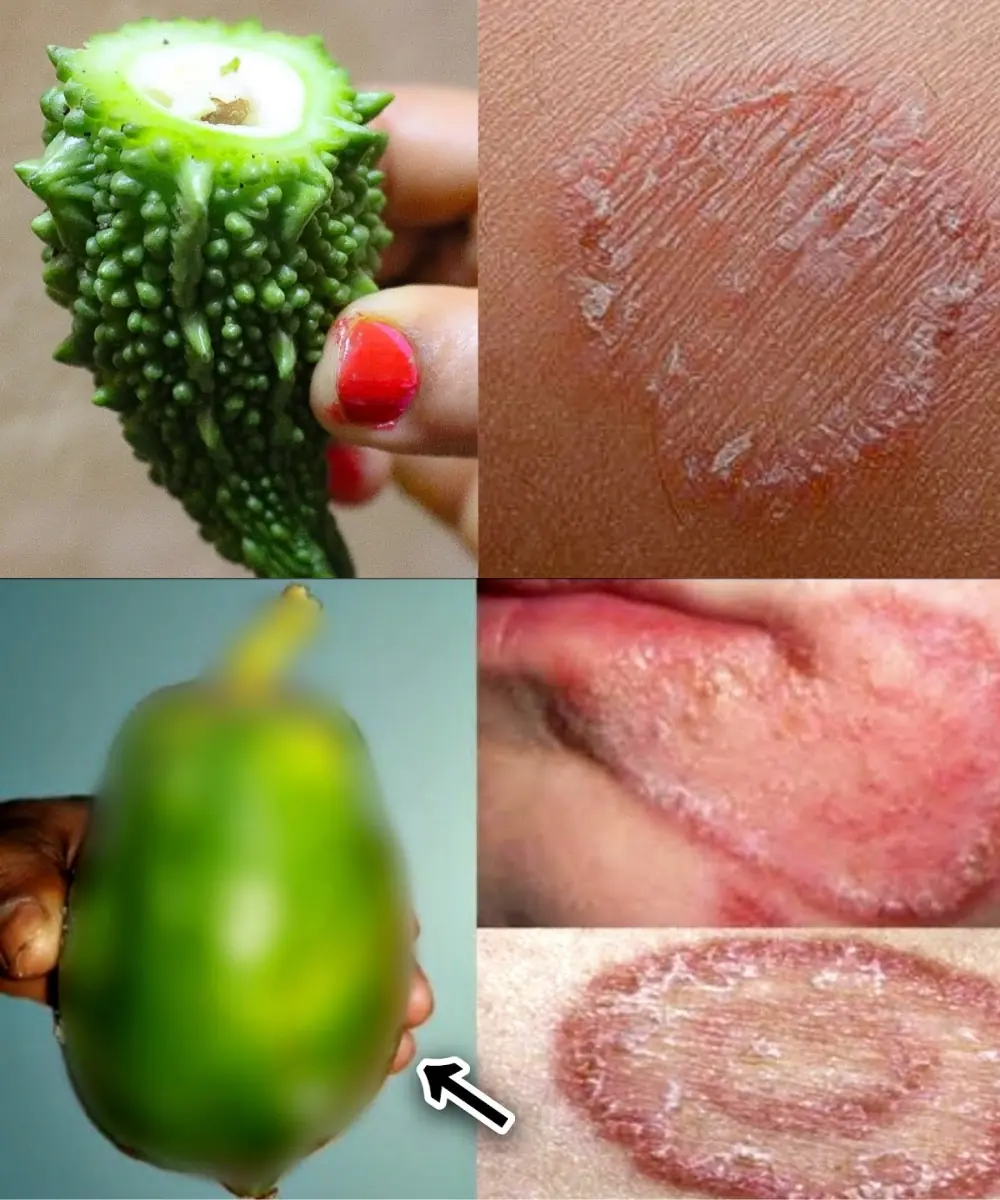
9 Powerful Home Remedies to Get Rid of Fungal Infection (Daad, Khaj, Khujli) Fast

7 Shocking Health Benefits Of Eating Sweet Potatoes Every Day — According To Science

About 15 Minutes Before a Stroke, the Body Often Sends 4 Clear Warning Signs — Call Your Loved Ones Immediately

Hidden Dangers in Your Mouth: Early Signs of Oral Cancer

The Secret Power Of The Herb That Helps You Age Gracefully

The Unexpected Benefits of Eating Chicken Feet

If You See Someone with “Blue Veins,” Tell Them This — It Could Save Their Life

The Secret Power of Two Eggs a Day: Could This Simple Habit Transform Your Health? Buy vitamins and supplements

Man Passed Away After Eating Eggs — Stop Eating Eggs This Way Immediately

8 Foods That Fight Tumors — Eat Them Regularly

Does Eating Bananas Before Bed Have Any Benefits?

The Tongue as a Health Indicator: Meaning of a Whitish Color

Benefits of Boiled Eggs: Nutrition and Healthy Recipes
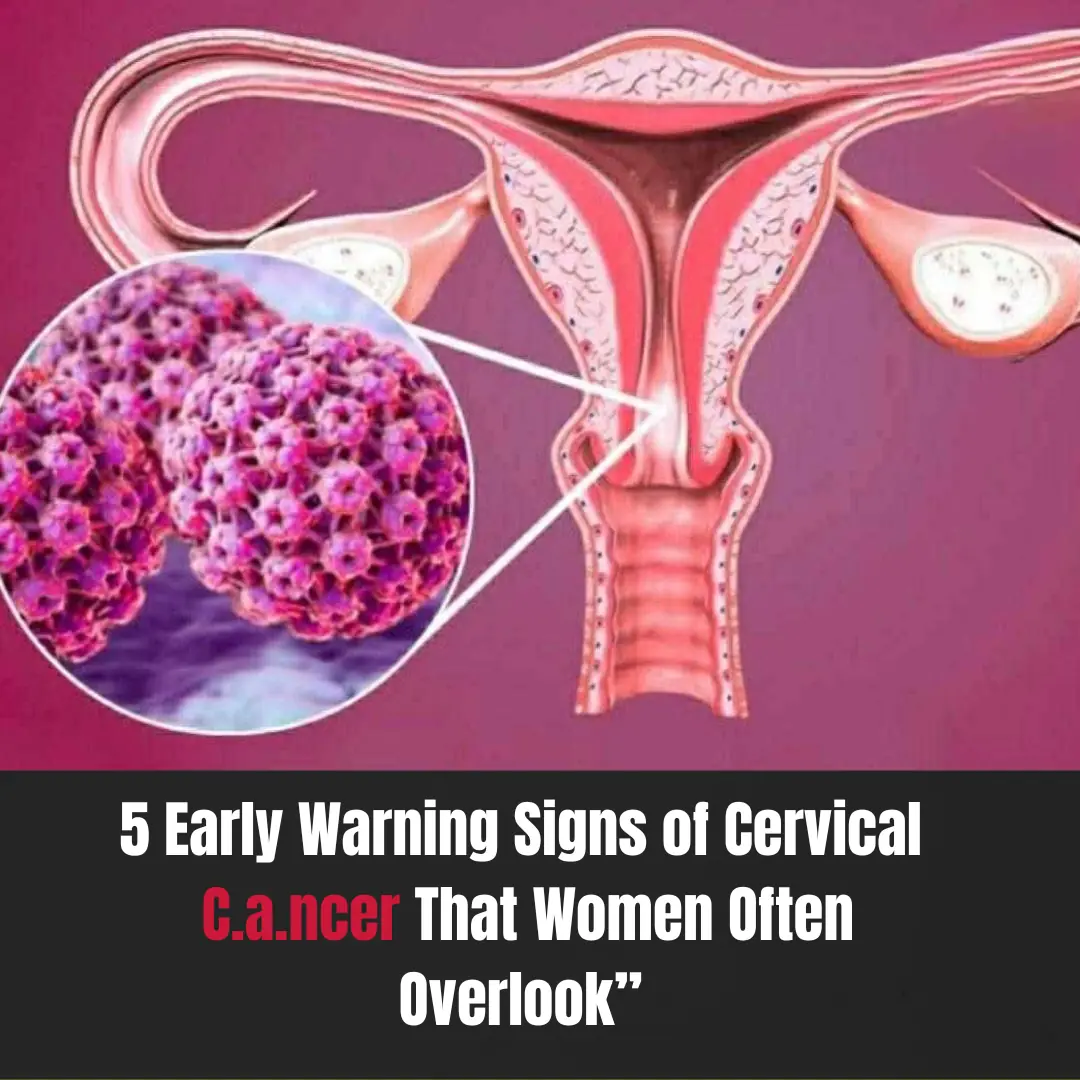
5 early warning signs of cervical cancer
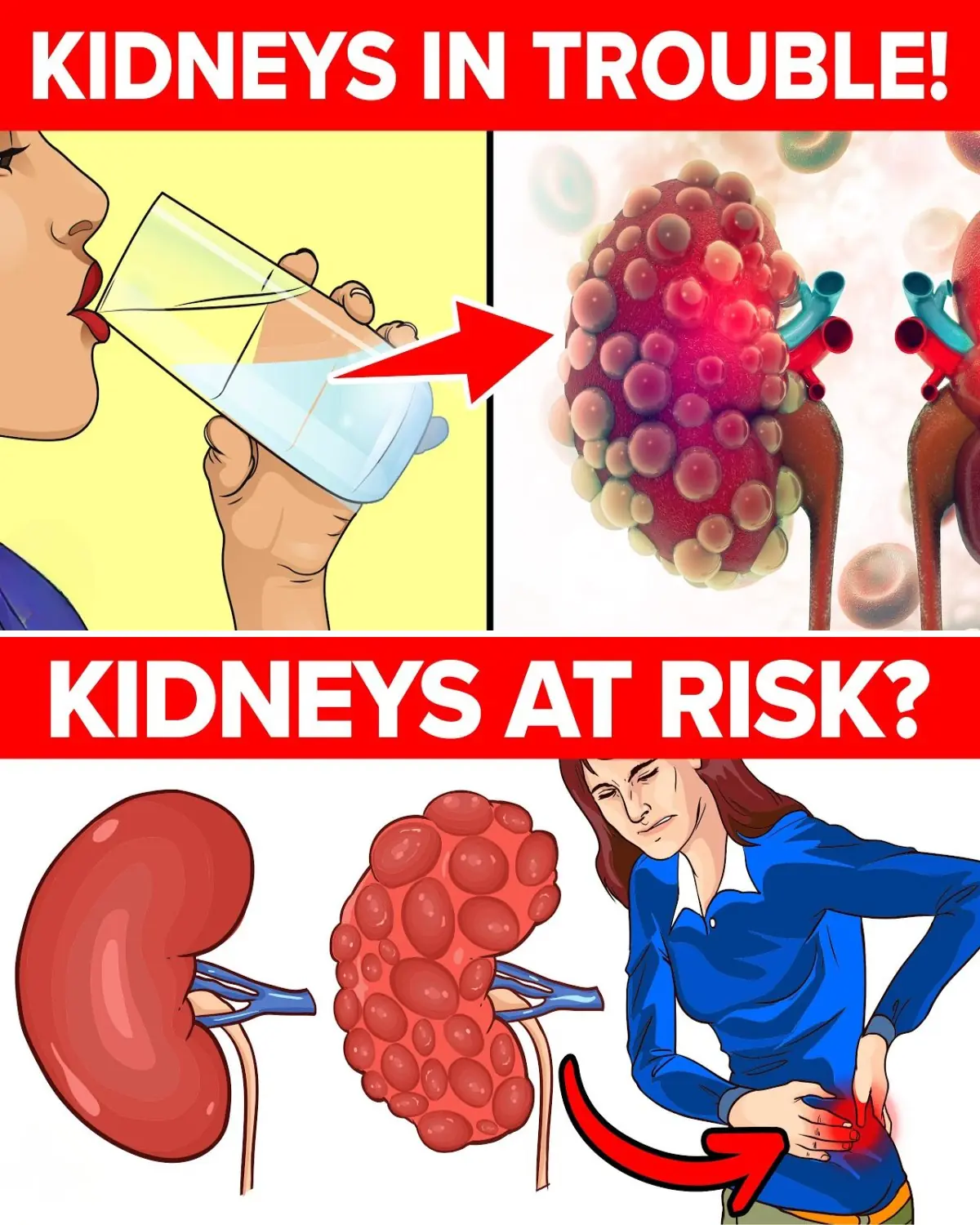
7 Innocent Mistakes That Get Your Kidneys in Big Trouble
News Post

WHAT HAPPENS WHEN WE TONGUE KISS…See more
Fitness 30/10/2025 13:23

Nature’s Secret: 4 Healing Leaves That Support Metabolism, Immunity & Circulation Naturally
Healthy 27/10/2025 19:23

Don’t Drink Coconut Water Before You Know These 11 Secrets!
Healthy 27/10/2025 19:21
Pumpkin Seed Milk — The Natural Parasite Cleanser
Healthy 27/10/2025 19:19
Fast Rice Water Trick for a Brighter Smile
Healthy 26/10/2025 22:42
Morning Drink to Revive Your Kidneys Fast
Healthy 26/10/2025 22:38
The Onion Recipe That Could Transform Your Blood Sugar, Support Cleaner Arteries, and Protect Your Heart!
Healthy 26/10/2025 22:37

Top 4 Fruits That Help Your Kidneys Flush Out Toxins While You Sleep
Healthy 26/10/2025 22:35

Ginger, Clove, and Honey: The Natural Trio Your Body Will Thank You For
Healthy 26/10/2025 19:06

Heal 15 Years of Joint Pain Naturally with Turmeric and Honey Tea
Healthy 26/10/2025 19:04

This Juice Revived My Grandma’s Energy — Say Goodbye to Fatigue and Body Pain with This Natural Recipe
Healthy 26/10/2025 19:02
The Benefits of Eating 2 Boiled Eggs Every Morning: Transform Your Health!
Health News 26/10/2025 01:57
If Your Kidneys Are in Danger, Your Body Will Send You These 8 Signals — Don’t Ignore Them
Health News 26/10/2025 01:54
The Surprising Effects of Avocado on Your Heart and Brain
Health News 26/10/2025 01:44

Ways to Get Over a Man Who Didn’t Value You
Fun Fact 26/10/2025 01:36

I’m 66 but Look 36 — My Secret? Aloe Vera & Ginger for Firm, Smooth Skin
Healthy 25/10/2025 19:44

How to Make Okra Water to Treat 17 Health Problems Naturally
Healthy 25/10/2025 19:42

Banana and Egg Mask to Look Younger Even in Your 80s
Healthy 25/10/2025 19:29

Scent Leaf Secrets Unveiled: 10 Surprising Health Benefits of This Miracle Herb
Healthy 25/10/2025 19:24

From White Hair to Black Hair Naturally in Just 5 Minutes — Fast Hair Growth Remedy
Healthy 25/10/2025 19:22