
Health News 2025-04-03 12:41:12
6 Types of Body Fat and How to Effectively Get Rid of Them
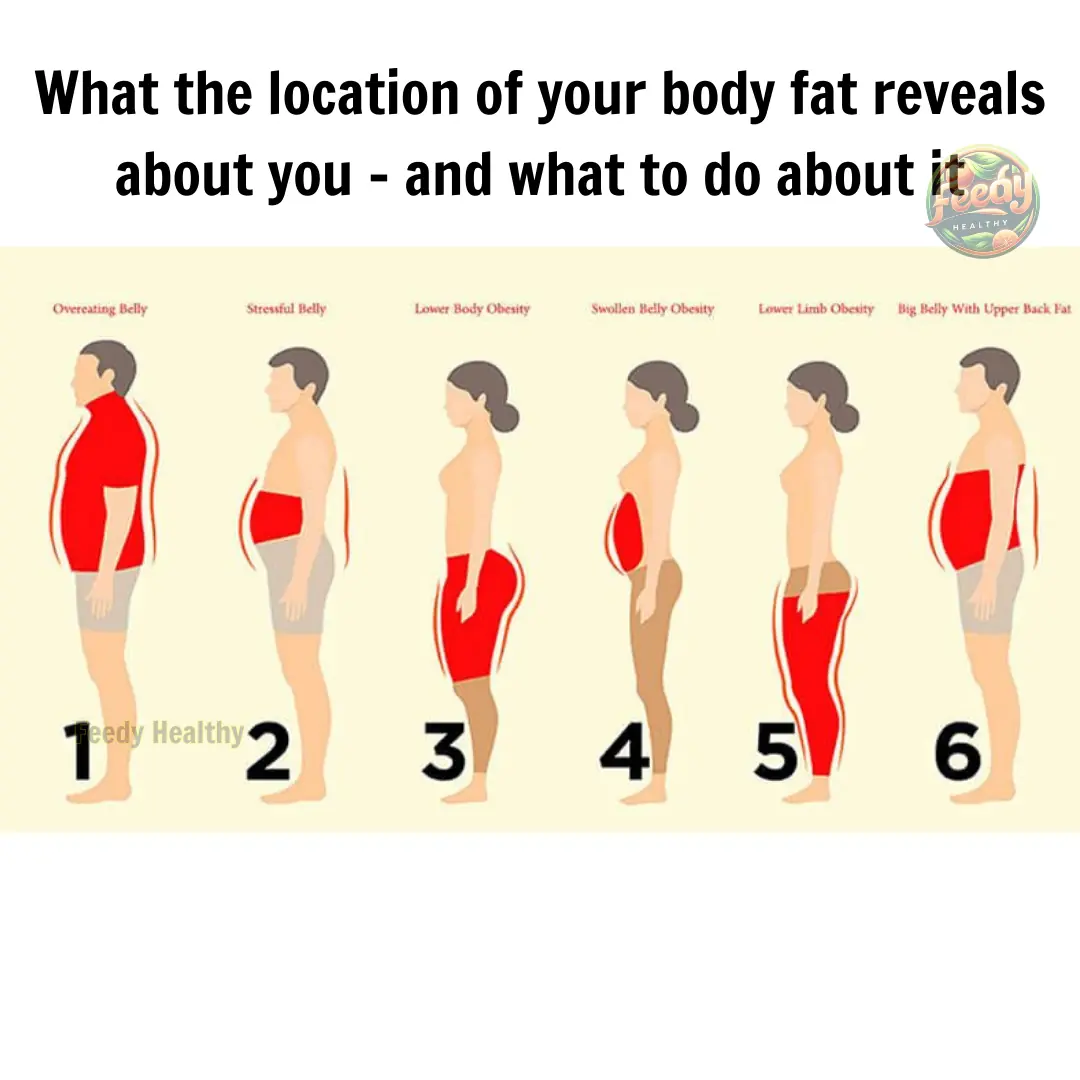
Where your body stores fat isn't just about appearance—it can reveal a lot about your lifestyle, hormone balance, stress levels, and even digestive health. Each fat distribution pattern has a different root cause, which means the way to eliminate that fat should also be targeted and tailored.
Let’s take a closer look at 6 common fat accumulation types, what they say about your body, and what you can do to reduce them effectively.
1. Overeating Belly
Appearance:
Fat is mainly stored in the upper and lower abdomen, giving the body a rounded look.
Cause:
-
Overeating, especially excess calories from sugar, refined carbs, and processed foods
-
Sedentary lifestyle with minimal physical activity
Solution:
-
Create a calorie deficit through portion control and a whole-food diet
-
Focus on cardio exercises such as brisk walking, jogging, or cycling
-
Avoid eating late at night and reduce sugar intake
2. Stress Belly
Appearance:
A protruding belly despite an otherwise slim figure. The fat is concentrated around the waistline.
Cause:
-
Chronic stress increases cortisol levels, which encourages fat storage around the midsection
-
Sleep deprivation and irregular eating habits
-
Frequent emotional eating or snacking under stress
Solution:
-
Incorporate stress-reducing activities like meditation, yoga, or deep breathing exercises
-
Maintain consistent sleep patterns (7–8 hours per night)
-
Eat regular, balanced meals and avoid caffeine overload
3. Lower Body Obesity (Pear-Shaped Fat)
Appearance:
Fat is primarily stored in the hips, thighs, and buttocks.
Cause:
-
Hormonal imbalances, especially excess estrogen
-
Lack of movement or specific lower-body exercises
-
Common in women, especially after pregnancy
Solution:
-
Perform lower body strength training (squats, lunges, glute bridges)
-
Eat a hormone-supportive diet: reduce red meat and dairy, increase fiber and cruciferous vegetables
-
Consider HIIT workouts to burn fat more efficiently
4. Swollen Belly (Digestive-Related Fat)
Appearance:
Fat and bloating are focused in the lower abdomen, often with a feeling of tightness or discomfort.
Cause:
-
Digestive issues, poor gut health, and irregular bowel movements
-
Low water and fiber intake
-
Eating too fast or consuming processed foods
Solution:
-
Increase fiber from vegetables, oats, chia seeds
-
Stay hydrated throughout the day (at least 2–2.5L)
-
Eat slowly, chew thoroughly, and avoid distractions while eating
5. Lower Limb Obesity (Leg and Thigh Fat)
Appearance:
Fat accumulation in the legs, thighs, and calves. May be accompanied by swelling or heaviness in the lower body.
Cause:
-
Poor circulation, sitting or standing for long periods
-
Hormonal imbalance or hereditary predisposition
-
Water retention or lymphatic issues
Solution:
-
Walk more often, take the stairs, or do low-impact exercises like swimming
-
Use compression stockings or massage for lymphatic drainage
-
Limit salt intake to reduce water retention
6. Big Belly with Upper Back Fat
Appearance:
Fat accumulates in the belly and upper back, often noticeable under bras or shirts.
Cause:
-
Low physical activity and a highly processed diet
-
Hormonal shifts or metabolic slowdown
-
Inflammation caused by refined carbs and sugars
Solution:
-
Combine cardio (like rowing or walking) with back-strengthening workouts (rows, push-ups, resistance bands)
-
Clean up your diet: cut out sugary drinks, junk food, and refined flours
-
Regularly monitor blood sugar, cholesterol, and inflammatory markers
Conclusion: Know Your Body, Target the Right Solution
Fat doesn’t accumulate randomly—it’s your body’s way of signaling something is out of balance. Whether it’s stress, hormones, diet, or lifestyle, identifying where and why your body stores fat can help you apply the right strategies to reduce it effectively.
✨ There’s no one-size-fits-all when it comes to fat loss. The key is to work smarter, not harder—by choosing workouts, meals, and habits that directly address your body’s needs.
News in the same category

If Your Kidneys Are in Danger, Your Body Will Send You These 8 Signals — Don’t Ignore Them

The Surprising Effects of Avocado on Your Heart and Brain
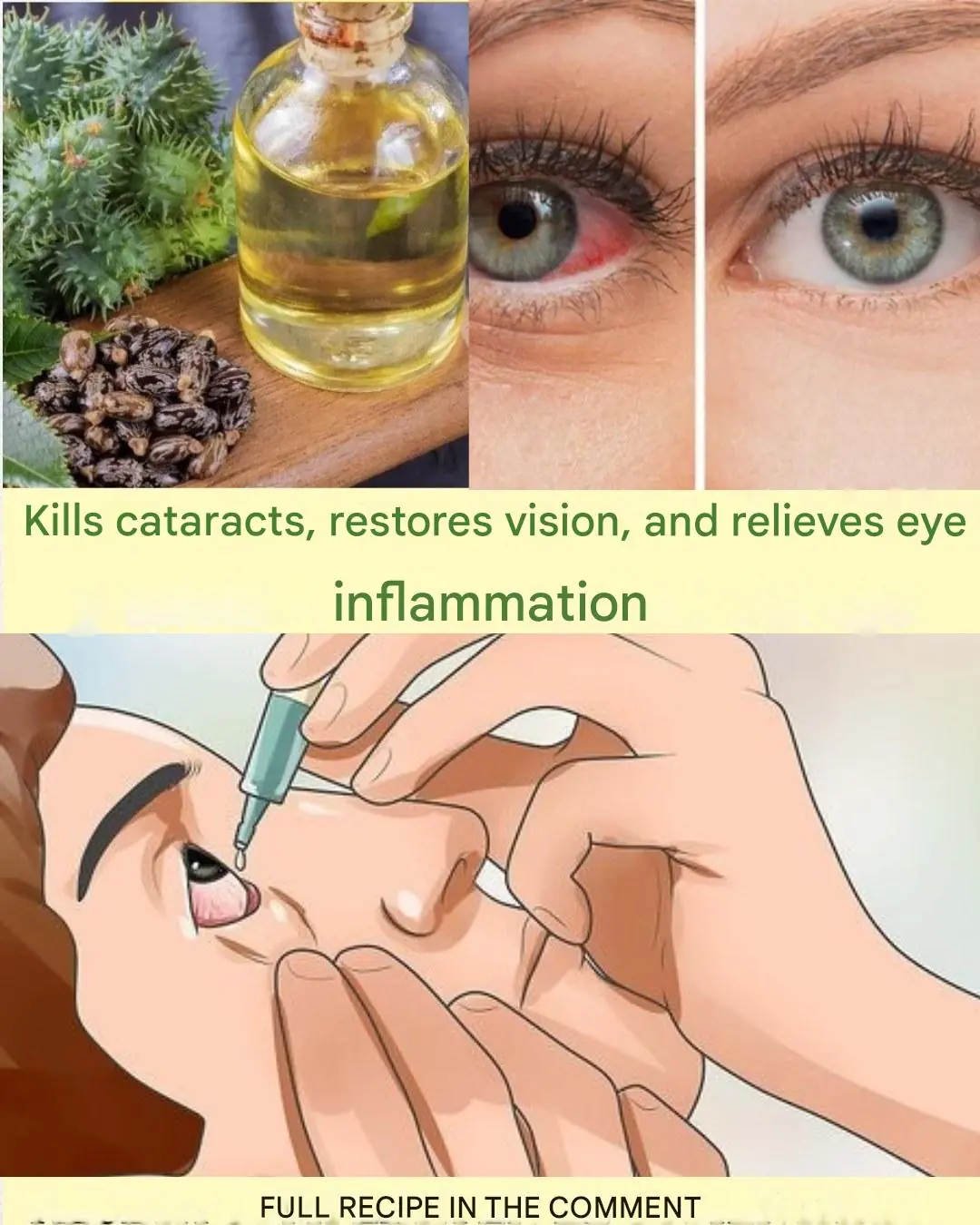
Natural Remedy for Cataracts and Eye Inflammation: Restore Your Vision Naturally
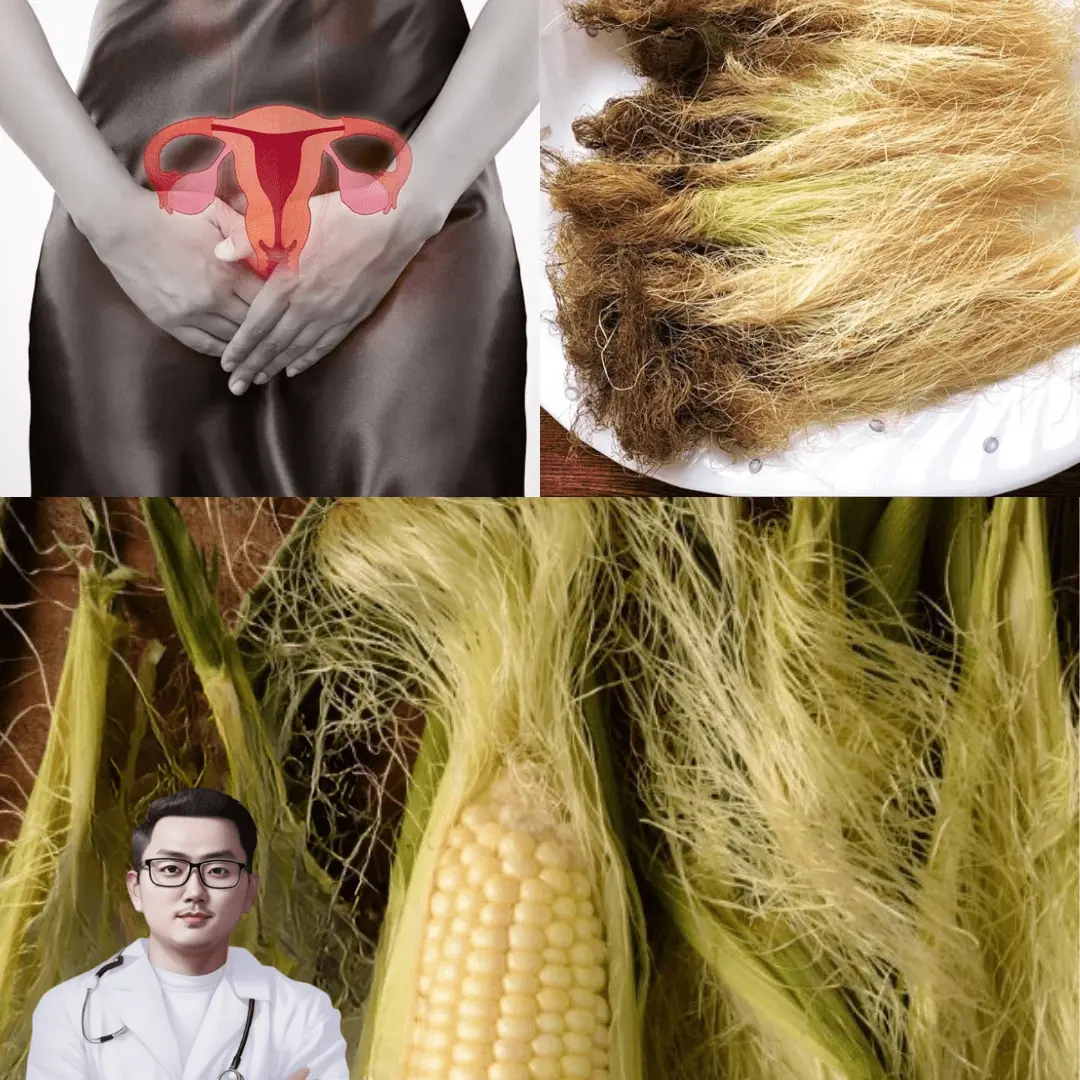
Unlock the Golden Magic of Corn Silk Tea
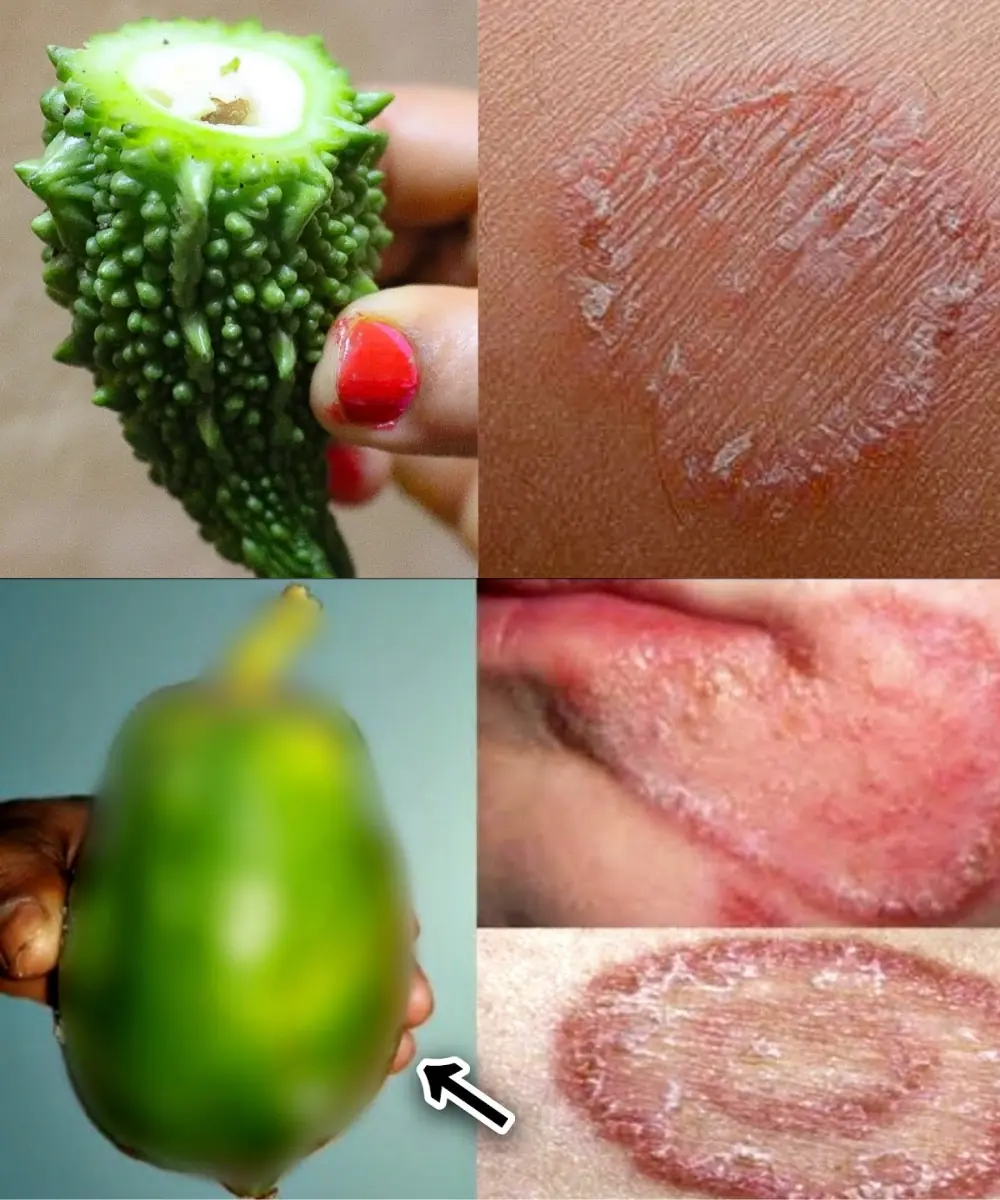
9 Powerful Home Remedies to Get Rid of Fungal Infection (Daad, Khaj, Khujli) Fast
7 Shocking Health Benefits Of Eating Sweet Potatoes Every Day — According To Science

About 15 Minutes Before a Stroke, the Body Often Sends 4 Clear Warning Signs — Call Your Loved Ones Immediately
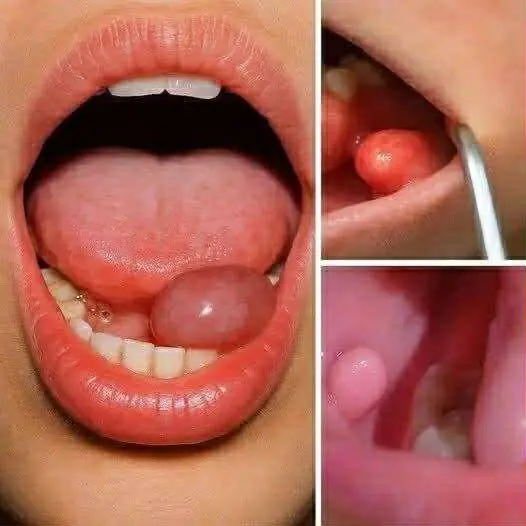
Hidden Dangers in Your Mouth: Early Signs of Oral Cancer
The Secret Power Of The Herb That Helps You Age Gracefully

The Unexpected Benefits of Eating Chicken Feet
If You See Someone with “Blue Veins,” Tell Them This — It Could Save Their Life
The Secret Power of Two Eggs a Day: Could This Simple Habit Transform Your Health? Buy vitamins and supplements

Man Passed Away After Eating Eggs — Stop Eating Eggs This Way Immediately
8 Foods That Fight Tumors — Eat Them Regularly
Does Eating Bananas Before Bed Have Any Benefits?

The Tongue as a Health Indicator: Meaning of a Whitish Color
Benefits of Boiled Eggs: Nutrition and Healthy Recipes
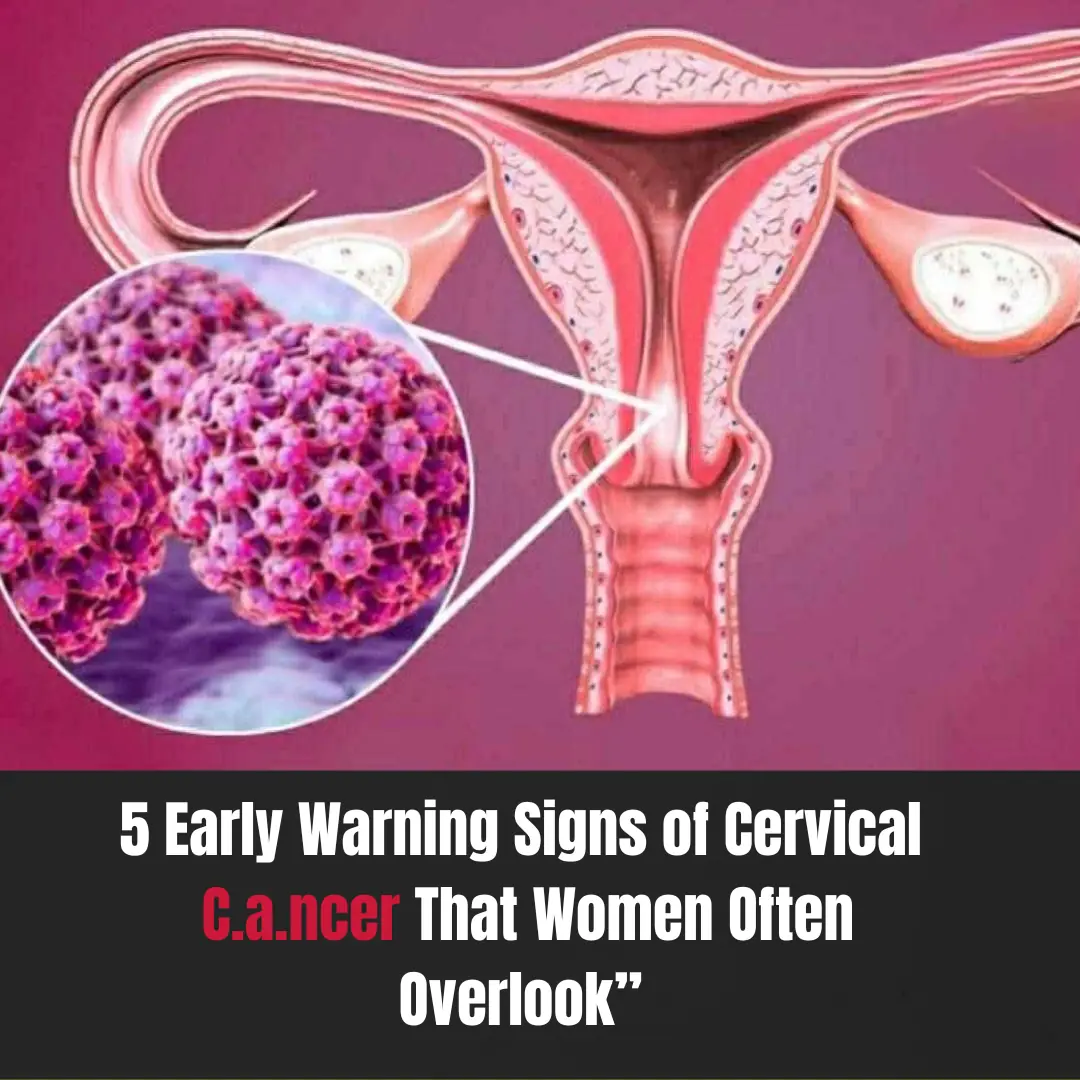
5 early warning signs of cervical cancer
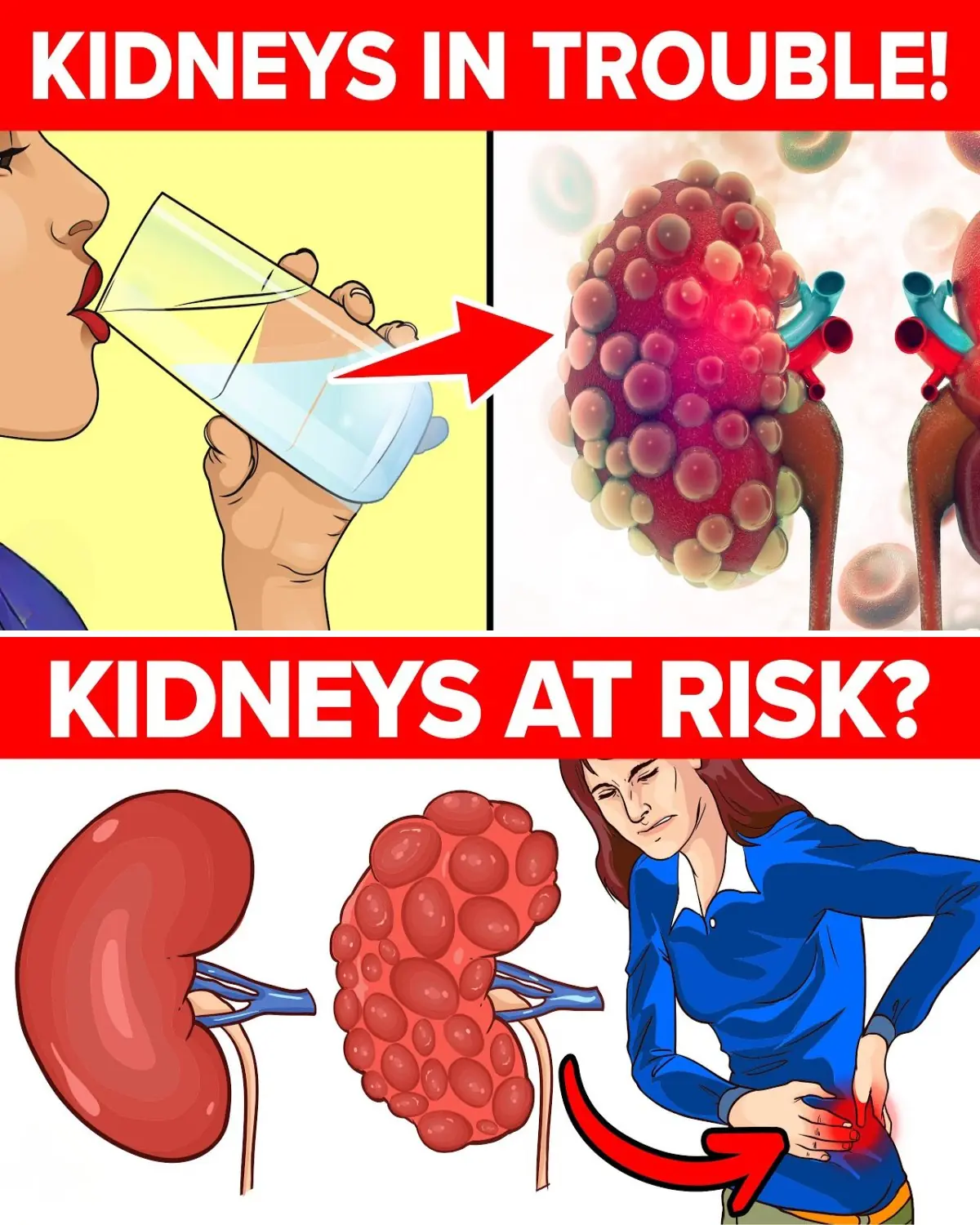
7 Innocent Mistakes That Get Your Kidneys in Big Trouble
News Post

WHAT HAPPENS WHEN WE TONGUE KISS…See more
Fitness 30/10/2025 13:23
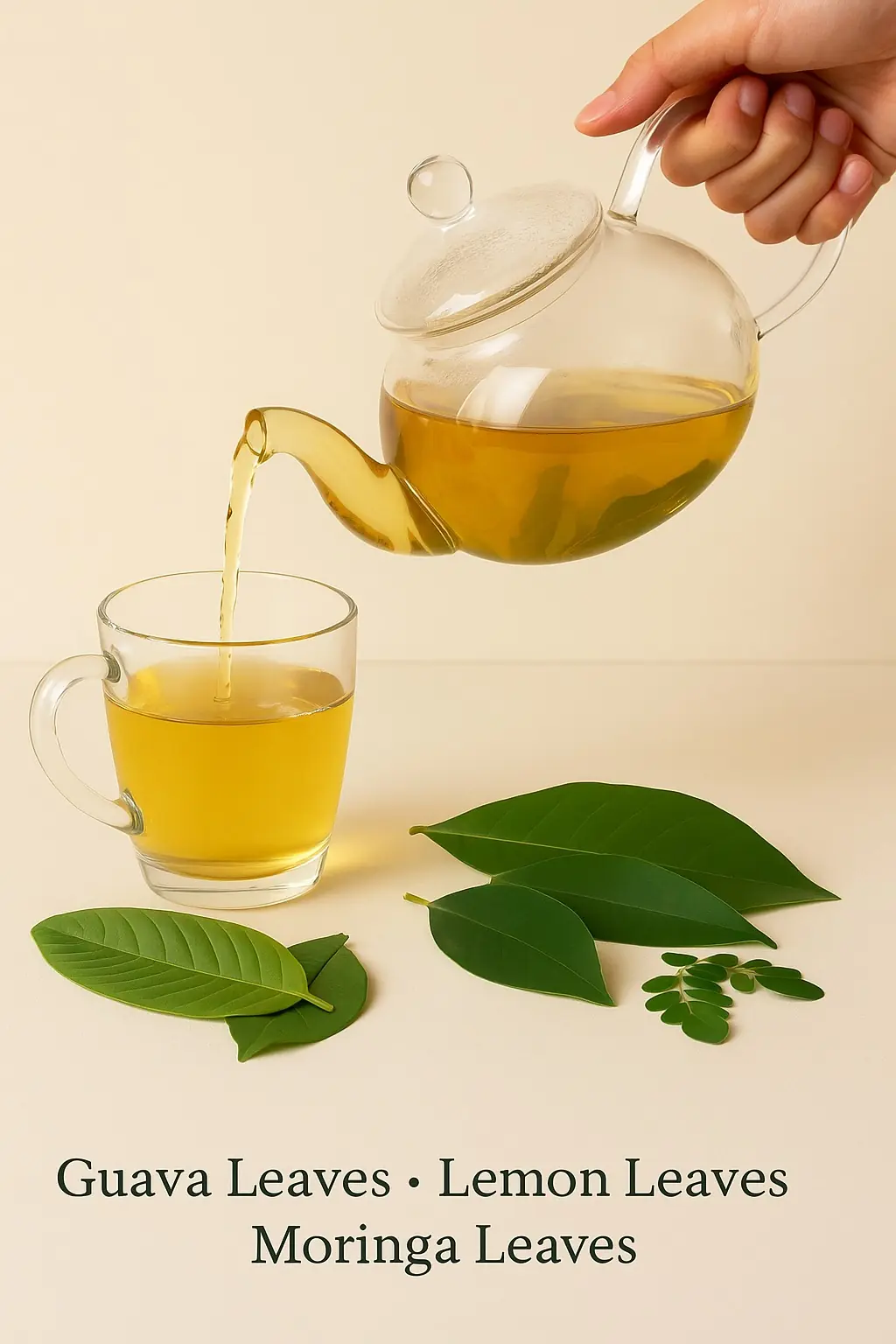
Nature’s Secret: 4 Healing Leaves That Support Metabolism, Immunity & Circulation Naturally
Healthy 27/10/2025 19:23
Don’t Drink Coconut Water Before You Know These 11 Secrets!
Healthy 27/10/2025 19:21
Pumpkin Seed Milk — The Natural Parasite Cleanser
Healthy 27/10/2025 19:19
Fast Rice Water Trick for a Brighter Smile
Healthy 26/10/2025 22:42
Morning Drink to Revive Your Kidneys Fast
Healthy 26/10/2025 22:38
The Onion Recipe That Could Transform Your Blood Sugar, Support Cleaner Arteries, and Protect Your Heart!
Healthy 26/10/2025 22:37
Top 4 Fruits That Help Your Kidneys Flush Out Toxins While You Sleep
Healthy 26/10/2025 22:35
Ginger, Clove, and Honey: The Natural Trio Your Body Will Thank You For
Healthy 26/10/2025 19:06
Heal 15 Years of Joint Pain Naturally with Turmeric and Honey Tea
Healthy 26/10/2025 19:04
This Juice Revived My Grandma’s Energy — Say Goodbye to Fatigue and Body Pain with This Natural Recipe
Healthy 26/10/2025 19:02
The Benefits of Eating 2 Boiled Eggs Every Morning: Transform Your Health!
Health News 26/10/2025 01:57
If Your Kidneys Are in Danger, Your Body Will Send You These 8 Signals — Don’t Ignore Them
Health News 26/10/2025 01:54
The Surprising Effects of Avocado on Your Heart and Brain
Health News 26/10/2025 01:44

Ways to Get Over a Man Who Didn’t Value You
Fun Fact 26/10/2025 01:36
I’m 66 but Look 36 — My Secret? Aloe Vera & Ginger for Firm, Smooth Skin
Healthy 25/10/2025 19:44
How to Make Okra Water to Treat 17 Health Problems Naturally
Healthy 25/10/2025 19:42
Banana and Egg Mask to Look Younger Even in Your 80s
Healthy 25/10/2025 19:29
Scent Leaf Secrets Unveiled: 10 Surprising Health Benefits of This Miracle Herb
Healthy 25/10/2025 19:24
From White Hair to Black Hair Naturally in Just 5 Minutes — Fast Hair Growth Remedy
Healthy 25/10/2025 19:22