
Health News 2025-04-03 22:32:09
12 Early Warning Signs of an Aneurysm You Shouldn’t Ignore
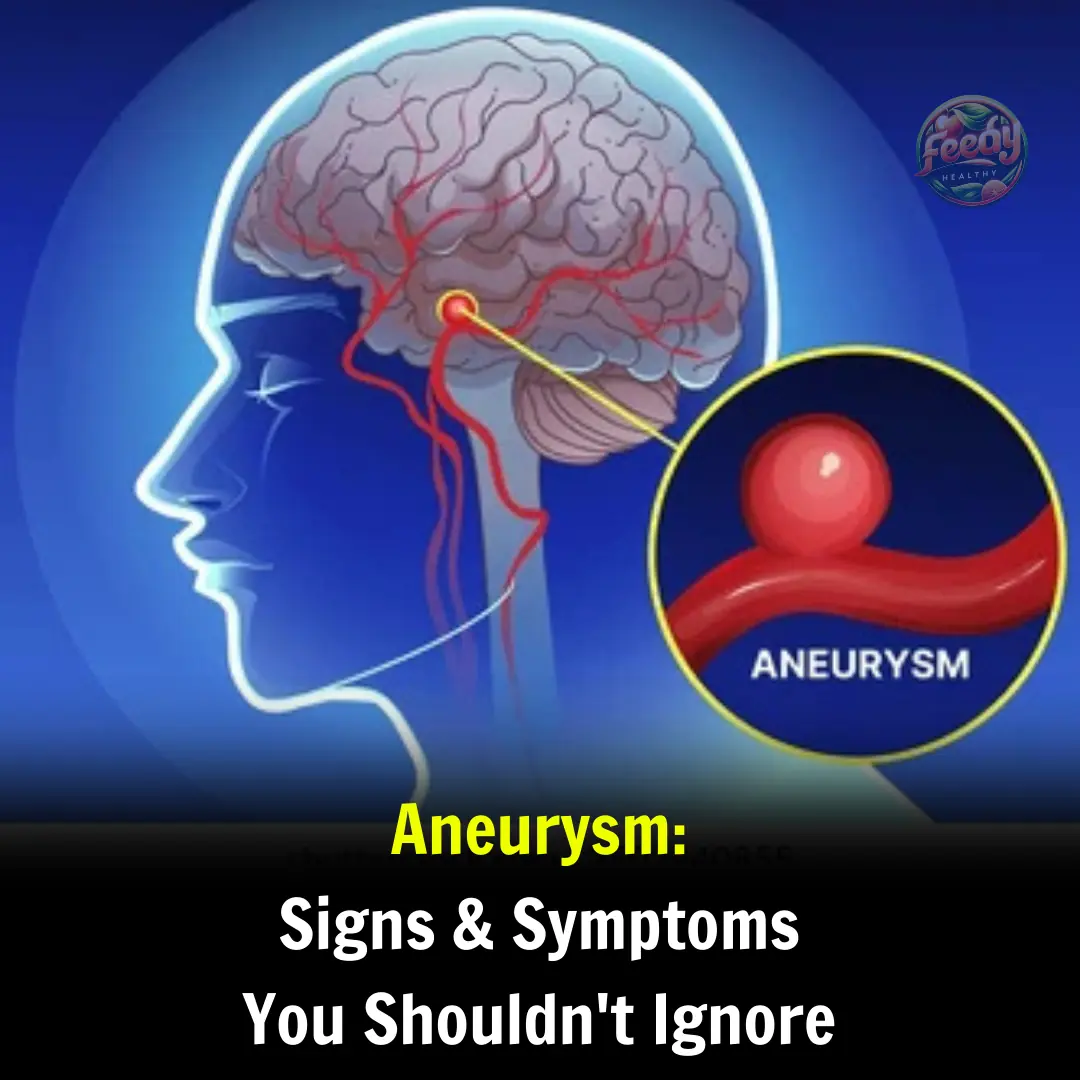
A brain aneurysm occurs when a blood vessel in the brain bulges due to a weak arterial wall. While many aneurysms remain harmless and symptom-free, a ruptured aneurysm can be life-threatening and cause a type of stroke known as a hemorrhagic stroke. Recognizing the early signs can mean the difference between recovery and permanent brain damage—or even death.
🚨 Signs of a Ruptured Brain Aneurysm
When an aneurysm bursts, it can trigger sudden, severe symptoms. Some people describe the headache as “the worst headache of my life.” If you or someone else experiences any of the following, call emergency services immediately:
-
Intense, sudden headache
-
Blurred or double vision
-
Confusion or disorientation
-
One pupil larger than the other
-
Drooping eyelid (usually one side)
-
Fainting or loss of consciousness
-
Nausea and vomiting
-
Pain behind or around one eye
-
Stiff neck
-
Sensitivity to light
-
Seizures
-
Sudden weakness or numbness
Important: Time is critical. Don’t drive yourself to the hospital—call an ambulance so medical professionals can provide immediate care en route.
🩸 What Is a “Leaking” Aneurysm?
Before a full rupture, some aneurysms leak small amounts of blood—a condition known as a sentinel bleed. This often presents as a sudden, sharp headache that may persist for days or even weeks. If you experience this type of persistent, unexplained headache, don’t ignore it. Seek medical attention immediately to prevent a rupture.
⚠️ Symptoms of an Unruptured Aneurysm
Most aneurysms go unnoticed and are only discovered through scans for unrelated health issues. However, if an unruptured aneurysm grows and presses on nerves in the brain, it can cause:
-
Vision problems (blurred or double vision)
-
Pain around or behind one eye
-
Drooping eyelid
-
Dilated pupil
-
Numbness or weakness in the face
-
Noticeable change in existing headache patterns*
*Note: Aneurysms do not usually cause headaches unless they are enlarging or leaking. Still, any unusual or worsening headache should be evaluated by a healthcare provider.
🧬 Who’s at Risk? Genetic and Demographic Factors
Aneurysms are often the result of weak or thinning arterial walls. Some people are born with this predisposition due to congenital conditions. Others inherit the risk genetically. You’re more likely to develop an aneurysm if:
-
You have a close relative with a history of brain aneurysms
-
You’re female
-
You’re over 40 years old
🔍 Additional Medical Risk Factors
Certain health conditions can increase your vulnerability to aneurysms. These include:
-
High blood pressure (hypertension)
-
Arteriovenous malformations
-
Polycystic kidney disease
-
Fibromuscular dysplasia
-
Marfan syndrome
-
Vascular Ehlers-Danlos syndrome
Lifestyle factors such as smoking, excessive alcohol consumption, and drug use (especially cocaine) also increase risk by weakening blood vessels.
🧠 What Happens When an Aneurysm Ruptures?
The bleeding from a rupture is often brief but extremely damaging. It can destroy surrounding brain cells and raise pressure in the skull, disrupting oxygen flow and potentially leading to:
-
Loss of consciousness
-
Permanent brain damage
-
Death
Even when treated, ruptures can cause complications such as vasospasm (narrowing of blood vessels), ischemic stroke, or hydrocephalus (excess fluid buildup in the brain).
✅ Can Brain Aneurysms Be Prevented?
While not all aneurysms are preventable—especially those with a genetic basis—there are ways to lower your risk. According to the NHS and medical experts, prevention begins with lifestyle:
-
Quit smoking
-
Manage high blood pressure
-
Reduce sodium intake
-
Eat more fruits and vegetables
-
Limit alcohol and caffeine
-
Maintain a healthy weight
-
Exercise regularly
These habits not only reduce aneurysm risk but also protect against heart disease, stroke, and other chronic conditions.
🧾 Final Thoughts
Aneurysms are often silent until they become dangerous—but that doesn’t mean they’re undetectable. Learning the warning signs and seeking medical advice promptly could save your life or someone else’s. If you or someone you love is at risk, early screening and lifestyle changes may help prevent a potentially fatal emergency. Always listen to your body—and never ignore an unusual or extreme headache.
News in the same category

If Your Kidneys Are in Danger, Your Body Will Send You These 8 Signals — Don’t Ignore Them

The Surprising Effects of Avocado on Your Heart and Brain
Natural Remedy for Cataracts and Eye Inflammation: Restore Your Vision Naturally

Unlock the Golden Magic of Corn Silk Tea
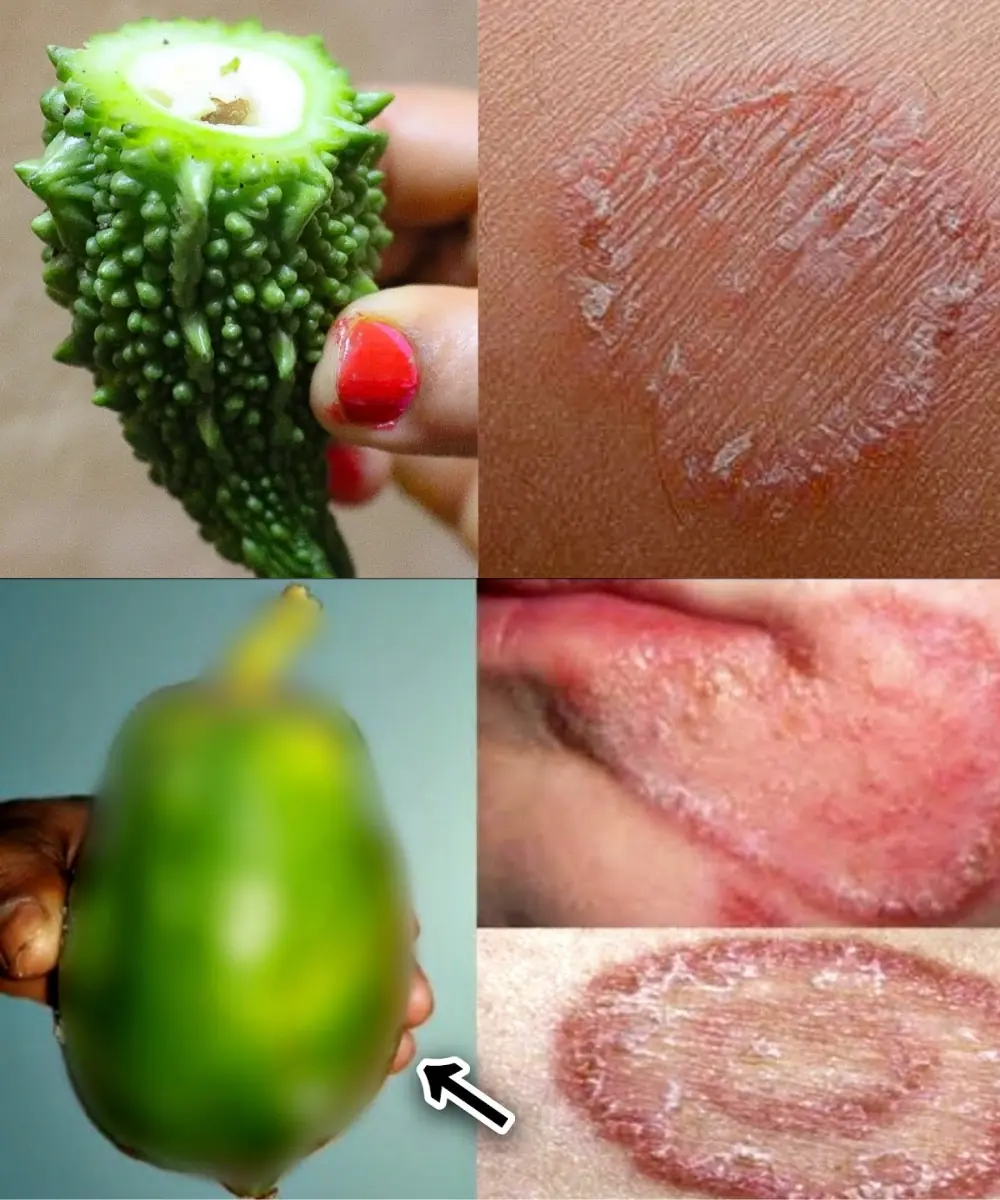
9 Powerful Home Remedies to Get Rid of Fungal Infection (Daad, Khaj, Khujli) Fast

7 Shocking Health Benefits Of Eating Sweet Potatoes Every Day — According To Science

About 15 Minutes Before a Stroke, the Body Often Sends 4 Clear Warning Signs — Call Your Loved Ones Immediately
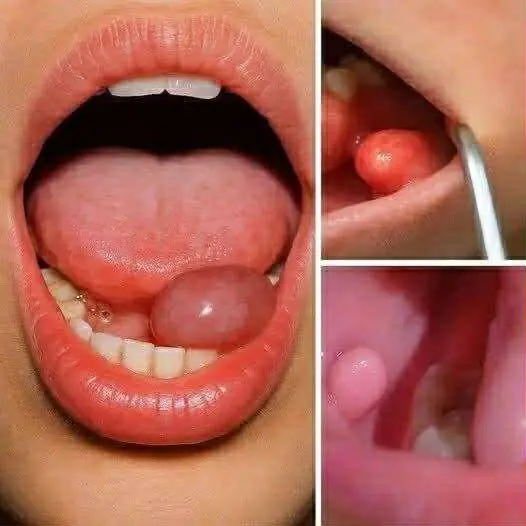
Hidden Dangers in Your Mouth: Early Signs of Oral Cancer
The Secret Power Of The Herb That Helps You Age Gracefully

The Unexpected Benefits of Eating Chicken Feet
If You See Someone with “Blue Veins,” Tell Them This — It Could Save Their Life
The Secret Power of Two Eggs a Day: Could This Simple Habit Transform Your Health? Buy vitamins and supplements

Man Passed Away After Eating Eggs — Stop Eating Eggs This Way Immediately
8 Foods That Fight Tumors — Eat Them Regularly

Does Eating Bananas Before Bed Have Any Benefits?

The Tongue as a Health Indicator: Meaning of a Whitish Color

Benefits of Boiled Eggs: Nutrition and Healthy Recipes
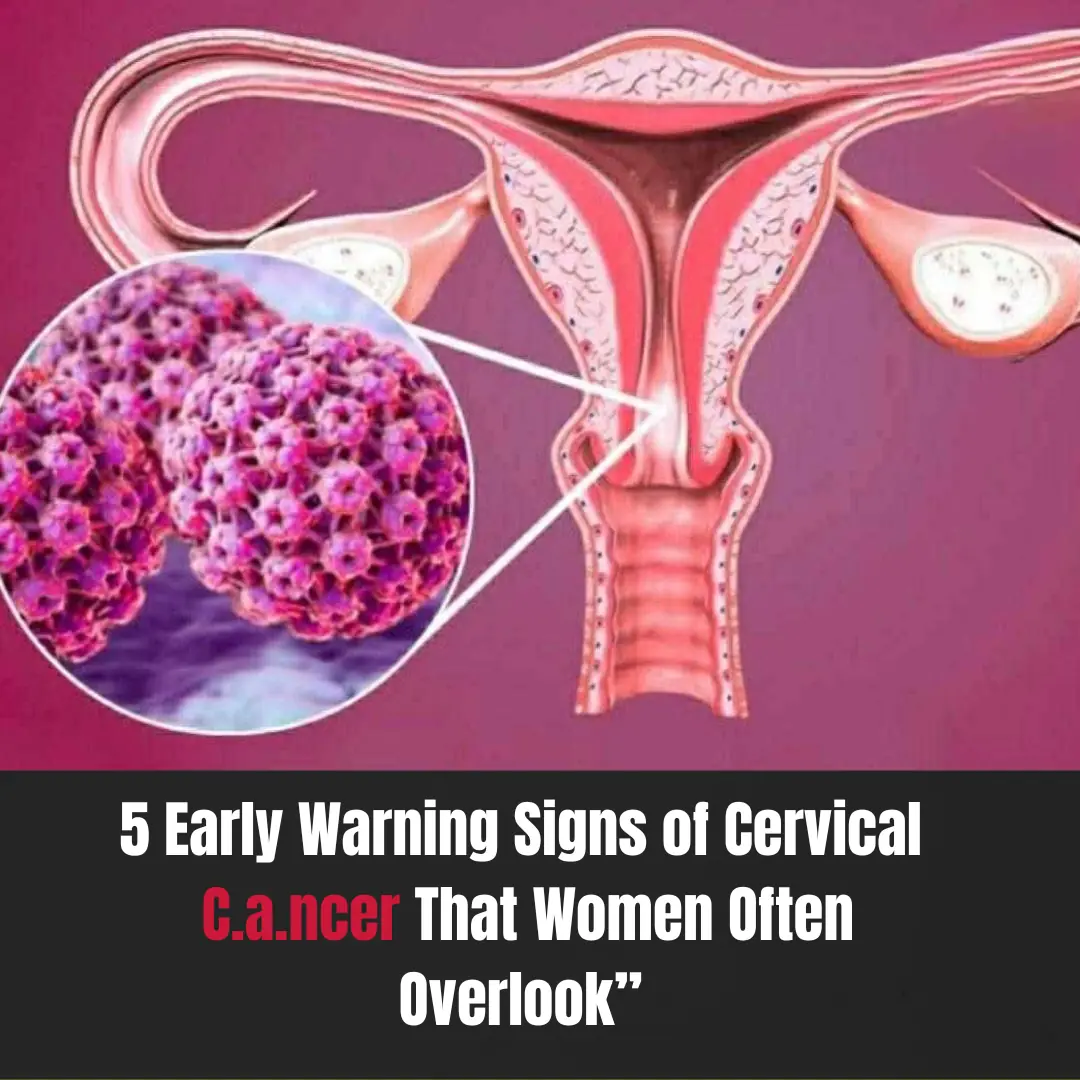
5 early warning signs of cervical cancer
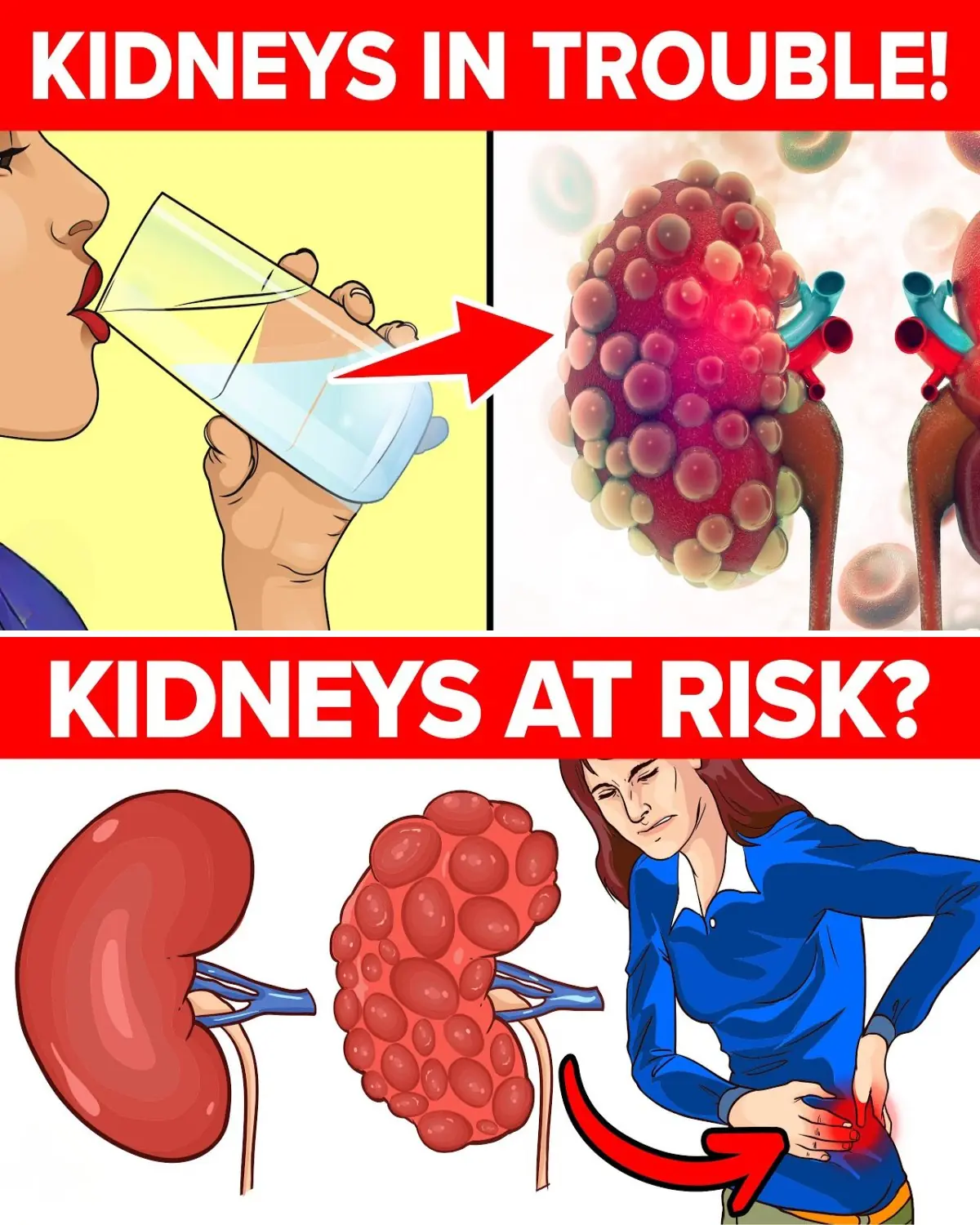
7 Innocent Mistakes That Get Your Kidneys in Big Trouble
News Post

WHAT HAPPENS WHEN WE TONGUE KISS…See more
Fitness 30/10/2025 13:23
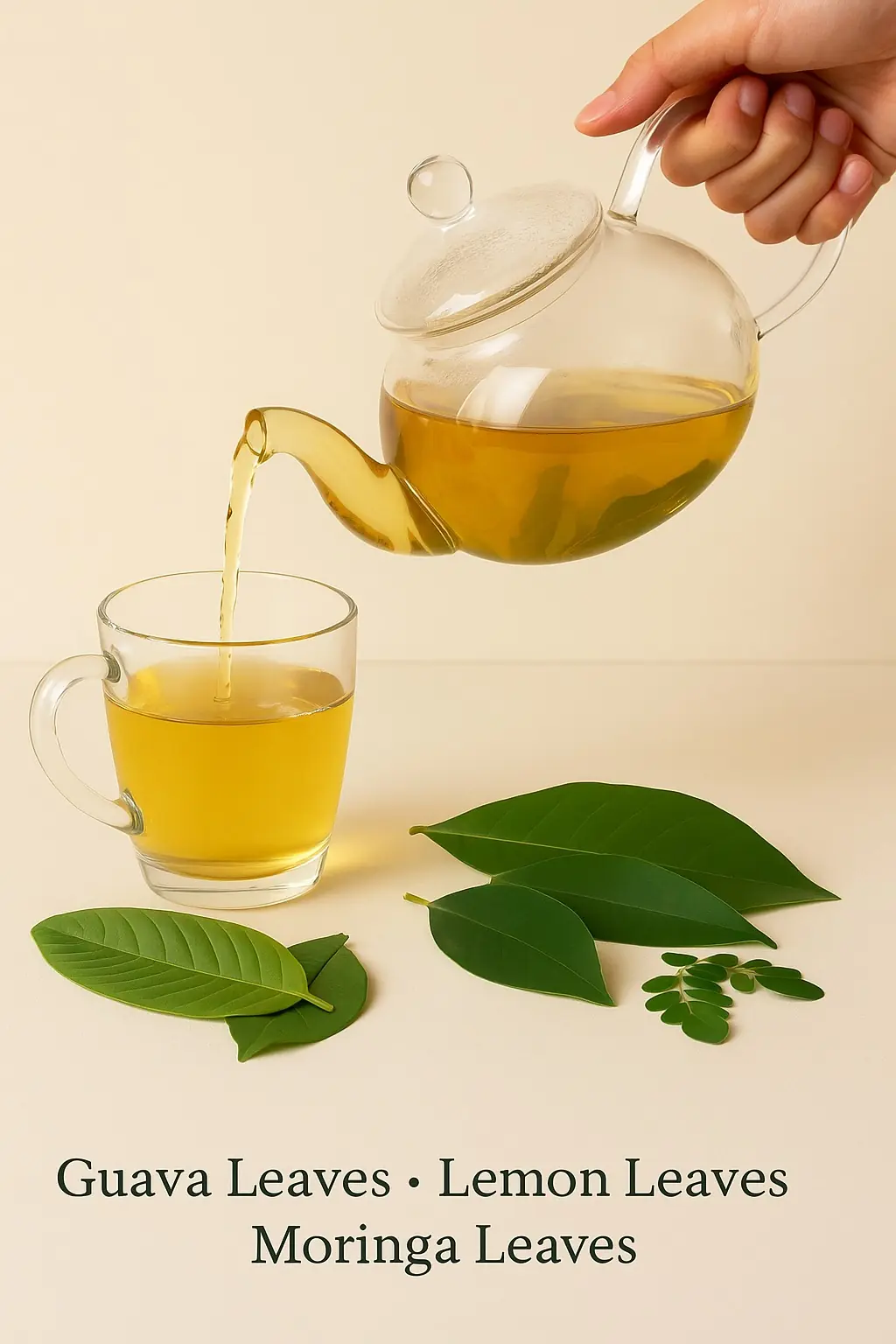
Nature’s Secret: 4 Healing Leaves That Support Metabolism, Immunity & Circulation Naturally
Healthy 27/10/2025 19:23

Don’t Drink Coconut Water Before You Know These 11 Secrets!
Healthy 27/10/2025 19:21
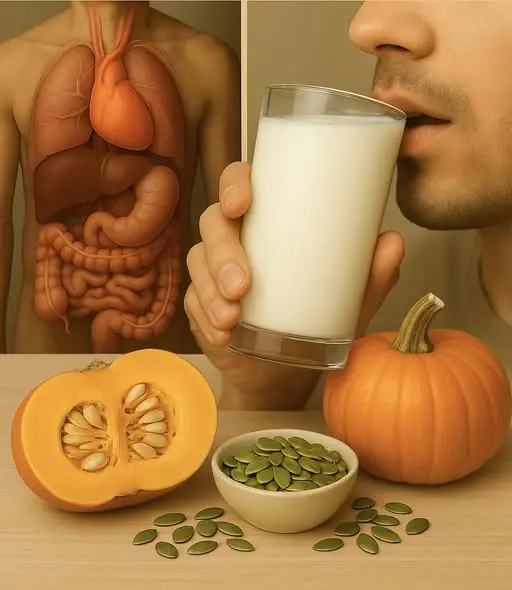
Pumpkin Seed Milk — The Natural Parasite Cleanser
Healthy 27/10/2025 19:19
Fast Rice Water Trick for a Brighter Smile
Healthy 26/10/2025 22:42
Morning Drink to Revive Your Kidneys Fast
Healthy 26/10/2025 22:38
The Onion Recipe That Could Transform Your Blood Sugar, Support Cleaner Arteries, and Protect Your Heart!
Healthy 26/10/2025 22:37
Top 4 Fruits That Help Your Kidneys Flush Out Toxins While You Sleep
Healthy 26/10/2025 22:35
Ginger, Clove, and Honey: The Natural Trio Your Body Will Thank You For
Healthy 26/10/2025 19:06
Heal 15 Years of Joint Pain Naturally with Turmeric and Honey Tea
Healthy 26/10/2025 19:04

This Juice Revived My Grandma’s Energy — Say Goodbye to Fatigue and Body Pain with This Natural Recipe
Healthy 26/10/2025 19:02
The Benefits of Eating 2 Boiled Eggs Every Morning: Transform Your Health!
Health News 26/10/2025 01:57
If Your Kidneys Are in Danger, Your Body Will Send You These 8 Signals — Don’t Ignore Them
Health News 26/10/2025 01:54
The Surprising Effects of Avocado on Your Heart and Brain
Health News 26/10/2025 01:44

Ways to Get Over a Man Who Didn’t Value You
Fun Fact 26/10/2025 01:36
I’m 66 but Look 36 — My Secret? Aloe Vera & Ginger for Firm, Smooth Skin
Healthy 25/10/2025 19:44

How to Make Okra Water to Treat 17 Health Problems Naturally
Healthy 25/10/2025 19:42

Banana and Egg Mask to Look Younger Even in Your 80s
Healthy 25/10/2025 19:29
Scent Leaf Secrets Unveiled: 10 Surprising Health Benefits of This Miracle Herb
Healthy 25/10/2025 19:24

From White Hair to Black Hair Naturally in Just 5 Minutes — Fast Hair Growth Remedy
Healthy 25/10/2025 19:22