Gardening is both an art and a science, requiring a blend of creativity and knowledge to cultivate a thriving garden. While many gardeners rely on traditional methods, there are numerous unconventional hacks that can enhance plant growth, improve soil health, and even change the color of your flowers. These lesser-known tips can transform your garden into a lush paradise without the need for expensive chemicals or tools.
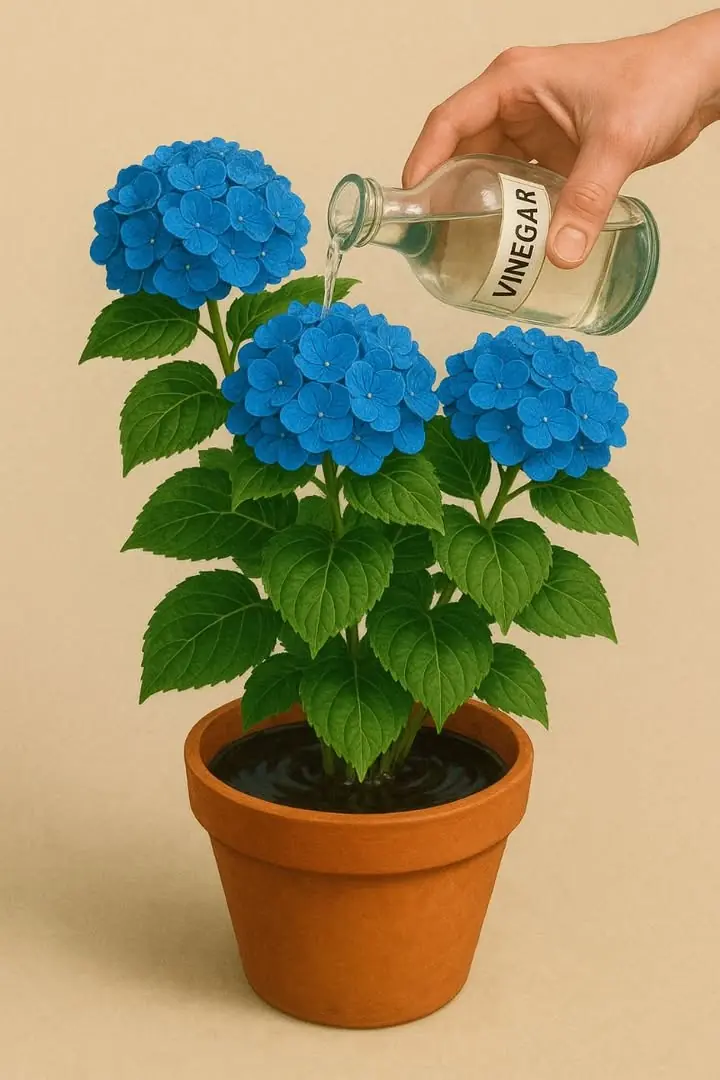
One such intriguing hack involves using vinegar to alter the color of hydrangeas. This simple household item can make your hydrangeas bloom more vibrantly and even change their color to a deeper blue. But vinegar is just the beginning. In this article, we will explore 13 of the best garden hacks that most people don't know, each with the potential to revolutionize your gardening experience.
Advertisement
1. The Science Behind Vinegar and Hydrangea Color
Hydrangeas are unique among flowering plants because their bloom color can change based on the pH level of the soil. In acidic soils (pH below 6), hydrangeas tend to produce blue flowers, while in alkaline soils (pH above 7), they produce pink flowers. Vinegar, being acidic, can lower the pH of the soil when applied correctly.
To achieve bluer hydrangeas, gardeners can mix one cup of white vinegar with a gallon of water and apply it to the soil around the hydrangea plants. This should be done once every two weeks during the growing season. The acetic acid in vinegar helps to increase the acidity of the soil, which in turn enhances the blue pigmentation in hydrangea blooms.
2. How to Use Vinegar for Bluer Hydrangeas
To use vinegar effectively for bluer hydrangeas, start by testing your soil's pH level with a home testing kit. If your soil is too alkaline, prepare a vinegar solution by mixing one cup of white vinegar with a gallon of water. Water your hydrangeas with this solution every two weeks, taking care to avoid the leaves and flowers to prevent any potential damage.
It's important to monitor the soil's pH regularly, as over-acidifying can harm the plant. Aim for a pH level between 5.2 and 5.5 for the best blue blooms. Additionally, ensure your hydrangeas are well-watered and receive adequate sunlight, as these factors also influence flower color and health.
3. Coffee Grounds for Acid-Loving Plants
Coffee grounds are an excellent addition to the garden, especially for acid-loving plants like azaleas, rhododendrons, and blueberries. They are slightly acidic and rich in nitrogen, making them a great natural fertilizer.
To use coffee grounds, simply sprinkle them around the base of your plants or mix them into the soil. You can also add them to your compost pile to enrich the compost with nitrogen. Be cautious not to overdo it, as too many coffee grounds can create a dense layer that prevents water from penetrating the soil.
4. Eggshells as Natural Fertilizer
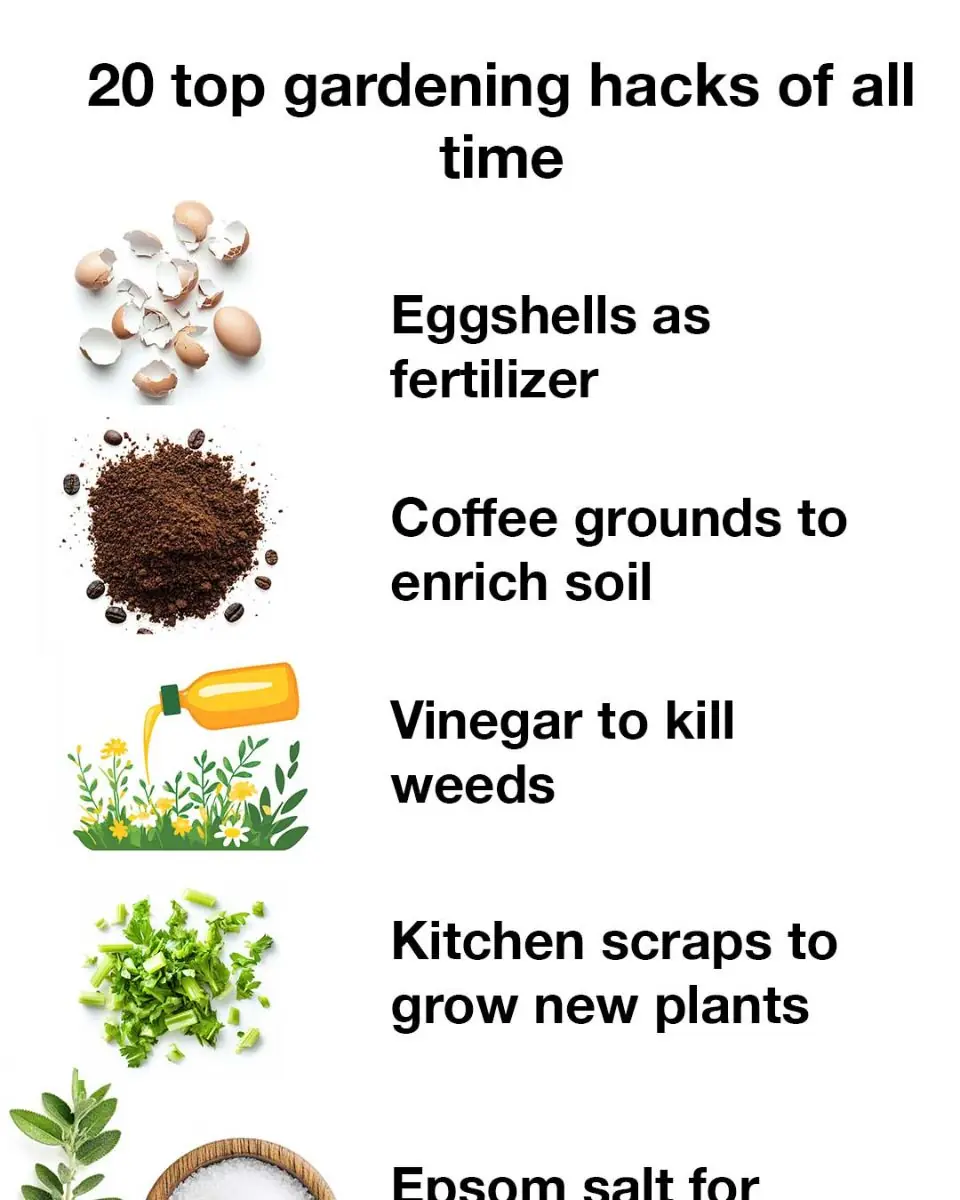
Eggshells are a fantastic source of calcium, which is essential for plant growth. They can help prevent blossom end rot in tomatoes and peppers, a condition caused by calcium deficiency.
To use eggshells in your garden, rinse them thoroughly and allow them to dry. Crush them into small pieces or grind them into a powder, then sprinkle them around the base of your plants or mix them into the soil. This will slowly release calcium as they decompose, benefiting your plants over time.
5. Banana Peels for Rose Health
Banana peels are rich in potassium, an essential nutrient for plant growth and flower development. Roses, in particular, benefit from the nutrients found in banana peels.
To use banana peels, simply chop them into small pieces and bury them around the base of your rose bushes. As they decompose, they will release potassium and other nutrients into the soil, promoting healthier and more vibrant blooms. Alternatively, you can blend banana peels with water to create a nutrient-rich slurry that can be poured around your plants.
6. Epsom Salt for Greener Leaves
Epsom salt, or magnesium sulfate, is a popular garden hack for promoting greener leaves and healthier plants. Magnesium is a crucial component of chlorophyll, the compound that gives plants their green color and is vital for photosynthesis.
To use Epsom salt, dissolve one tablespoon in a gallon of water and apply it to your plants once a month. This can be done as a foliar spray or as a soil drench. Epsom salt is particularly beneficial for tomatoes, peppers, and roses, helping to improve their overall health and vigor.
7. Companion Planting for Pest Control
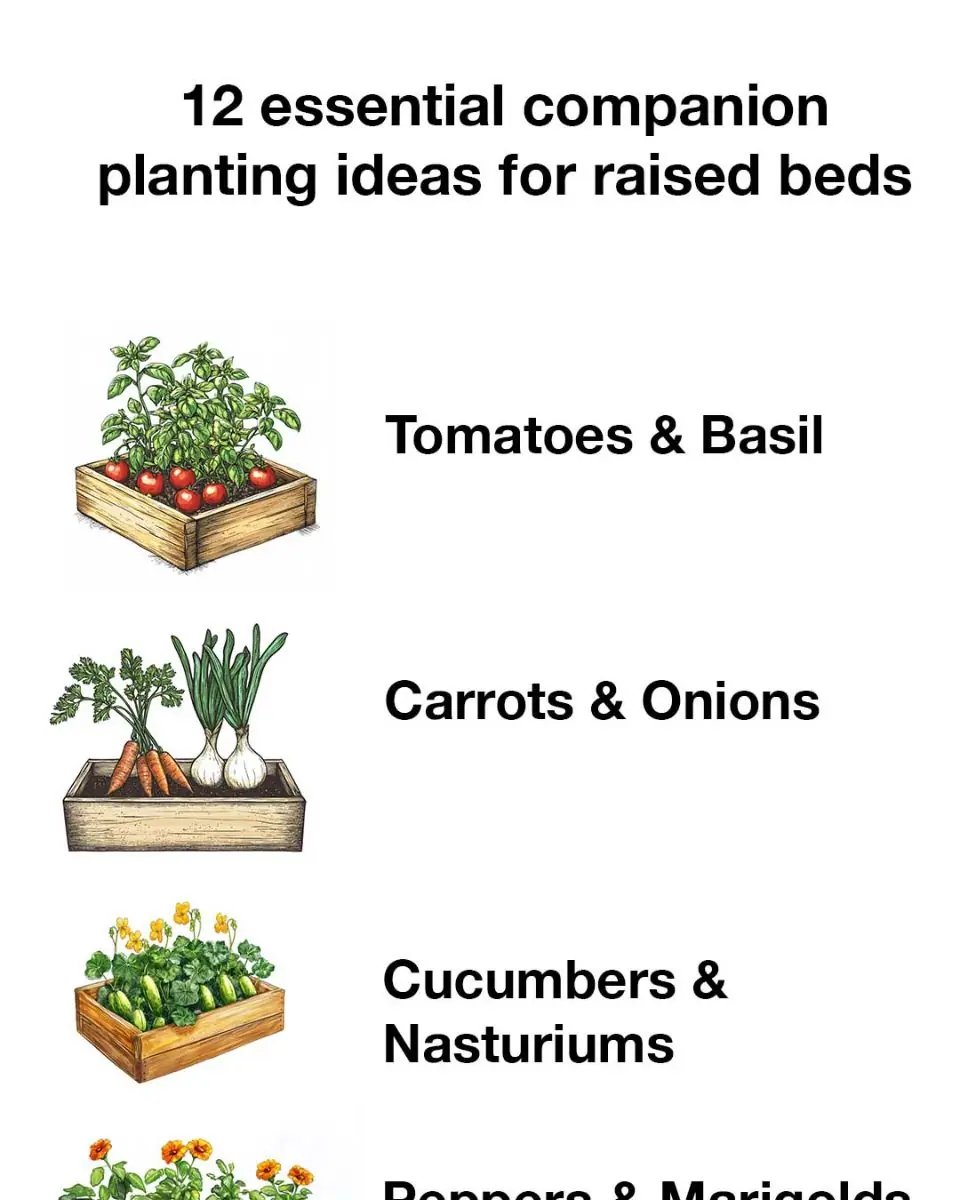
Companion planting is a natural method of pest control that involves growing certain plants together to repel pests and improve growth. For example, planting marigolds alongside tomatoes can deter nematodes, while basil planted near peppers can repel aphids and spider mites.
Research which plants work well together and plan your garden layout accordingly. Not only does companion planting help with pest control, but it can also enhance flavor and yield, making it a win-win for any gardener.
8. DIY Composting for Rich Soil
Composting is an excellent way to recycle kitchen scraps and yard waste into nutrient-rich soil for your garden. A simple compost pile can be started with a mix of green materials (like fruit and vegetable scraps) and brown materials (like leaves and twigs).
To create a balanced compost, aim for a ratio of roughly 3 parts brown to 1 part green. Turn your compost pile regularly to aerate it and speed up the decomposition process. Over time, you'll have a rich, dark compost that can be mixed into your garden beds to improve soil structure and fertility.
9. Using Baking Soda to Prevent Fungal Diseases
Baking soda is a natural fungicide that can help prevent and treat fungal diseases like powdery mildew and black spot on plants. Its alkaline nature disrupts the growth of fungal spores.
To make a baking soda spray, mix one tablespoon of baking soda with a gallon of water and add a few drops of liquid soap to help it adhere to the leaves. Spray this solution on affected plants every 7 to 10 days, ensuring thorough coverage of the leaves and stems.
10. Cinnamon as a Natural Antifungal
Cinnamon is not just a spice; it's also a powerful antifungal agent that can protect seedlings from damping-off disease, a common problem in young plants.
To use cinnamon, simply sprinkle it on the soil surface around your seedlings. This will help prevent fungal spores from taking hold and damaging your plants. Cinnamon can also be used on plant wounds to prevent infection and promote healing.
11. Milk Spray for Powdery Mildew
Milk has antifungal properties that make it an effective treatment for powdery mildew, a common fungal disease that affects many plants. The proteins in milk interact with sunlight to create an antiseptic effect that kills fungal spores.
To make a milk spray, mix one part milk with two parts water and apply it to the affected plants every 10 to 14 days. Be sure to cover both the tops and undersides of the leaves for maximum effectiveness. This natural remedy is safe for plants and the environment.
12. Soap and Water for Aphid Control
A simple soap and water solution can effectively control aphid infestations on your plants. The soap works by breaking down the protective outer layer of the aphids, causing them to dehydrate and die.
To make a soap spray, mix one teaspoon of mild liquid soap with a quart of water. Spray this solution directly onto the aphids, ensuring thorough coverage. Repeat every few days until the aphids are gone. Be sure to test the spray on a small area first to ensure it doesn't harm your plants.
13. Mulching with Newspaper to Retain Moisture
Newspaper is an excellent, cost-effective mulch that can help retain soil moisture, suppress weeds, and regulate soil temperature. It's biodegradable and will break down over time, adding organic matter to the soil.
Advertisement
To use newspaper as mulch, lay down a few layers around your plants, overlapping the edges to prevent weeds from poking through. Wet the newspaper to keep it in place, then cover it with a layer of straw or wood chips for added weight and aesthetics. This simple method can significantly improve your garden's health and productivity.