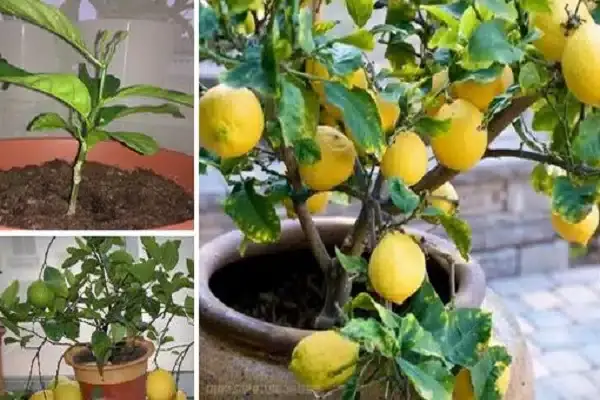
Stop Buying Lemons. Here’s How To Grow An Endless Supply Of Lemons Right At Home

If you’re tired of buying lemons from the store, it’s time to take matters into your own hands. Growing your own lemon tree at home is simpler than you think and provides a continuous supply of this citrusy staple.
With the right care, you can enjoy fresh, organic lemons year-round, whether you have a garden, balcony, or sunny windowsill.
This comprehensive guide will show you how to grow an endless supply of lemons right at home.
Why Grow Your Own Lemons?
- Freshness Guaranteed: Enjoy freshly picked, chemical-free lemons straight from your tree.
- Save Money: Cut down on grocery bills by producing your own supply of lemons.
- Eco-Friendly: Reduce your carbon footprint by growing lemons sustainably.
- Fragrance and Beauty: Lemon trees bring a touch of nature, with their glossy leaves, fragrant flowers, and vibrant fruit.
What You’ll Need to Grow Lemons at Home
- Lemon seeds or a young lemon tree sapling (Meyer, Eureka, or Lisbon varieties work well)
- Well-draining soil (citrus mix or a mix of sand, peat moss, and perlite)
- Pots or containers with drainage holes
- Fertilizer designed for citrus trees
- Access to direct sunlight (6–8 hours daily)
Step-by-Step Guide to Growing Lemons at Home
1. Choose the Right Lemon Variety
- Meyer Lemon: Ideal for home growing, with sweeter, less acidic fruit and a compact size perfect for pots.
- Eureka Lemon: Produces tangy, classic lemons and thrives in warm climates.
- Lisbon Lemon: Heat- and drought-tolerant, suitable for outdoor planting.
2. Decide Between Seeds or a Sapling
- Seeds: Growing from seeds is cost-effective and rewarding but takes 3–6 years to produce fruit.
- Saplings: A young tree can bear fruit within 1–2 years, making it a faster option.
3. Prepare the Planting Area
For Potted Trees:
- Select a pot with drainage holes to prevent waterlogging.
- Use a slightly acidic, well-draining soil mix designed for citrus plants.
- Place the pot on a saucer to catch excess water.
For Outdoor Trees:
- Choose a sunny spot with good drainage.
- Avoid planting in low-lying areas where water may collect.
4. Planting Your Lemon Tree
For Seeds:
- Extract seeds from a fresh, organic lemon.
- Rinse and soak the seeds in water for 24 hours.
- Plant them 1/2 inch deep in moist soil. Cover the pot with plastic wrap to retain warmth and humidity.
- Place the pot in a sunny spot and keep the soil consistently moist until germination (1–2 weeks).
For Saplings:
- Gently loosen the roots of the sapling before planting.
- Place it in the soil at the same depth it was growing in its nursery pot.
- Water thoroughly after planting to help the roots settle.
5. Provide Optimal Growing Conditions
- Sunlight: Ensure the lemon tree gets 6–8 hours of direct sunlight daily. If growing indoors, place it near a sunny window or use grow lights.
- Temperature: Lemon trees thrive in temperatures between 70°F and 85°F. Protect from frost by moving pots indoors during winter.
- Watering: Water deeply but allow the top inch of soil to dry out between waterings. Overwatering can lead to root rot.
6. Fertilize Regularly
Feed your lemon tree with a citrus-specific fertilizer rich in nitrogen, phosphorus, and potassium. Apply fertilizer every 4–6 weeks during the growing season (spring and summer) and reduce feeding in fall and winter.
7. Prune and Shape the Tree
- Remove dead or diseased branches to maintain the tree’s health.
- Prune to shape the tree and improve air circulation, which helps prevent diseases.
- Remove suckers (small shoots growing from the base) to direct energy to the main trunk.
8. Hand-Pollinate for Indoor Trees
If your tree is grown indoors, you may need to hand-pollinate flowers using a small paintbrush or cotton swab. Transfer pollen from one flower to another to encourage fruit development.
When to Expect Lemons
- A sapling can produce fruit within 1–2 years, while trees grown from seeds may take 3–6 years.
- Lemons typically ripen 6–9 months after flowering. Harvest them when they turn yellow and feel slightly soft.
Caring for Your Lemon Tree Year-Round
1. Pest Management
Common pests like aphids, spider mites, and scale insects can affect lemon trees. Use natural remedies such as neem oil or insecticidal soap to keep them at bay.
2. Protect from Cold
Move potted trees indoors during frost, or cover outdoor trees with frost blankets.
3. Repotting
For potted trees, repot every 2–3 years to prevent root binding. Use fresh soil and a slightly larger pot each time.
Benefits of Growing Lemons at Home
- Health Benefits: Fresh lemons are rich in vitamin C, antioxidants, and natural cleansing properties.
- Cooking Uses: Use lemons in drinks, desserts, marinades, or as a natural flavor enhancer.
- Eco-Friendly Lifestyle: Homegrown lemons reduce reliance on store-bought produce and eliminate packaging waste.
- Air Quality Improvement: Lemon trees purify the air and add a refreshing scent to your home or garden.
Creative Uses for Your Endless Lemon Supply
- Homemade Lemonade: Enjoy refreshing, sugar-free lemonade.
- Natural Cleaning Products: Mix lemon juice with vinegar for an effective natural cleaner.
- Skincare Remedies: Use lemon juice in face masks or as a natural astringent.
- Preserved Lemons: Salt-cure lemons for Middle Eastern dishes like tagines.
- Freezing: Freeze lemon juice in ice cube trays for long-term storage.
Growing your own lemon tree at home is a rewarding journey that leads to an endless supply of fresh, organic lemons.
Whether you start from seeds or a sapling, with a little care and attention, your lemon tree can flourish for years, providing not just fruit but also a beautiful, fragrant addition to your home or garden.
Stop buying lemons and start growing your own today—your wallet, taste buds, and the environment will thank you! 🍋🌱
News in the same category


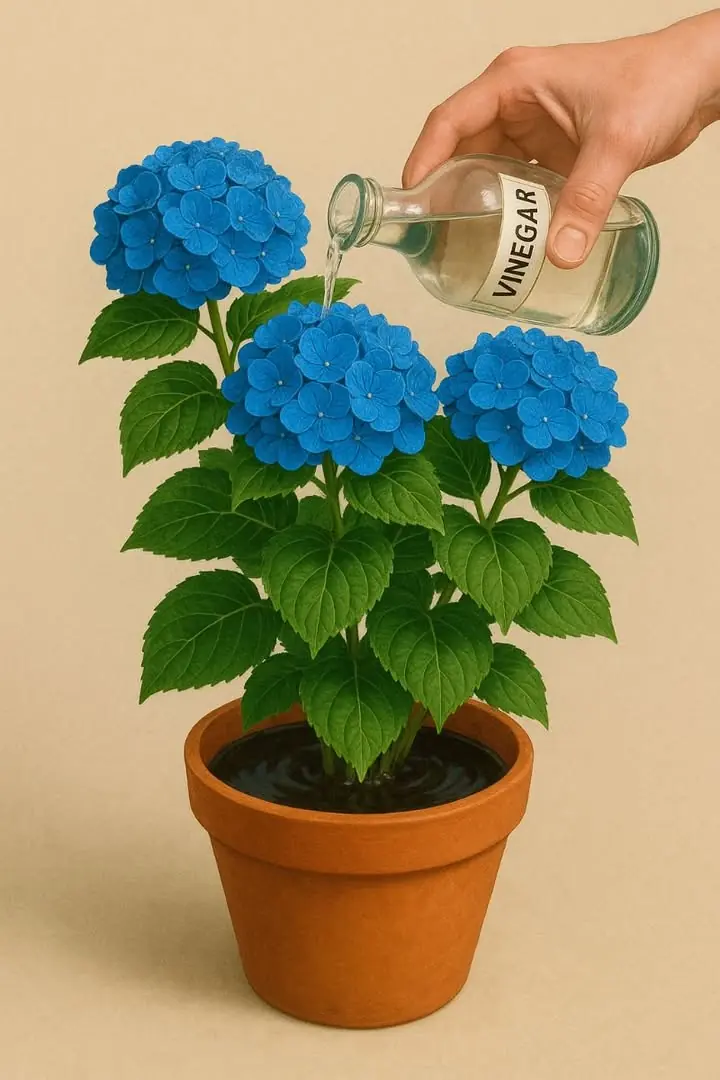
Vinegar makes hydrangeas bloom and bluer? 13 best garden hacks most don’t know

THE MONEY PLANT

7 Reasons Why You Shouldn’t Kill Purslane in Your Garden

15 Most Useful Citrus Peel Uses in The Garden

Goldenberries (Physalis peruviana): A Nutrient-Packed Powerhouse for Health and Vision

Stubborn Grass: 10 Amazing Benefits & Side Effects

8 Foods You Can Grow in Buckets All Year

So brilliant!

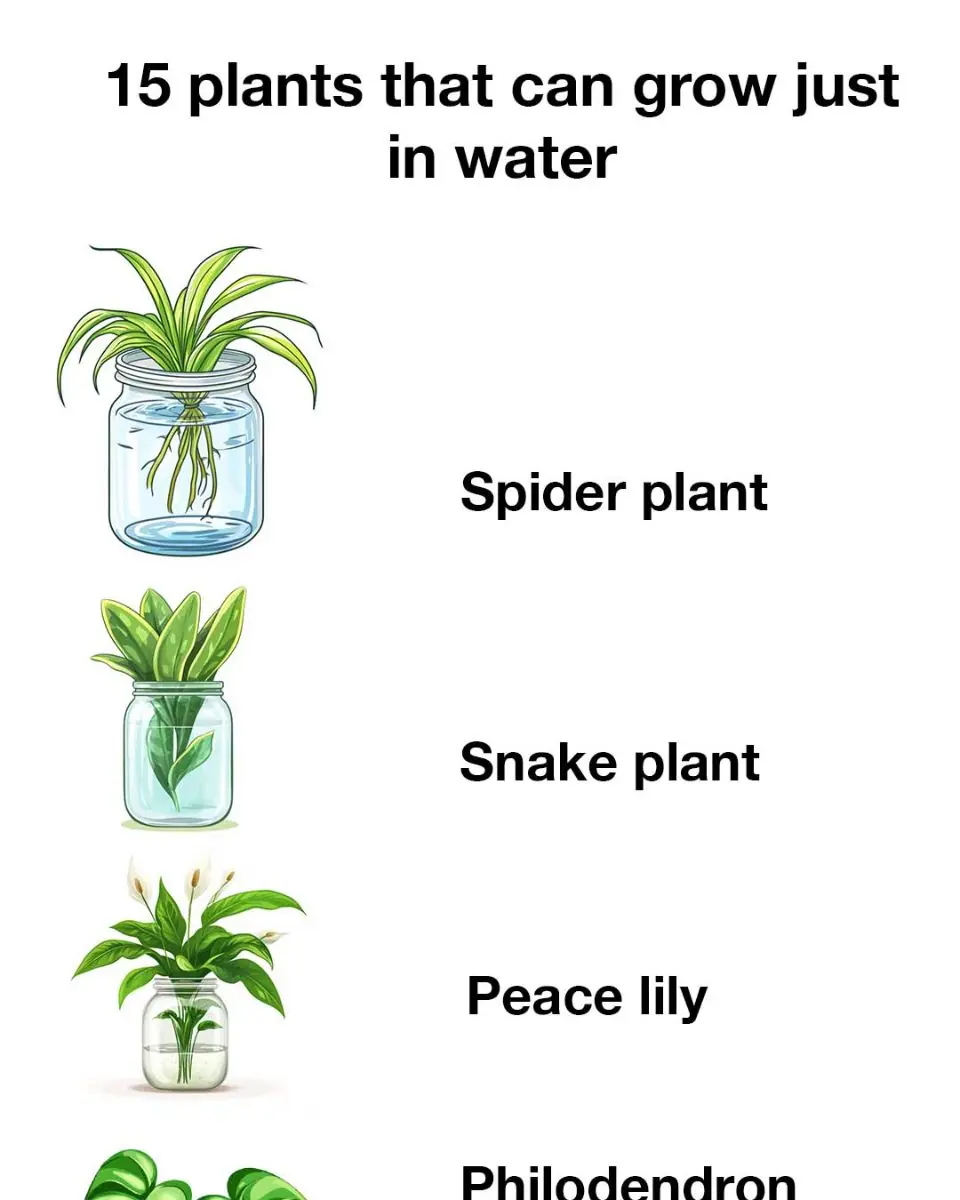
15 plants that can grow just in water

How To Get Peace Lilies To Bloom More Often

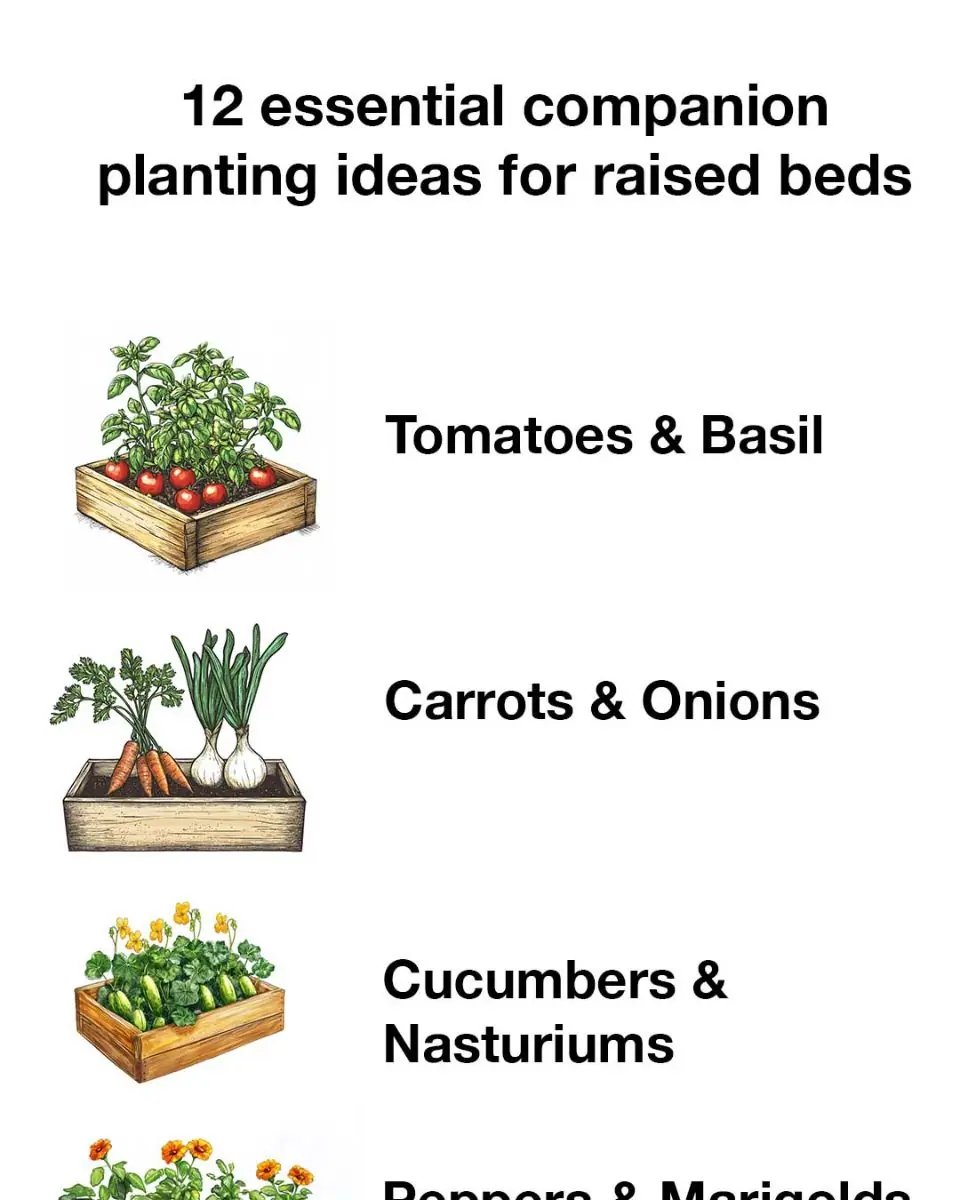
12 essential companion planting ideas for raised beds

Plant Once, Pick Forever! 10 Perennial Vegetables You NEED to Plant This Summer

7 Ways How to Attract Hedgehogs to Your Garden

12 Herbs you Can Grow With Just Water all Year Round

20 Perennials That Bloom Multiple Times a Year

The Hidden Dangers of Datura Stramonium: A Toxic Plant You Should Avoid

20 top gardening hacks of all time

Don’t Discard the Flowers on Your Basil: Here are 8 Ways How to Use Them

This is How to Correctly Plant Tomatoes to Grow 5–8 ft Plants
News Post

WHAT HAPPENS WHEN WE TONGUE KISS…See more

Nature’s Secret: 4 Healing Leaves That Support Metabolism, Immunity & Circulation Naturally

Don’t Drink Coconut Water Before You Know These 11 Secrets!

Pumpkin Seed Milk — The Natural Parasite Cleanser

Fast Rice Water Trick for a Brighter Smile

Morning Drink to Revive Your Kidneys Fast

The Onion Recipe That Could Transform Your Blood Sugar, Support Cleaner Arteries, and Protect Your Heart!

Top 4 Fruits That Help Your Kidneys Flush Out Toxins While You Sleep

Ginger, Clove, and Honey: The Natural Trio Your Body Will Thank You For

Heal 15 Years of Joint Pain Naturally with Turmeric and Honey Tea

This Juice Revived My Grandma’s Energy — Say Goodbye to Fatigue and Body Pain with This Natural Recipe

The Benefits of Eating 2 Boiled Eggs Every Morning: Transform Your Health!

If Your Kidneys Are in Danger, Your Body Will Send You These 8 Signals — Don’t Ignore Them

The Surprising Effects of Avocado on Your Heart and Brain

Ways to Get Over a Man Who Didn’t Value You

I’m 66 but Look 36 — My Secret? Aloe Vera & Ginger for Firm, Smooth Skin

How to Make Okra Water to Treat 17 Health Problems Naturally

Banana and Egg Mask to Look Younger Even in Your 80s

Scent Leaf Secrets Unveiled: 10 Surprising Health Benefits of This Miracle Herb