Ways to Get Over a Man Who Didn’t Value You
Fun Fact 26/10/2025 01:36
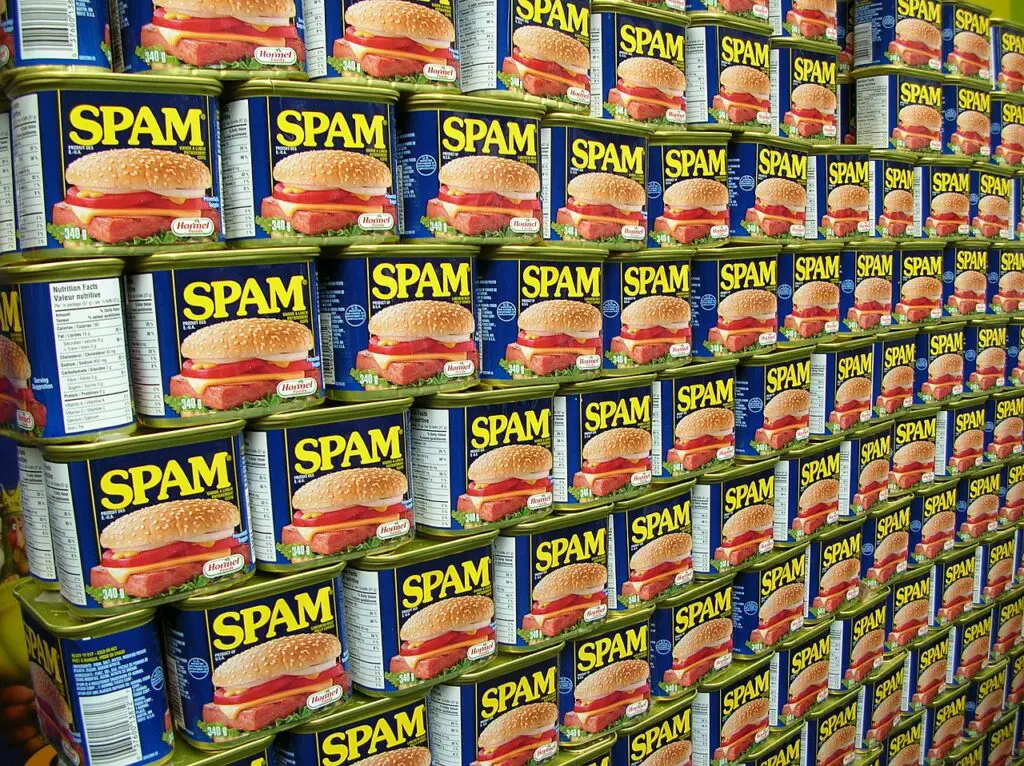
Since its debut in 1937, SPAM has become one of the most recognizable pantry staples in American households—and beyond. Developed by Hormel Foods Corporation, this canned cooked meat was celebrated for its long shelf life, affordability, and convenience, especially during times of crisis.
But what exactly is SPAM? And should you be eating it regularly?
The origin of the name "SPAM" has long sparked curiosity. While most agree it’s short for “Spiced Ham,” others believe it stands for “Shoulder of Pork and Ham” or “Specially Processed American Meat.” Regardless of its name, SPAM is certainly one of the most iconic and mysterious foods to ever hit the shelves.
SPAM rose to prominence during World War II when it became a primary source of protein for American troops overseas. Its shelf stability and ease of transport made it invaluable in war zones.
After the war, its popularity spread across the globe—especially in places like Hawaii, South Korea, and the Philippines, where it remains a beloved staple in many traditional dishes today.
Despite its simple look and curious reputation, the ingredients in classic SPAM are straightforward:
Pork (including ham)
Salt
Water
Sugar
Potato starch (acts as a binder)
Sodium nitrate (preserves color and extends shelf life)
It’s this sodium nitrate—a compound often found in processed meats—that has raised concerns among health experts.
Sodium nitrate is a preservative used to maintain SPAM’s pink color and prevent spoilage. It also naturally occurs in vegetables like spinach and celery, and can sometimes be found in groundwater.
However, research has linked excessive nitrate consumption to various health risks, including:
Colorectal cancer
Leukemia
Non-Hodgkin lymphoma
Heart disease
Stomach, ovarian, pancreatic, and thyroid cancers
According to the Centers for Disease Control and Prevention (CDC), the safe limit is about 3.7 milligrams per kilogram of body weight per day. But here’s the issue: most food labels don’t disclose nitrate content, making it hard to track your daily intake.
Despite health debates, SPAM has diversified far beyond its original version. Today, you can find flavors like:
Hickory Smoke
Hot & Spicy
SPAM with Cheese
Teriyaki
Lite (lower sodium and fat)
There’s a SPAM for almost every taste preference—and it continues to evolve with changing food trends.
SPAM can be enjoyed in moderation as part of a balanced diet. While it contains preservatives like sodium nitrate, the real issue lies in frequency of consumption and overall dietary habits.
If you're eating SPAM daily or regularly consuming other processed meats, it might be time to reassess. But for occasional use—especially in cultural dishes or as an emergency food—it remains a nostalgic and convenient choice.
SPAM has played an undeniable role in history, from wartime survival to global culinary traditions. Its simple ingredients and long-lasting shelf life made it a food revolution in the 20th century. But like many processed foods, it’s best enjoyed occasionally and with awareness.
Know what’s in your food, read labels where possible, and balance your meals with fresh, whole ingredients.
Found this article useful?
📤 Share it with your friends and family to help them understand what’s in their pantry!