Ways to Get Over a Man Who Didn’t Value You
Fun Fact 26/10/2025 01:36
When we think of sustainable meat, images of lab-grown burgers or plant-based patties come to mind. But Japanese researcher Mitsuyuki Ikeda from the Okayama Laboratory has taken sustainability to an entirely new—and controversial—level: transforming human poop into edible protein.
Yes, you read that right.
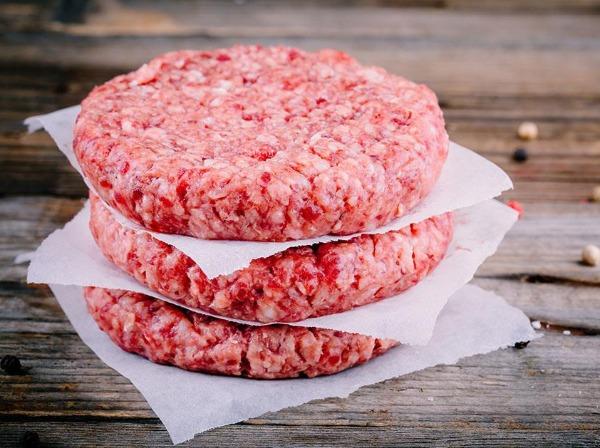
At first glance, the idea of eating meat derived from sewage sounds like something out of a dystopian sci-fi novel. Yet, Professor Ikeda insists that this innovation could be the key to solving two major global crises: food shortages and environmental waste.
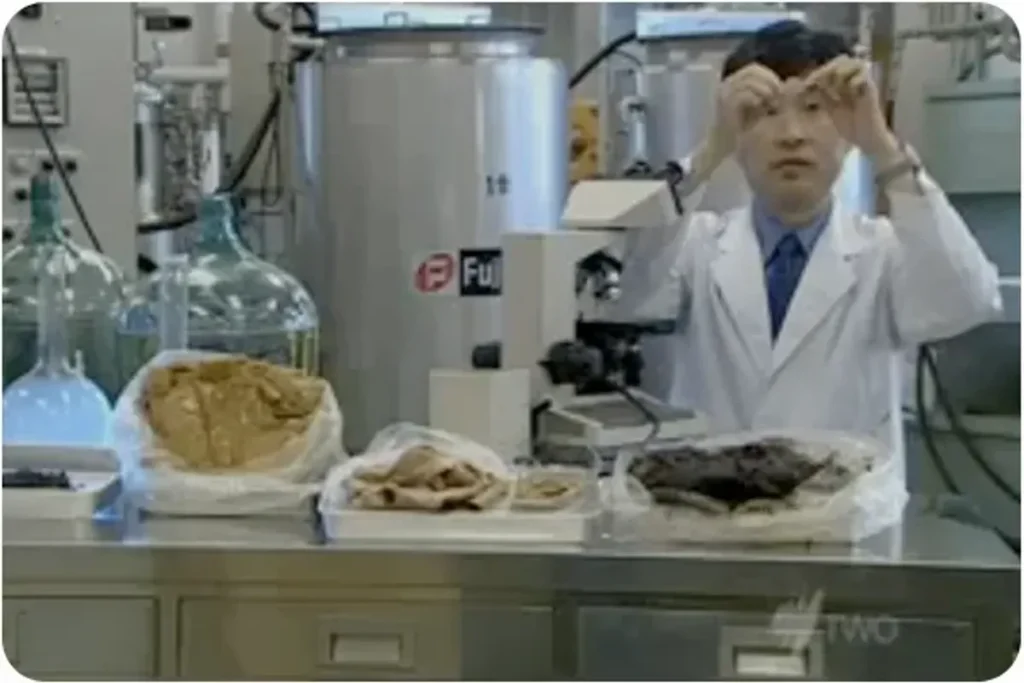
Here’s how it works:
Extraction: Tokyo’s sewage sludge is packed with protein-rich bacteria.
Processing: Using a machine called an “exploder,” the waste is broken down and combined with a reaction enhancer.
Formation: The result? A protein-dense paste that’s 63% protein, 25% carbohydrates, 3% lipids, and 9% minerals—nutritionally comparable to beef.
Flavoring: Soy is added for texture, and steak sauce masks any unpleasant origins.
Surprisingly, early taste-testers couldn’t distinguish it from real beef.
Tokyo’s sewage system is overflowing with wastewater mud, and traditional disposal methods are costly and inefficient. When the Tokyo Sewage Department approached Professor Ikeda for a solution, he saw an opportunity to kill two birds with one stone: Reduce waste by repurposing sewage into something useful and cut methane emissions from livestock (cows are notorious for their greenhouse gas contributions).
“If we can shift even a fraction of meat consumption to this alternative, the environmental impact would be enormous,” argues Ikeda.
Of course, there are two massive obstacles standing in the way of this sustainable meat revolution:
The “Yuck” Factor
Most people recoil at the thought of eating something derived from human waste. “It’s all about perception,” says food psychologist Dr. Naomi Fujita. “If it’s safe, nutritious, and tastes good, the stigma could fade—just like it did with sushi in the West.”
Production Costs
Currently, producing this sustainable meat costs 10 to 20 times more than traditional beef. Scaling up manufacturing could lower prices, but fast-food chains would need to take the risk first.
While the idea may seem revolting now, history shows that unconventional food sources often gain acceptance over time. Insects are now a protein staple in many countries. Lab-grown meat was once mocked but is now a billion-dollar industry.
“The biggest challenge isn’t the science—it’s convincing people to take the first bite,” admits Ikeda.
Love it or hate it, Professor Ikeda’s waste-to-meat innovation forces us to rethink how we produce food in an overpopulated, climate-stressed world. Whether this sustainable meat becomes a mainstream option or remains a bizarre experiment depends on consumer acceptance and economic feasibility.
One thing’s for sure: the future of food is stranger than we ever imagined.