Healthy 2025-10-06 14:36:28
The Meaning Behind the Tradition of Coins on Gravestones – A Silent Message Left Behind
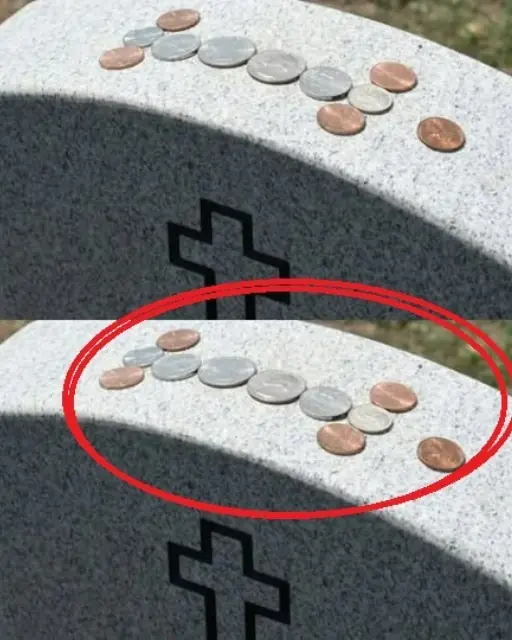
Have you ever visited a cemetery and noticed something curious — a coin resting on a headstone ?
You might have seen it at a military grave , a family plot , or even at a war memorial site . A penny, nickel, dime, or quarter left gently on top of a stone or next to flowers.
It’s not litter. It’s not random.
It’s a tradition with deep meaning , passed down through generations, especially among families of military veterans and those who visit fallen heroes' gravesites.
In this post, we’ll explore the meaning behind the tradition of leaving coins on gravestones , where it started, what each coin means, and why people still do it today.
Let’s uncover the silent language of remembrance.
🪙 What Does Leaving a Coin on a Grave Mean?
Leaving a coin on a gravestone is a symbolic gesture — a quiet way to say:
“I was here. I remembered you.”
While the practice has roots in ancient customs, it's become most widely known through U.S. military traditions , especially for honoring fallen service members.
Each type of coin carries its own special message:
These small tokens are more than just metal — they're a message between strangers , a silent salute , and a symbol of unity across time.
⚔️ Origins of the Tradition – Military Roots
The modern version of this tradition became widespread during and after the Vietnam War , though some trace it back to ancient Greek rituals .
In Ancient Greece:
- Coins were placed on graves so the dead could pay Charon, the ferryman of the underworld.
- This evolved into a symbol of remembrance and passage .
In American Military History:
- During the Vietnam era, many soldiers feared visiting cemeteries openly due to public sentiment around the war.
- So they began leaving coins as a discreet sign that someone had come by — without drawing attention.
- Over time, the practice became formalized within veteran circles as a way to honor the fallen while also connecting with fellow service members.
Today, it’s common to see coins left at the graves of fallen soldiers , at Arlington National Cemetery , or even at memorials like The Wall in Washington D.C.
👥 Who Leaves Coins on Graves?
While anyone can leave a coin, the tradition is especially meaningful when done by:
- Family members paying tribute
- Fellow veterans or active-duty service members
- Friends or comrades who served together
- Tourists or visitors showing respect at military cemeteries like Normandy or Gettysburg
Sometimes, people leave coins simply because they’re moved by what they see — and want to say thank you.
🧠 The Deeper Emotional Significance
Beyond symbolism, there’s an emotional layer to this tradition:
- It’s a way to honor a life lost too soon
- It’s a non-verbal way to connect with others who’ve shared in loss
- It helps track how many people have visited a grave — caretakers sometimes collect them and report visits to family
- It gives closure to those who served alongside the fallen
For many, placing a coin is a private moment of reflection — a way to say, “I won’t forget you.”
🏛️ Other Cultural Traditions Involving Coins & Remembrance
While the U.S. military tradition is the most well-known, other cultures also use coins to remember the dead:
It shows that across time and geography, humans find unique ways to say goodbye.
📈 Monetization Hacks for Bloggers & Content Creators
If you run a lifestyle blog, YouTube channel, or social media account focused on history, military stories, or cultural traditions, this kind of content is perfect for monetization .
Here’s how to maximize its earning potential:
- Place display ads between key sections.
- Recommend books like “The Things They Carried” , documentaries, or patriotic merchandise using affiliate links.
- Offer downloadable “Guide to Military Etiquette” behind email opt-ins.
- Create short videos explaining the tradition for YouTube, TikTok, or Instagram Reels with affiliate links in the description.
📊 SEO Tips for Maximum Reach
To help your post rank higher in search engines, optimize for these keywords:
- "Meaning of coins on gravestones"
- "Coins on military tombstones"
- "What does a penny on a grave mean?"
- "Military grave coin tradition"
- "Symbolism of coins on graves"
- "Traditions at veterans’ cemeteries"
Use them naturally throughout your content, especially in:
- Headings
- Image alt text
- Meta descriptions
- Video titles and tags
❓ Frequently Asked Questions
Q: Is this only for military graves?
A: While it’s most commonly associated with veterans, civilians sometimes leave coins as a sign of respect or mourning.
Q: Do cemeteries keep the coins?
A: Yes — groundskeepers often collect them and donate the money to veterans’ causes.
Q: Can I take a coin home if I find one?
A: No — it’s considered disrespectful. Leave it or let a caretaker handle it.
Q: What about other objects on graves?
A: Flowers, flags, letters, and even stones are also used worldwide to show respect.
Q: Why would someone leave a quarter?
A: Often signifies that the visitor was with the person when they died — especially common at military funerals or memorials.
🧾 Final Thoughts
The tradition of leaving coins on gravestones may seem small — but it speaks volumes.
Whether it’s a penny left by a stranger, a quarter by a battle buddy, or a nickel by a fellow Marine, each coin tells a story of remembrance, connection, and honor .
News in the same category
Don’t Drink Coconut Water Before You Know These 11 Secrets!
Pumpkin Seed Milk — The Natural Parasite Cleanser
Fast Rice Water Trick for a Brighter Smile
Morning Drink to Revive Your Kidneys Fast

The Onion Recipe That Could Transform Your Blood Sugar, Support Cleaner Arteries, and Protect Your Heart!

Top 4 Fruits That Help Your Kidneys Flush Out Toxins While You Sleep
Ginger, Clove, and Honey: The Natural Trio Your Body Will Thank You For
Heal 15 Years of Joint Pain Naturally with Turmeric and Honey Tea
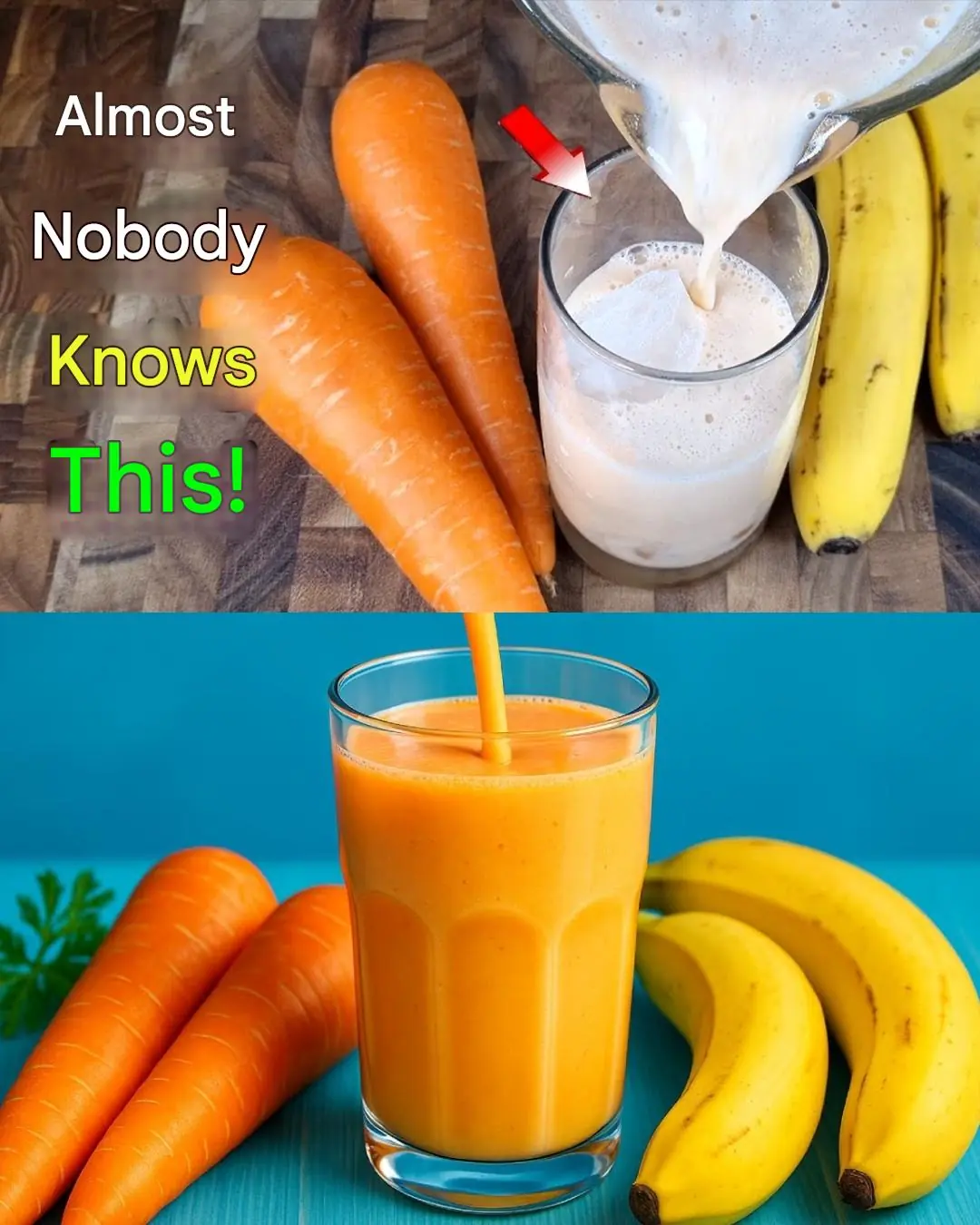
This Juice Revived My Grandma’s Energy — Say Goodbye to Fatigue and Body Pain with This Natural Recipe
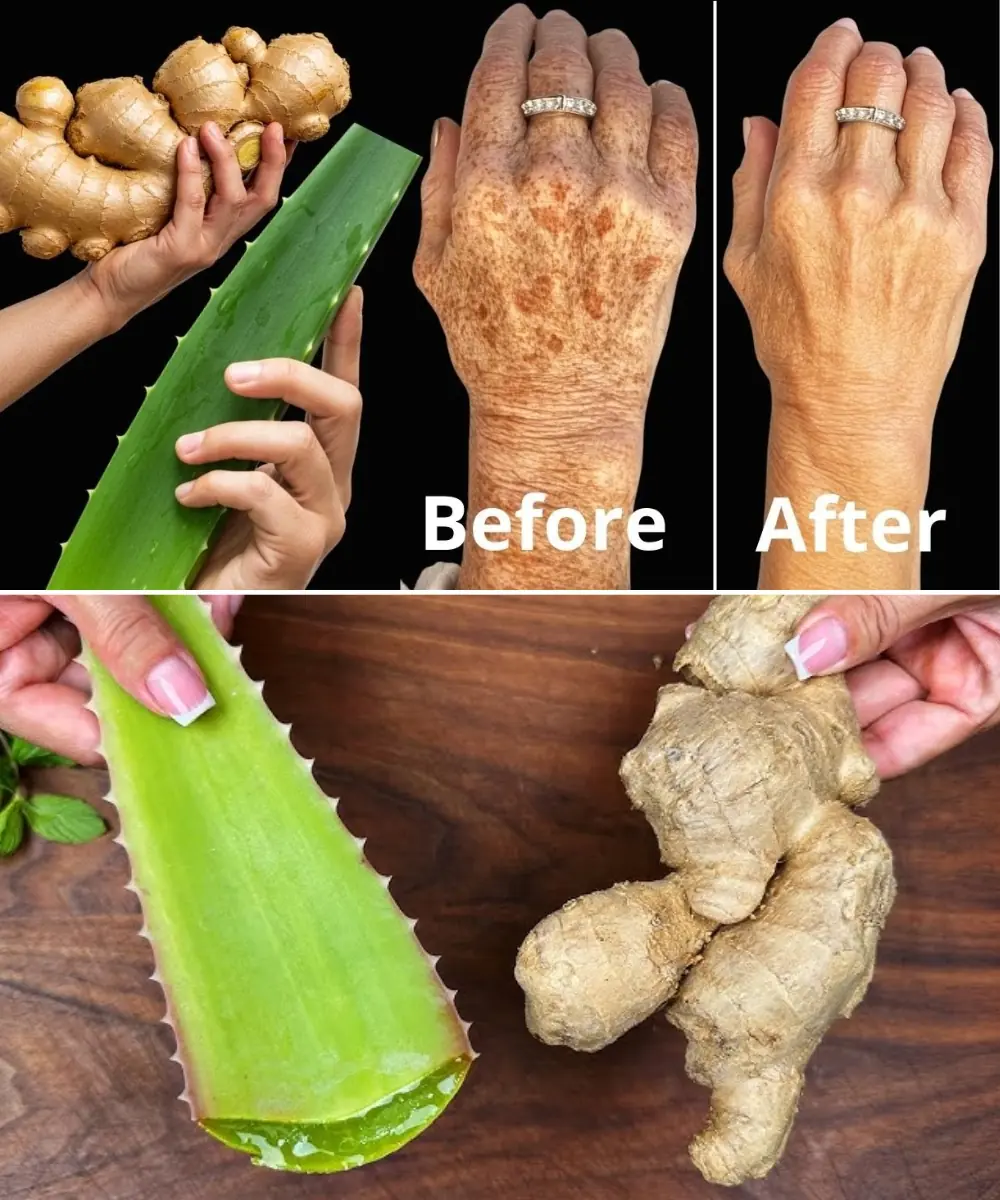
I’m 66 but Look 36 — My Secret? Aloe Vera & Ginger for Firm, Smooth Skin
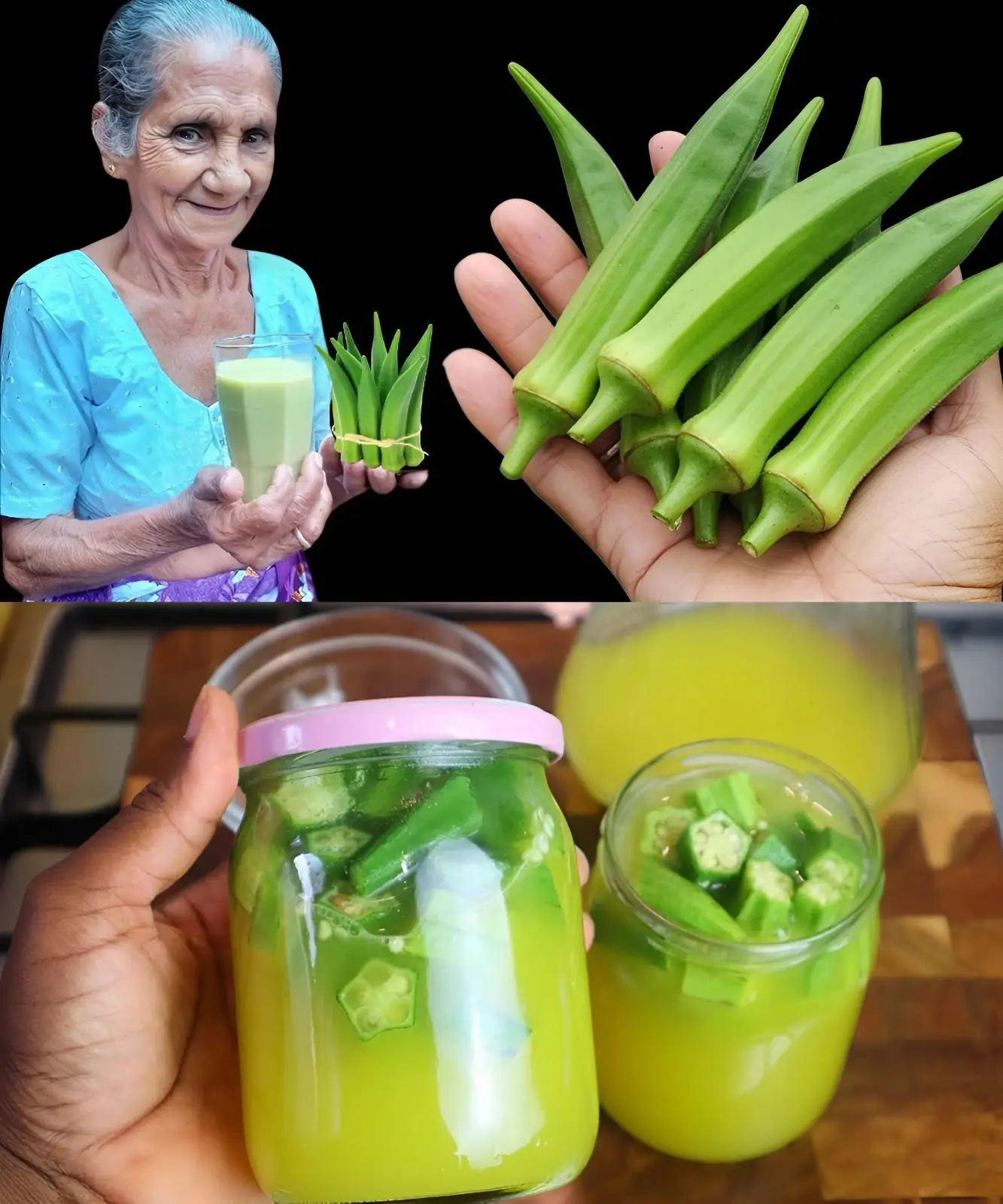
How to Make Okra Water to Treat 17 Health Problems Naturally

Banana and Egg Mask to Look Younger Even in Your 80s
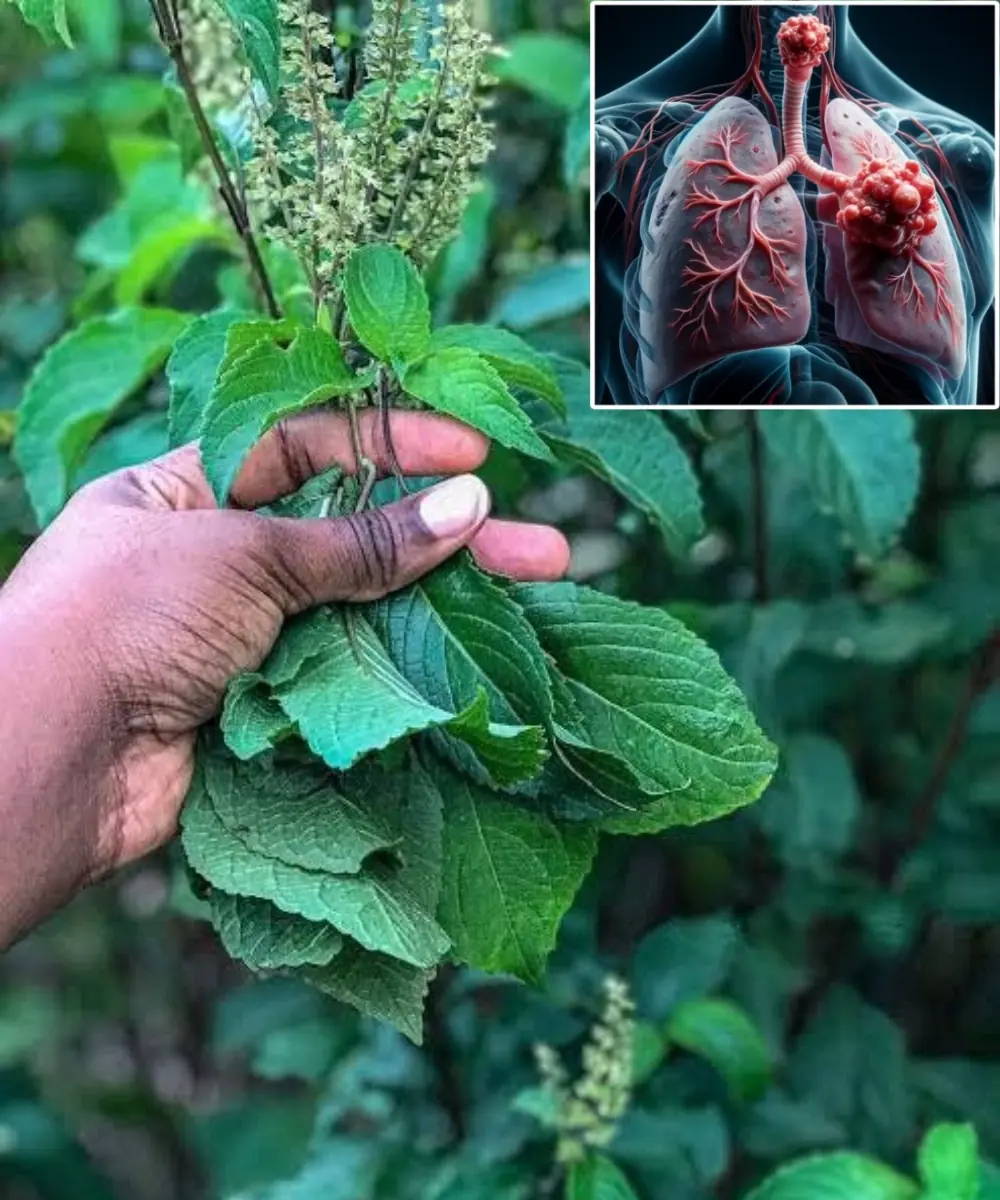
Scent Leaf Secrets Unveiled: 10 Surprising Health Benefits of This Miracle Herb

From White Hair to Black Hair Naturally in Just 5 Minutes — Fast Hair Growth Remedy

Boost Your Immune System Year-Round with Garlic, Onion, and Lemon
When You Start Eating 2 Eggs Every Day, Here’s What Happens to Your Body (Is It BAD??)

13 Warning Signs Your Kidneys Are Failing – Don’t Ignore These Symptoms

Save Your Heart: 8 Foods to Naturally Lower Cholesterol

Silent Signs of Artery Blockages Seniors Can’t Ignore
News Post

WHAT HAPPENS WHEN WE TONGUE KISS…See more
Fitness 30/10/2025 13:23
Nature’s Secret: 4 Healing Leaves That Support Metabolism, Immunity & Circulation Naturally
Healthy 27/10/2025 19:23
Don’t Drink Coconut Water Before You Know These 11 Secrets!
Healthy 27/10/2025 19:21
Pumpkin Seed Milk — The Natural Parasite Cleanser
Healthy 27/10/2025 19:19
Fast Rice Water Trick for a Brighter Smile
Healthy 26/10/2025 22:42
Morning Drink to Revive Your Kidneys Fast
Healthy 26/10/2025 22:38
The Onion Recipe That Could Transform Your Blood Sugar, Support Cleaner Arteries, and Protect Your Heart!
Healthy 26/10/2025 22:37
Top 4 Fruits That Help Your Kidneys Flush Out Toxins While You Sleep
Healthy 26/10/2025 22:35
Ginger, Clove, and Honey: The Natural Trio Your Body Will Thank You For
Healthy 26/10/2025 19:06
Heal 15 Years of Joint Pain Naturally with Turmeric and Honey Tea
Healthy 26/10/2025 19:04
This Juice Revived My Grandma’s Energy — Say Goodbye to Fatigue and Body Pain with This Natural Recipe
Healthy 26/10/2025 19:02

The Benefits of Eating 2 Boiled Eggs Every Morning: Transform Your Health!
Health News 26/10/2025 01:57

If Your Kidneys Are in Danger, Your Body Will Send You These 8 Signals — Don’t Ignore Them
Health News 26/10/2025 01:54

The Surprising Effects of Avocado on Your Heart and Brain
Health News 26/10/2025 01:44

Ways to Get Over a Man Who Didn’t Value You
Fun Fact 26/10/2025 01:36
I’m 66 but Look 36 — My Secret? Aloe Vera & Ginger for Firm, Smooth Skin
Healthy 25/10/2025 19:44
How to Make Okra Water to Treat 17 Health Problems Naturally
Healthy 25/10/2025 19:42
Banana and Egg Mask to Look Younger Even in Your 80s
Healthy 25/10/2025 19:29
Scent Leaf Secrets Unveiled: 10 Surprising Health Benefits of This Miracle Herb
Healthy 25/10/2025 19:24
From White Hair to Black Hair Naturally in Just 5 Minutes — Fast Hair Growth Remedy
Healthy 25/10/2025 19:22