Healthy 2025-09-02 10:22:21
The Hidden Dangers of Cloves: What You Need to Know Before Using This Spice
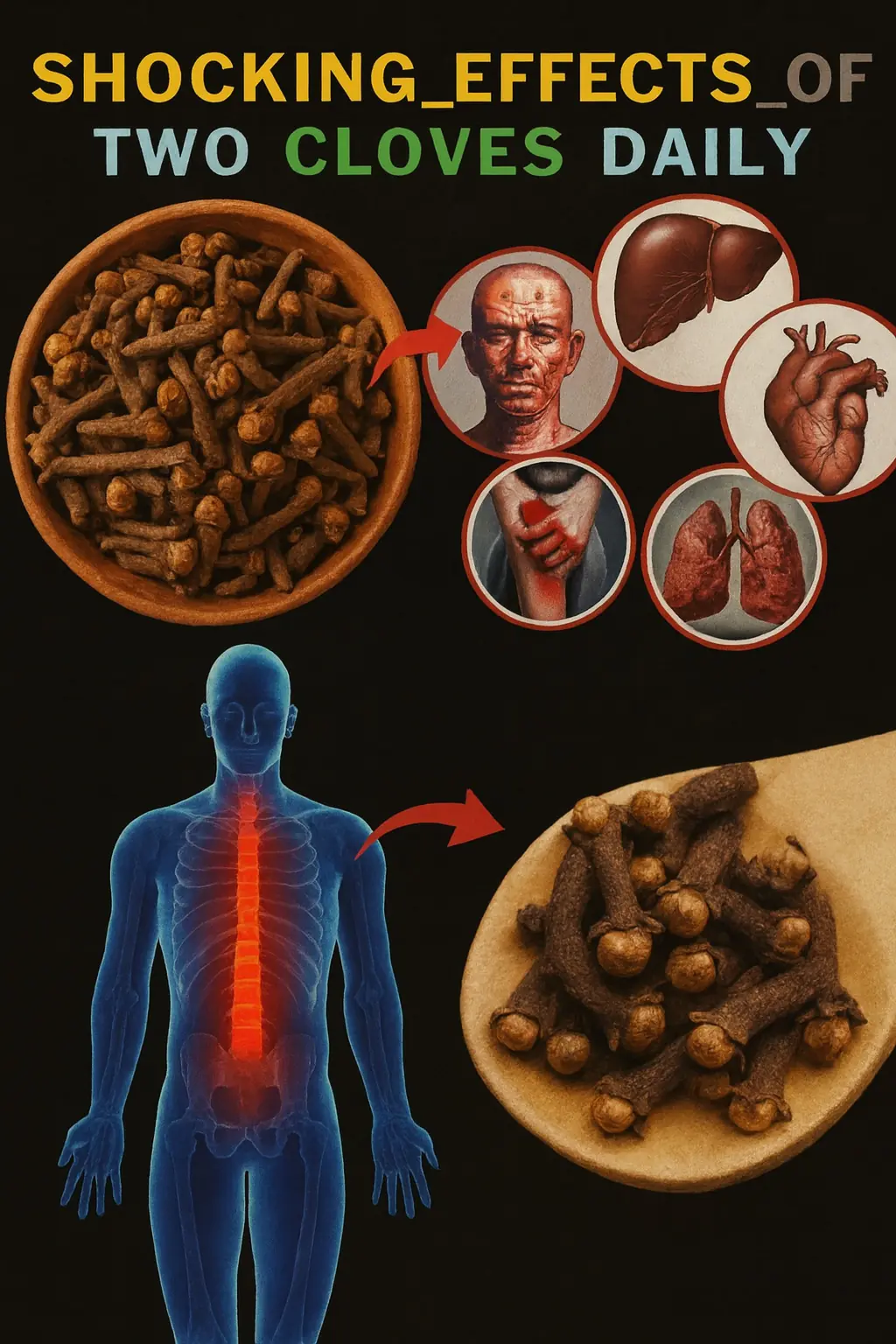
Cloves. The tiny, aromatic buds that transform your dishes with a warm, spicy kick. Celebrated for their bold flavor and hailed as a natural remedy packed with antioxidants, antimicrobial properties, and anti-inflammatory benefits, cloves seem like a kitchen superhero. From spicing up your morning chai to soothing a sore throat, their versatility is undeniable. But what if this beloved spice is secretly working against you?
The truth is, cloves aren’t the harmless wonder-spice they’re often made out to be. For some, they can trigger serious health issues, turning a pinch of flavor into a recipe for discomfort—or worse. If you’re reaching for cloves to elevate your cooking or harness their medicinal powers, hold on. This article uncovers the surprising risks of cloves and reveals why certain people should steer clear. Let’s dive into the hidden dangers of this potent spice and arm you with the knowledge to protect your health.
Why Cloves Aren’t Always Your Friend
Cloves owe their magic to eugenol, a powerful compound responsible for their distinctive aroma and health benefits. Eugenol is a natural antioxidant, fights bacteria, and reduces inflammation, making cloves a go-to for everything from dental pain relief to boosting immunity. But here’s the catch: that same eugenol can wreak havoc in certain situations. For some, cloves can aggravate existing conditions, interact with medications, or even cause new problems. Curious if you’re at risk? Keep reading to find out when this spice might do more harm than good.
1. Acid Reflux or GERD: A Recipe for Heartburn
🔥 If you’re battling acid reflux or gastroesophageal reflux disease (GERD), cloves might not be your ally. These conditions cause stomach acid to creep into the esophagus, leading to that all-too-familiar burning sensation. Cloves, with their ability to relax smooth muscles like the lower esophageal sphincter, can make matters worse. A relaxed sphincter allows acid to flow upward more easily, intensifying heartburn and discomfort.
For those with frequent acid reflux, even a small amount of cloves in your tea or curry could trigger symptoms. If you love the flavor but suspect GERD, consult your doctor before making cloves a staple. They may recommend avoiding them altogether or using them sparingly to keep your symptoms in check.
2. Blood Thinners and Bleeding Disorders: A Risky Mix
💉 Cloves’ eugenol has a lesser-known side effect: it acts as a natural blood thinner. This can benefit heart health by preventing clots, but it’s a red flag for anyone on blood-thinning medications like warfarin, aspirin, or clopidogrel. Combining cloves with these drugs could amplify their effects, increasing the risk of excessive bleeding. The same goes for those with bleeding disorders like hemophilia, where even minor cuts or bruises can become serious.
If you’re on blood thinners or have a clotting issue, cloves aren’t worth the risk. A sprinkle in your food might seem harmless, but the cumulative effect could lead to complications. Always check with your healthcare provider before incorporating cloves into your diet, especially if you’re managing these conditions.
3. Spice Allergies: An Unexpected Reaction
🤧 Allergic to eucalyptus or guava? You might want to think twice about cloves. As part of the Myrtaceae family, cloves can trigger allergic reactions in those sensitive to related plants. Symptoms can range from mild—think itching or a rash—to severe, like swelling or difficulty breathing. For some, even a small taste of cloves can set off an uncomfortable chain reaction.
If you have a history of spice allergies, proceed with caution. Test cloves in tiny amounts, like a pinch in a dish, and monitor for symptoms. If you notice any unusual reactions, stop using them immediately and seek medical advice. Your body will thank you for playing it safe.
4. Pregnancy and Breastfeeding: Proceed with Caution
🤰 Cloves are sometimes recommended for morning sickness due to their soothing properties, but they’re not a free pass for pregnant or breastfeeding women. In small culinary amounts, cloves are generally safe. However, large doses—especially in medicinal forms like clove oil—can pose risks. Eugenol may stimulate uterine contractions, which could be dangerous in early pregnancy. For breastfeeding moms, eugenol can pass into breast milk, potentially affecting your baby.
The takeaway? If you’re pregnant or nursing, stick to minimal amounts of cloves in food and avoid clove-based remedies unless guided by a healthcare professional. Safety always comes first for you and your little one.
5. Liver Conditions: A Hidden Threat
🧬 Eugenol, while beneficial in small doses, can be toxic to the liver when overconsumed. For those with liver conditions like fatty liver disease, hepatitis, or a history of liver damage, cloves—especially in concentrated forms like essential oil—could strain this vital organ. Overloading your liver with eugenol might worsen existing damage or slow its ability to recover.
If you have liver concerns, keep clove consumption to a minimum. Skip clove oil entirely and opt for whole cloves in moderation, if at all. Your doctor can help you determine a safe threshold based on your condition.
6. Stomach Ulcers or Gastritis: Irritation Alert
🧯 Cloves stimulate digestive enzymes, which can aid digestion for some. But for those with stomach ulcers or chronic gastritis, this stimulation can backfire. Cloves may irritate the stomach lining, leading to increased pain, burning, or acidity. If you’re already dealing with these conditions, that extra pinch of cloves in your soup could leave you wincing.
To avoid aggravating ulcers or gastritis, limit or eliminate cloves from your diet. Focus on soothing, non-irritating foods instead, and consult a gastroenterologist for personalized advice on managing your symptoms.
7. Low Blood Sugar: A Dangerous Drop
🩸 Cloves have blood sugar-regulating properties, which can be a boon for diabetics. But if you’re prone to hypoglycemia (low blood sugar), this effect could push your levels too low. Symptoms like dizziness, weakness, or even fainting can result, especially if you’re on medications that already lower blood sugar.
If you struggle with hypoglycemia, monitor your glucose closely when consuming cloves. A small amount in cooking is usually fine, but avoid clove-heavy remedies or supplements. When in doubt, talk to your doctor to ensure your blood sugar stays stable.
8. Kidney Conditions: A Strain to Avoid
🚱 For those with chronic kidney disease or other kidney issues, cloves—particularly in large doses or as essential oil—can be problematic. The kidneys work hard to filter toxins, and concentrated clove compounds may add unnecessary strain. Over time, this could worsen kidney function or complicate existing conditions.
If you have kidney concerns, limit clove intake and avoid clove oil entirely. Stick to mild, kidney-friendly spices, and check with your nephrologist for dietary recommendations tailored to your health.
9. Sensitive Skin and Clove Oil: Handle with Care
🚫 Clove oil is a powerhouse, but it’s not kind to sensitive skin. Applying it directly can cause burning, redness, or irritation, especially for those with delicate skin or conditions like eczema. Even worse, using undiluted clove oil on open wounds can lead to severe discomfort and potential complications.
Always dilute clove oil with a carrier oil, like coconut or olive oil, before applying it. Test a small patch of skin first to ensure you don’t react. If you have sensitive skin, consider skipping clove oil altogether and sticking to safer alternatives.
The Smart Way to Use Cloves
Cloves are a potent spice with undeniable benefits, but they’re not a one-size-fits-all solution. If you have any of the conditions listed above—reflux, bleeding disorders, allergies, pregnancy, liver or kidney issues, ulcers, low blood sugar, or sensitive skin—approach cloves with caution. Here’s how to stay safe:
Moderation is key. Use small amounts in cooking rather than medicinal doses.
Choose quality. Opt for high-quality whole cloves or trusted essential oils to avoid contaminants.
Consult a professional. When in doubt, talk to your doctor or a dietitian before adding cloves to your routine.
Listen to your body. If you notice discomfort after using cloves, stop and seek medical advice.
Final Thoughts: Knowledge is Power
🧠 Cloves may be natural, but they’re not always safe. Their potent compounds can work wonders for some but spell trouble for others. By understanding the risks and knowing your health status, you can make informed choices about when to embrace cloves—and when to pass. The smartest move? Stay curious, stay cautious, and prioritize your well-being. After all, a healthy you is the best ingredient in any recipe.
News in the same category

Don’t Drink Coconut Water Before You Know These 11 Secrets!
Pumpkin Seed Milk — The Natural Parasite Cleanser
Fast Rice Water Trick for a Brighter Smile
Morning Drink to Revive Your Kidneys Fast

The Onion Recipe That Could Transform Your Blood Sugar, Support Cleaner Arteries, and Protect Your Heart!

Top 4 Fruits That Help Your Kidneys Flush Out Toxins While You Sleep

Ginger, Clove, and Honey: The Natural Trio Your Body Will Thank You For
Heal 15 Years of Joint Pain Naturally with Turmeric and Honey Tea

This Juice Revived My Grandma’s Energy — Say Goodbye to Fatigue and Body Pain with This Natural Recipe
I’m 66 but Look 36 — My Secret? Aloe Vera & Ginger for Firm, Smooth Skin
How to Make Okra Water to Treat 17 Health Problems Naturally

Banana and Egg Mask to Look Younger Even in Your 80s

Scent Leaf Secrets Unveiled: 10 Surprising Health Benefits of This Miracle Herb

From White Hair to Black Hair Naturally in Just 5 Minutes — Fast Hair Growth Remedy

Boost Your Immune System Year-Round with Garlic, Onion, and Lemon
When You Start Eating 2 Eggs Every Day, Here’s What Happens to Your Body (Is It BAD??)

13 Warning Signs Your Kidneys Are Failing – Don’t Ignore These Symptoms

Save Your Heart: 8 Foods to Naturally Lower Cholesterol

Silent Signs of Artery Blockages Seniors Can’t Ignore
News Post

WHAT HAPPENS WHEN WE TONGUE KISS…See more
Fitness 30/10/2025 13:23
Nature’s Secret: 4 Healing Leaves That Support Metabolism, Immunity & Circulation Naturally
Healthy 27/10/2025 19:23
Don’t Drink Coconut Water Before You Know These 11 Secrets!
Healthy 27/10/2025 19:21
Pumpkin Seed Milk — The Natural Parasite Cleanser
Healthy 27/10/2025 19:19
Fast Rice Water Trick for a Brighter Smile
Healthy 26/10/2025 22:42
Morning Drink to Revive Your Kidneys Fast
Healthy 26/10/2025 22:38
The Onion Recipe That Could Transform Your Blood Sugar, Support Cleaner Arteries, and Protect Your Heart!
Healthy 26/10/2025 22:37
Top 4 Fruits That Help Your Kidneys Flush Out Toxins While You Sleep
Healthy 26/10/2025 22:35
Ginger, Clove, and Honey: The Natural Trio Your Body Will Thank You For
Healthy 26/10/2025 19:06
Heal 15 Years of Joint Pain Naturally with Turmeric and Honey Tea
Healthy 26/10/2025 19:04
This Juice Revived My Grandma’s Energy — Say Goodbye to Fatigue and Body Pain with This Natural Recipe
Healthy 26/10/2025 19:02

The Benefits of Eating 2 Boiled Eggs Every Morning: Transform Your Health!
Health News 26/10/2025 01:57

If Your Kidneys Are in Danger, Your Body Will Send You These 8 Signals — Don’t Ignore Them
Health News 26/10/2025 01:54

The Surprising Effects of Avocado on Your Heart and Brain
Health News 26/10/2025 01:44

Ways to Get Over a Man Who Didn’t Value You
Fun Fact 26/10/2025 01:36
I’m 66 but Look 36 — My Secret? Aloe Vera & Ginger for Firm, Smooth Skin
Healthy 25/10/2025 19:44
How to Make Okra Water to Treat 17 Health Problems Naturally
Healthy 25/10/2025 19:42
Banana and Egg Mask to Look Younger Even in Your 80s
Healthy 25/10/2025 19:29
Scent Leaf Secrets Unveiled: 10 Surprising Health Benefits of This Miracle Herb
Healthy 25/10/2025 19:24
From White Hair to Black Hair Naturally in Just 5 Minutes — Fast Hair Growth Remedy
Healthy 25/10/2025 19:22