Healthy 2025-02-16 16:49:05
Principles of Immobilization in Spinal Fracture First Aid
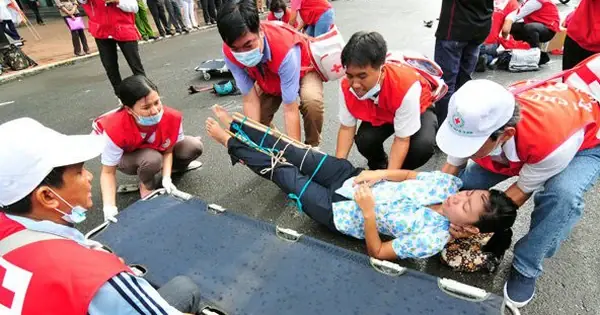
Proper immobilization is crucial when administering first aid to individuals with suspected spinal fractures. Incorrect handling can exacerbate injuries, potentially leading to severe complications. Adhering to the following guidelines ensures the victim's spine remains stable until professional medical assistance is available.
1. Causes and Symptoms of Spinal Fractures
Spinal fractures often result from significant trauma, such as traffic accidents, falls from heights, sports injuries, or violent incidents. Recognizing the signs of a spinal injury is essential for appropriate first aid. Common symptoms include:
-
Severe Neck or Back Pain: Intense discomfort, especially at a specific point along the spine.
-
Limited Mobility: Difficulty or inability to move the neck or back.
-
Spinal Deformity: Visible misalignment or abnormal posture.
-
Swelling and Bruising: Inflammation or discoloration at the injury site.
-
Neurological Signs: Numbness, weakness, paralysis, or loss of bladder and bowel control.
2. Principles of Immobilization
When a spinal injury is suspected, it's imperative to minimize movement and stabilize the spine. Key steps include:
-
Immediate Response: Call emergency services promptly.
-
Assessment: Check the victim's consciousness, breathing, and pulse.
-
Spinal Stabilization:
-
Cervical Spine: If a neck injury is suspected, keep the head and neck aligned with the body. Use a cervical collar or improvise with rolled towels or clothing placed on either side of the neck to prevent movement. Ensure the lower end of the support rests on the shoulders, and the upper end supports the jaw and back of the head.
-
Body Alignment: Place the victim on a firm surface, such as a rigid board. Secure the head, shoulders, pelvis, knees, and ankles to prevent shifting.
-
3. Precautions During First Aid
To prevent further harm:
-
Avoid Moving the Victim: Do not lift, carry, or reposition unless there's immediate danger (e.g., fire).
-
Proper Transport: If relocation is necessary, use a rigid stretcher. Ensure the head, neck, and spine remain aligned. Secure the victim to the stretcher to prevent movement.
-
Helmet Removal: If the victim is wearing a helmet, do not remove it, as this may worsen the injury.
-
Airway Management: If the victim is unconscious and not breathing, use the jaw-thrust maneuver to open the airway without tilting the head.
By following these immobilization principles, first responders can help prevent additional spinal damage and improve the victim's chances of recovery.
News in the same category

Don’t Drink Coconut Water Before You Know These 11 Secrets!
Pumpkin Seed Milk — The Natural Parasite Cleanser
Fast Rice Water Trick for a Brighter Smile
Morning Drink to Revive Your Kidneys Fast

The Onion Recipe That Could Transform Your Blood Sugar, Support Cleaner Arteries, and Protect Your Heart!
Top 4 Fruits That Help Your Kidneys Flush Out Toxins While You Sleep
Ginger, Clove, and Honey: The Natural Trio Your Body Will Thank You For
Heal 15 Years of Joint Pain Naturally with Turmeric and Honey Tea

This Juice Revived My Grandma’s Energy — Say Goodbye to Fatigue and Body Pain with This Natural Recipe
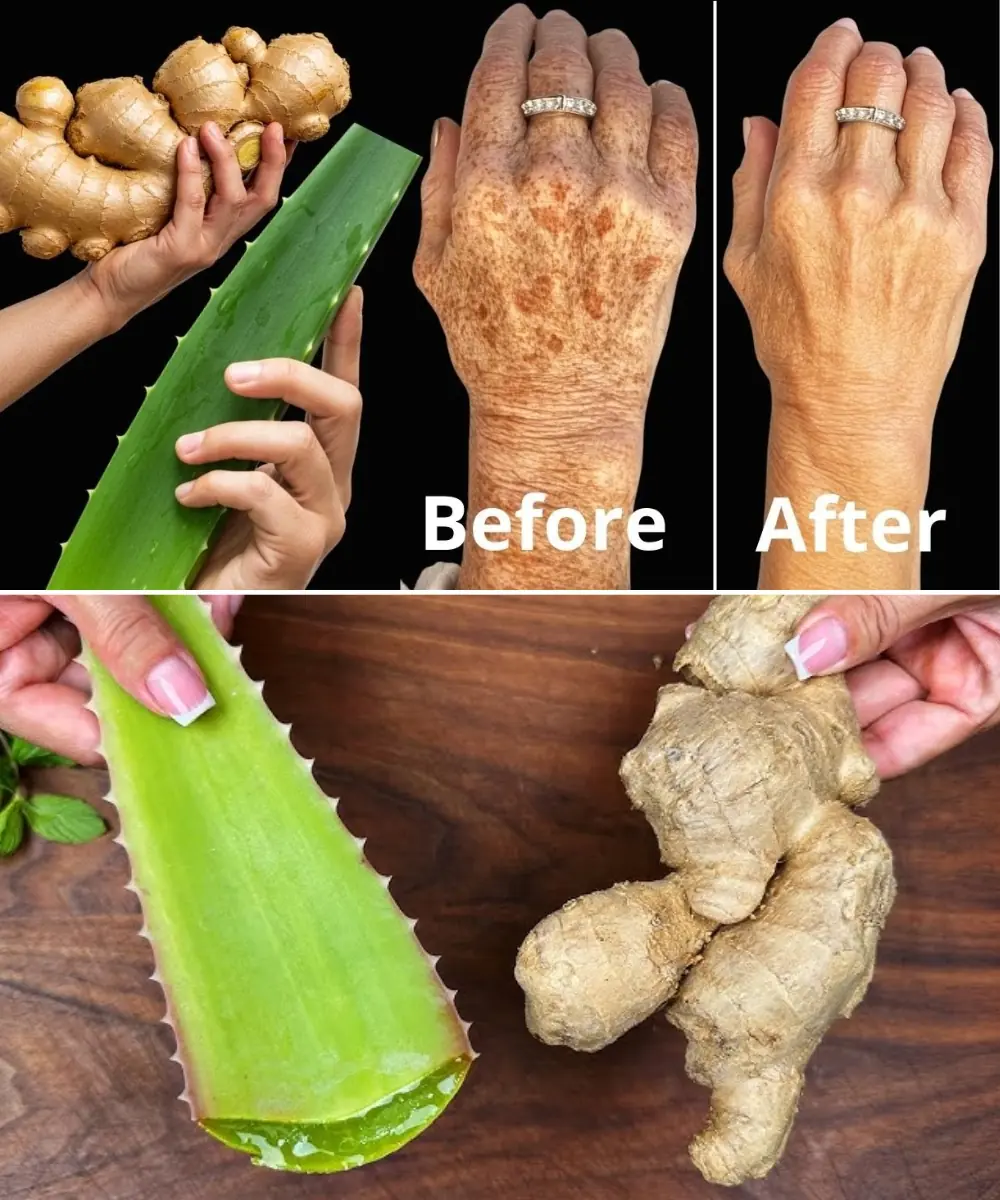
I’m 66 but Look 36 — My Secret? Aloe Vera & Ginger for Firm, Smooth Skin
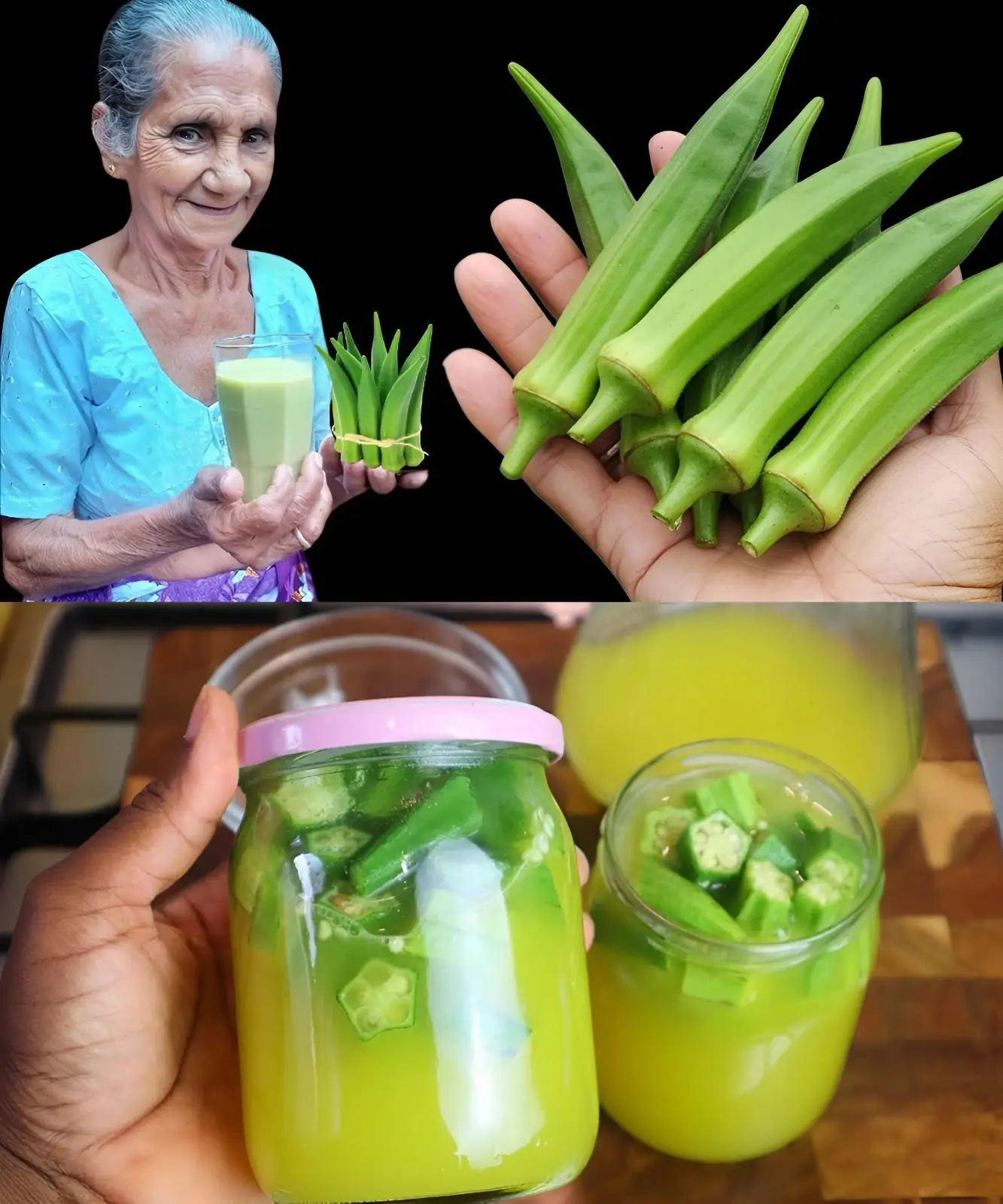
How to Make Okra Water to Treat 17 Health Problems Naturally

Banana and Egg Mask to Look Younger Even in Your 80s
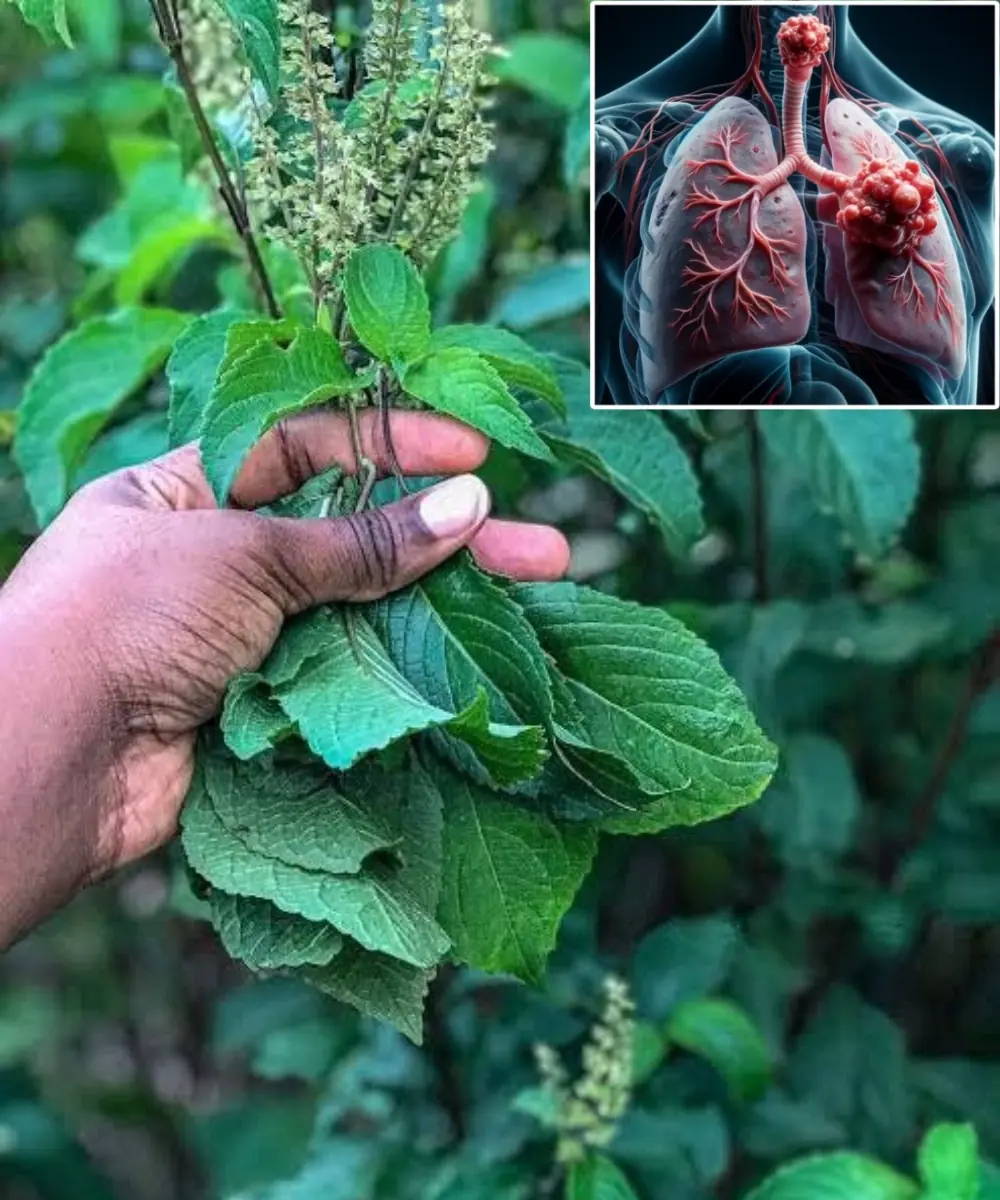
Scent Leaf Secrets Unveiled: 10 Surprising Health Benefits of This Miracle Herb
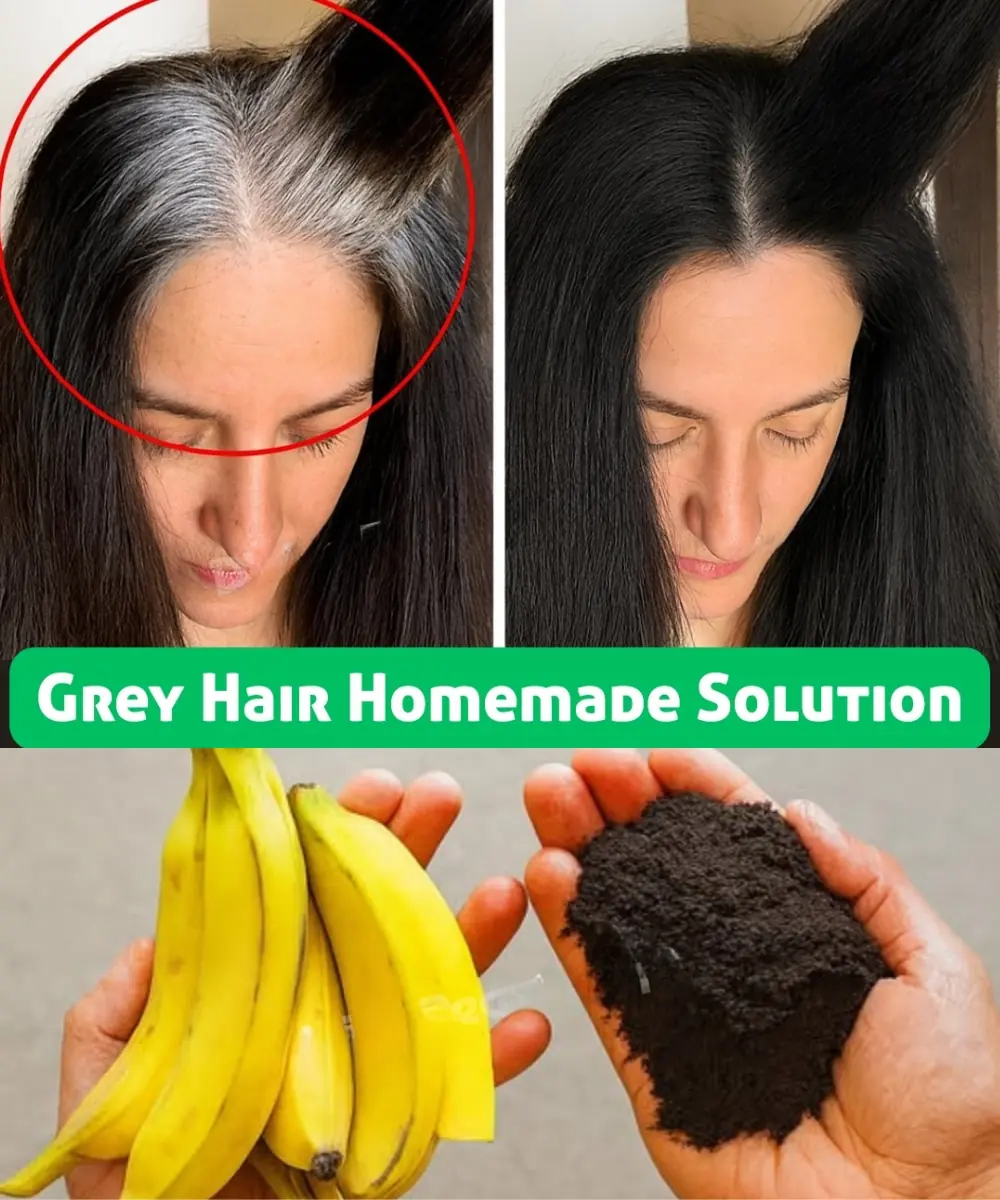
From White Hair to Black Hair Naturally in Just 5 Minutes — Fast Hair Growth Remedy
Boost Your Immune System Year-Round with Garlic, Onion, and Lemon
When You Start Eating 2 Eggs Every Day, Here’s What Happens to Your Body (Is It BAD??)
13 Warning Signs Your Kidneys Are Failing – Don’t Ignore These Symptoms

Save Your Heart: 8 Foods to Naturally Lower Cholesterol
Silent Signs of Artery Blockages Seniors Can’t Ignore
News Post

WHAT HAPPENS WHEN WE TONGUE KISS…See more
Fitness 30/10/2025 13:23
Nature’s Secret: 4 Healing Leaves That Support Metabolism, Immunity & Circulation Naturally
Healthy 27/10/2025 19:23
Don’t Drink Coconut Water Before You Know These 11 Secrets!
Healthy 27/10/2025 19:21
Pumpkin Seed Milk — The Natural Parasite Cleanser
Healthy 27/10/2025 19:19
Fast Rice Water Trick for a Brighter Smile
Healthy 26/10/2025 22:42
Morning Drink to Revive Your Kidneys Fast
Healthy 26/10/2025 22:38
The Onion Recipe That Could Transform Your Blood Sugar, Support Cleaner Arteries, and Protect Your Heart!
Healthy 26/10/2025 22:37
Top 4 Fruits That Help Your Kidneys Flush Out Toxins While You Sleep
Healthy 26/10/2025 22:35
Ginger, Clove, and Honey: The Natural Trio Your Body Will Thank You For
Healthy 26/10/2025 19:06
Heal 15 Years of Joint Pain Naturally with Turmeric and Honey Tea
Healthy 26/10/2025 19:04
This Juice Revived My Grandma’s Energy — Say Goodbye to Fatigue and Body Pain with This Natural Recipe
Healthy 26/10/2025 19:02

The Benefits of Eating 2 Boiled Eggs Every Morning: Transform Your Health!
Health News 26/10/2025 01:57

If Your Kidneys Are in Danger, Your Body Will Send You These 8 Signals — Don’t Ignore Them
Health News 26/10/2025 01:54

The Surprising Effects of Avocado on Your Heart and Brain
Health News 26/10/2025 01:44

Ways to Get Over a Man Who Didn’t Value You
Fun Fact 26/10/2025 01:36
I’m 66 but Look 36 — My Secret? Aloe Vera & Ginger for Firm, Smooth Skin
Healthy 25/10/2025 19:44
How to Make Okra Water to Treat 17 Health Problems Naturally
Healthy 25/10/2025 19:42
Banana and Egg Mask to Look Younger Even in Your 80s
Healthy 25/10/2025 19:29
Scent Leaf Secrets Unveiled: 10 Surprising Health Benefits of This Miracle Herb
Healthy 25/10/2025 19:24
From White Hair to Black Hair Naturally in Just 5 Minutes — Fast Hair Growth Remedy
Healthy 25/10/2025 19:22