Healthy 2025-10-01 22:31:27
Over 200 People Are Killed by the “World’s Deadliest Food” Every Year — But Nearly 500 Million Still Eat It

It feeds millions. It fuels economies. It’s a staple in diets across Africa, South America, and the Caribbean. And yet, this everyday root vegetable can be deadly.
Meet cassava — a humble, starchy tuber that sustains nearly 500 million people worldwide, but also earns the grim title of “the world’s deadliest food” when improperly prepared.
Every year, over 200 people die from cassava-related poisoning — and thousands more suffer permanent paralysis or neurological damage. Yet, paradoxically, it remains a lifeline for communities where food security is fragile.
How can a food be both so essential and so dangerous?
What Is Cassava?
Cassava (also known as yuca, not to be confused with yucca the ornamental plant) is a hardy, drought-resistant root vegetable native to South America. Its starchy flesh is a rich source of carbohydrates, making it a vital calorie source in tropical regions.
It comes in two main types:
- Sweet cassava – Lower in toxins, safer to eat with basic cooking.
- Bitter cassava – Contains high levels of cyanogenic glycosides, which release cyanide when consumed.
Fun fact: Tapioca pearls, garri, fufu, and cassava flour are all made from cassava.
Why Is Cassava Dangerous?
The danger lies in how it’s processed.
Bitter cassava naturally contains linamarin, a compound that converts into hydrogen cyanide when the plant cells are damaged (e.g., during peeling, grating, or chewing).
If not properly detoxified, eating bitter cassava can lead to:
- Acute cyanide poisoning – Symptoms include nausea, dizziness, rapid breathing, convulsions, and death within hours.
- Konzo – A paralyzing neurological disease affecting the legs, primarily seen in malnourished populations in Central Africa.
- Tropical ataxic neuropathy – A chronic condition causing blindness, deafness, and loss of coordination.
In fact, cassava is responsible for more cases of food-related cyanide poisoning worldwide than any other food crop, according to the World Health Organization.
How Does Poisoning Happen?
Cyanide poisoning from cassava is not random — it’s often the result of survival under extreme conditions:
- Drought or famine – Forces people to harvest cassava too early, when cyanide levels are highest.
- Lack of water – Prevents proper soaking and washing.
- Poverty and food insecurity – Limits access to diverse diets, making people reliant on a single, risky crop.
- Lack of knowledge or time – Traditional detox methods are skipped due to urgency.
In many cases, families eat cassava that hasn’t been soaked, fermented, dried, or cooked long enough to remove the toxins.
How to Make Cassava Safe to Eat
The good news? Cassava can be made completely safe through proper preparation. Traditional methods, passed down for generations, are remarkably effective at removing cyanide.
Safe Preparation Steps:
- Peel the root – Most toxins are concentrated in the skin.
- Soak in water for 1–3 days – Fermentation breaks down cyanide compounds.
- Grate and squeeze – Removes toxic liquid.
- Dry in the sun – Further reduces moisture and toxins.
- Cook thoroughly – Boiling, roasting, or frying neutralizes any remaining cyanide.
When these steps are followed, cassava is not only safe — it’s nutritious, providing energy, fiber, and small amounts of calcium, vitamin C, and B vitamins.
Why Do So Many People Still Eat It?
Despite the risks, cassava is a cornerstone of food security in many parts of the world because:
- It grows in poor soils and harsh climates where other crops fail.
- It’s high-yielding and low-cost.
- It can be stored in the ground for months, acting as a famine reserve.
- It’s incredibly versatile — used in bread, porridge, beer, and industrial products.
For millions, cassava isn’t a choice — it’s a necessity.
Efforts to Make Cassava Safer
Scientists and agricultural organizations are working to reduce the risks:
- Breeding low-cyanide varieties – Biofortified, safer strains are being introduced.
- Promoting processing education – Teaching communities safe preparation techniques.
- Developing rapid cyanide-testing kits – To check safety before consumption.
In Nigeria, the world’s largest cassava producer, government programs promote industrial processing to ensure safer, mass-produced cassava products.
Final Thoughts: A Food of Contradictions
Cassava is a paradox — a life-giving food that can also take life. It feeds half a billion people, yet kills over 200 each year. It’s a symbol of resilience, but also of vulnerability.
The tragedy isn’t that people eat cassava — it’s that too many are forced to eat it without the means to prepare it safely.
So the next time you enjoy tapioca pudding or a plate of fufu, remember:
This humble root is more than a meal.
It’s a story of survival, culture, and the high stakes of food safety.
Respect the power of cassava — and the knowledge that keeps it from becoming poison.
News in the same category
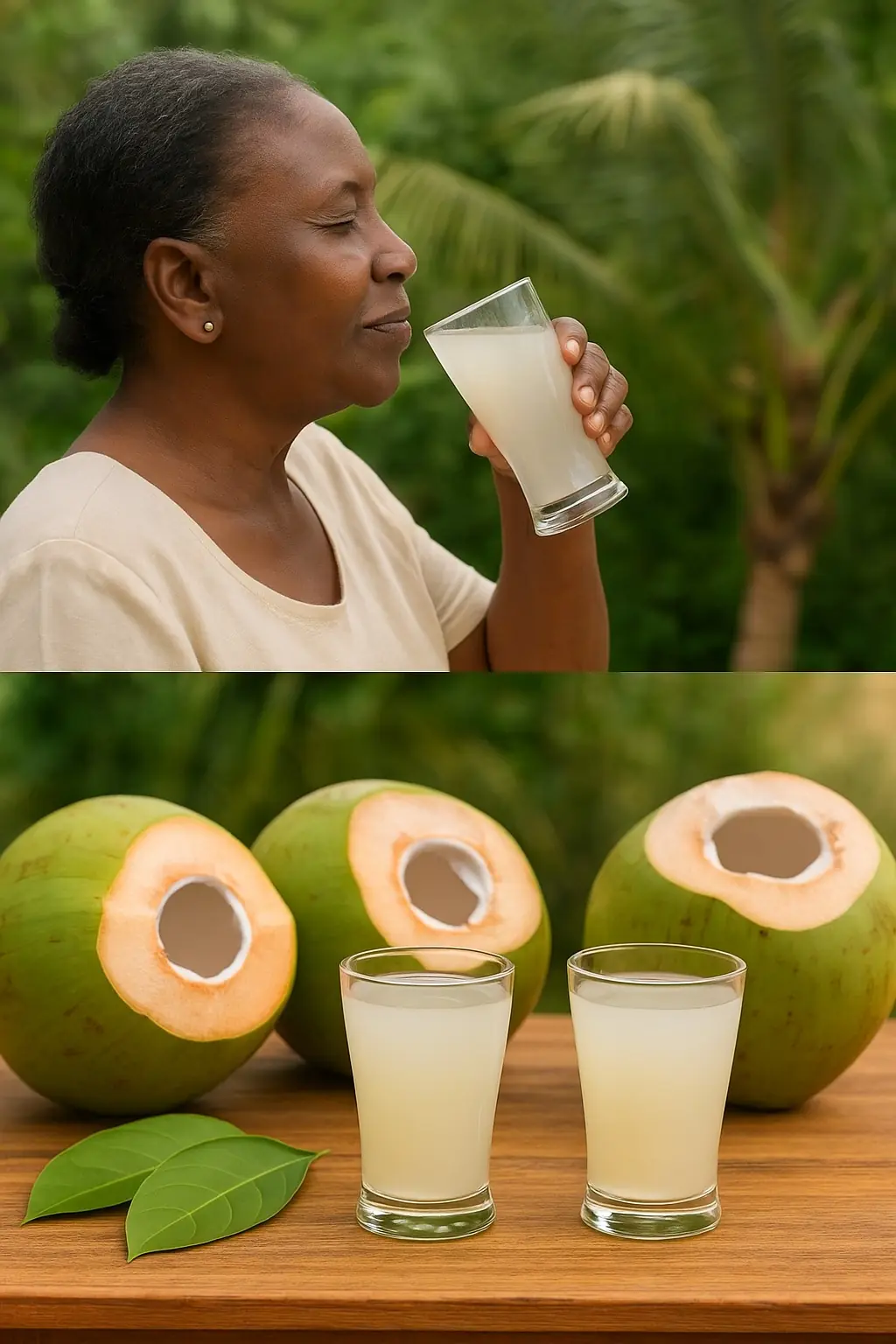
Don’t Drink Coconut Water Before You Know These 11 Secrets!
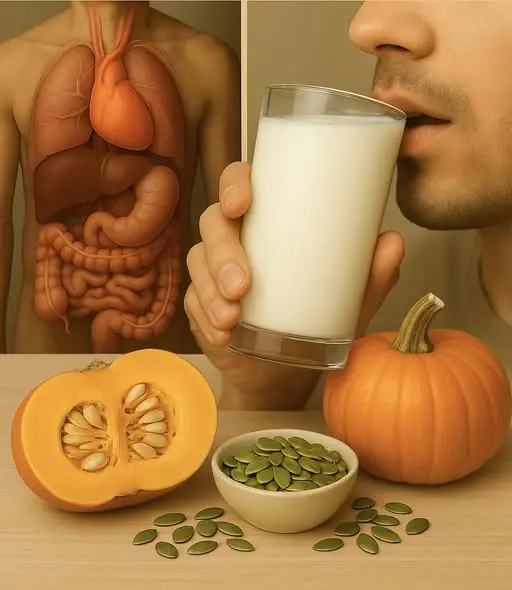
Pumpkin Seed Milk — The Natural Parasite Cleanser

Fast Rice Water Trick for a Brighter Smile
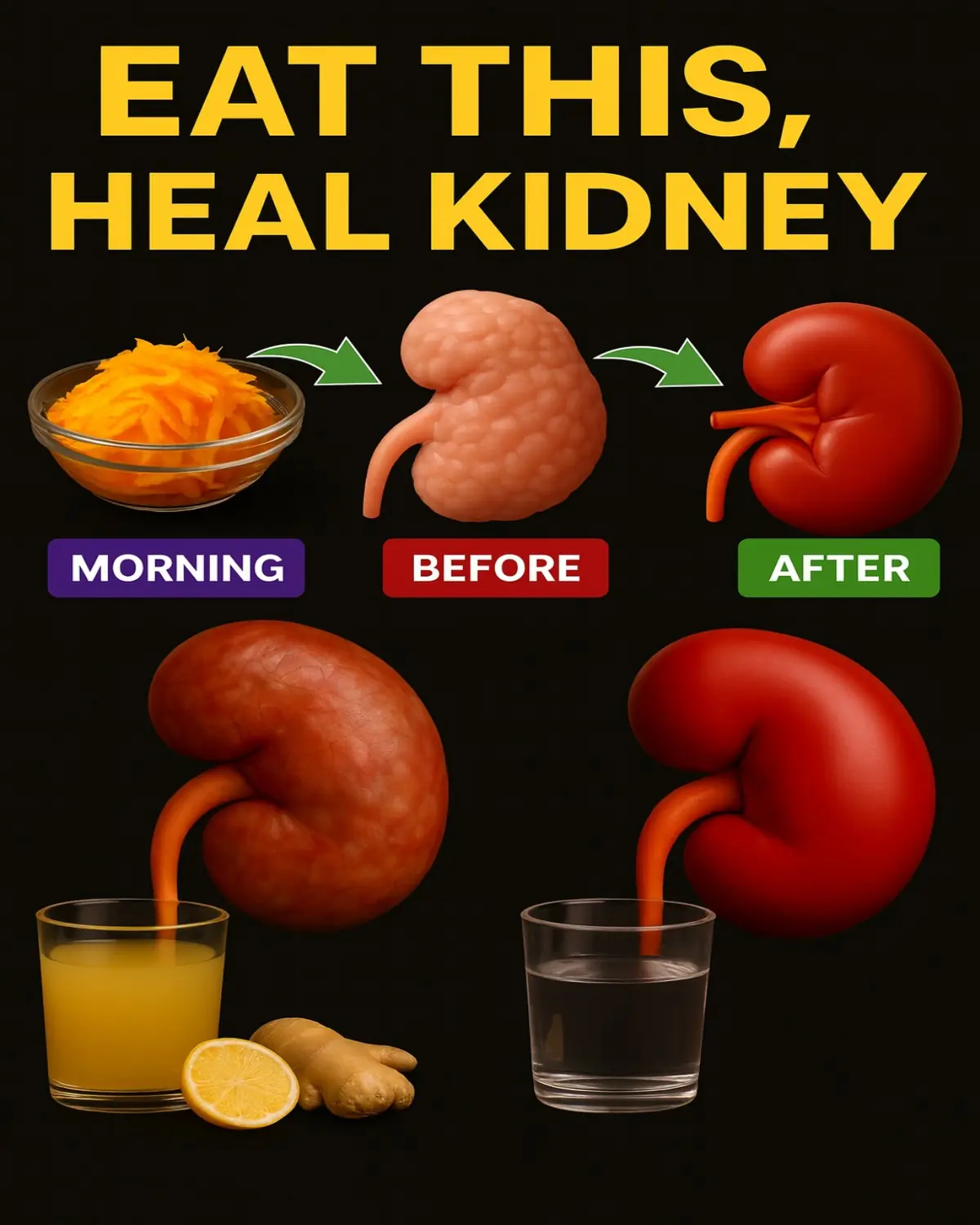
Morning Drink to Revive Your Kidneys Fast
The Onion Recipe That Could Transform Your Blood Sugar, Support Cleaner Arteries, and Protect Your Heart!

Top 4 Fruits That Help Your Kidneys Flush Out Toxins While You Sleep
Ginger, Clove, and Honey: The Natural Trio Your Body Will Thank You For
Heal 15 Years of Joint Pain Naturally with Turmeric and Honey Tea

This Juice Revived My Grandma’s Energy — Say Goodbye to Fatigue and Body Pain with This Natural Recipe
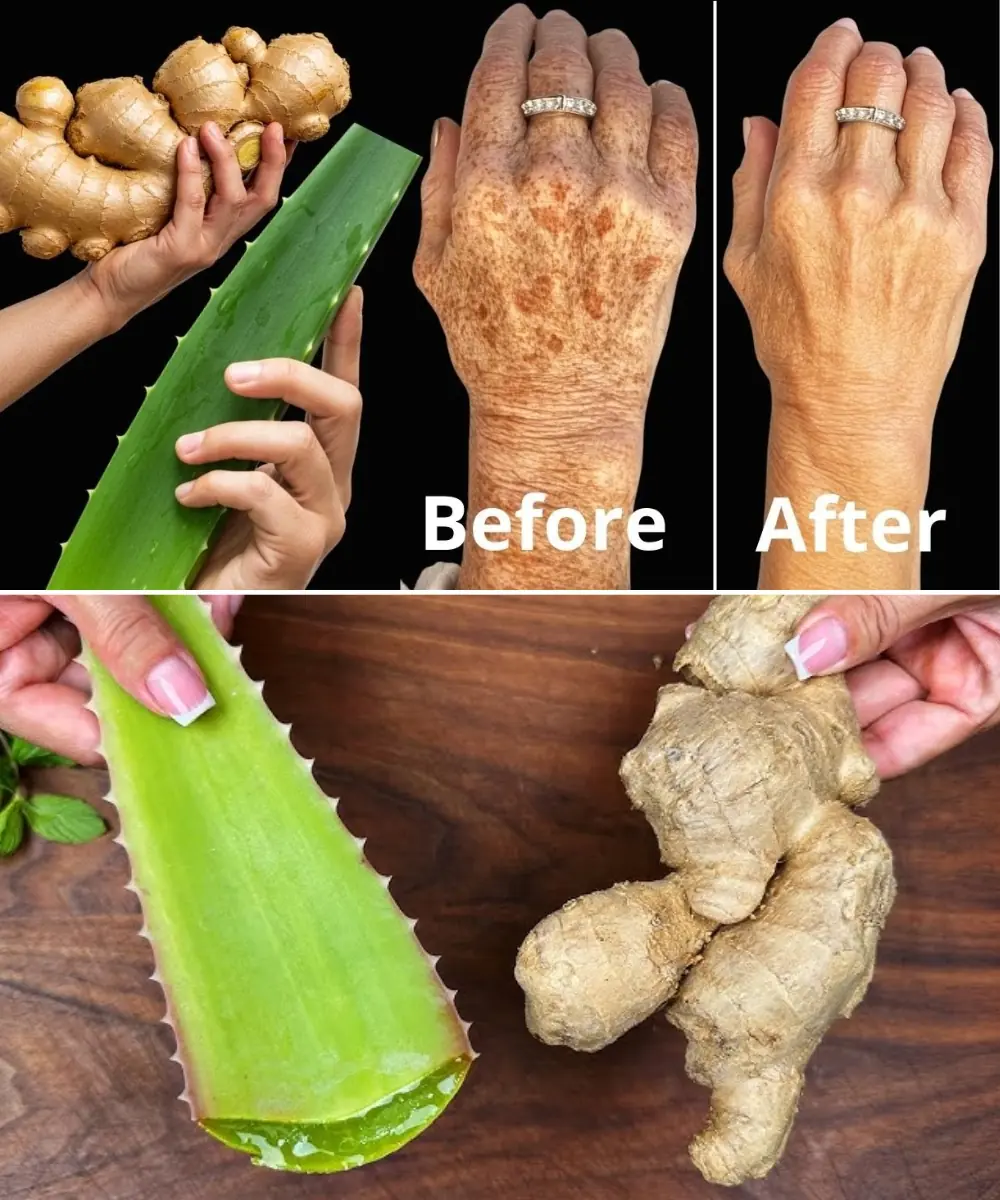
I’m 66 but Look 36 — My Secret? Aloe Vera & Ginger for Firm, Smooth Skin
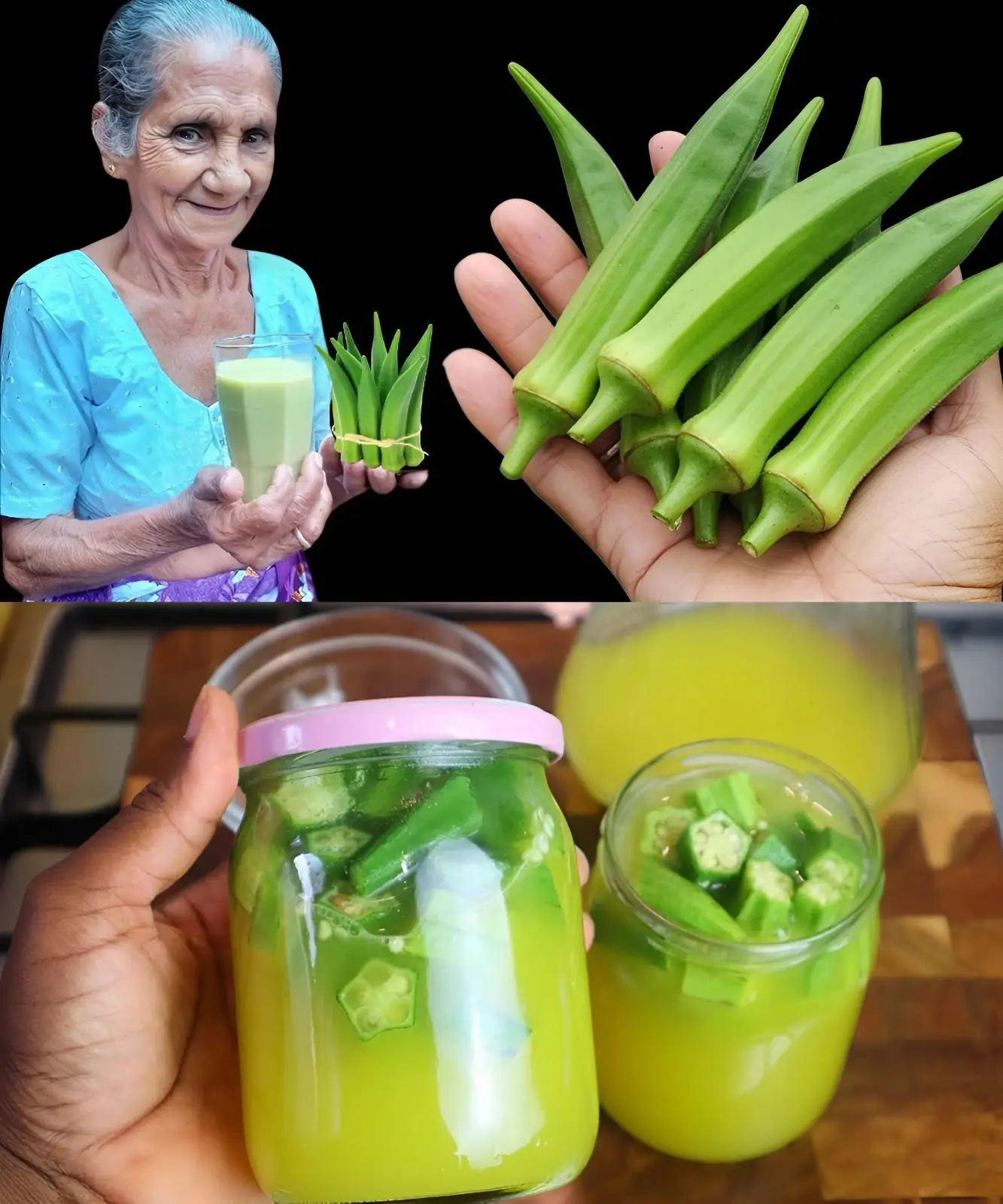
How to Make Okra Water to Treat 17 Health Problems Naturally

Banana and Egg Mask to Look Younger Even in Your 80s
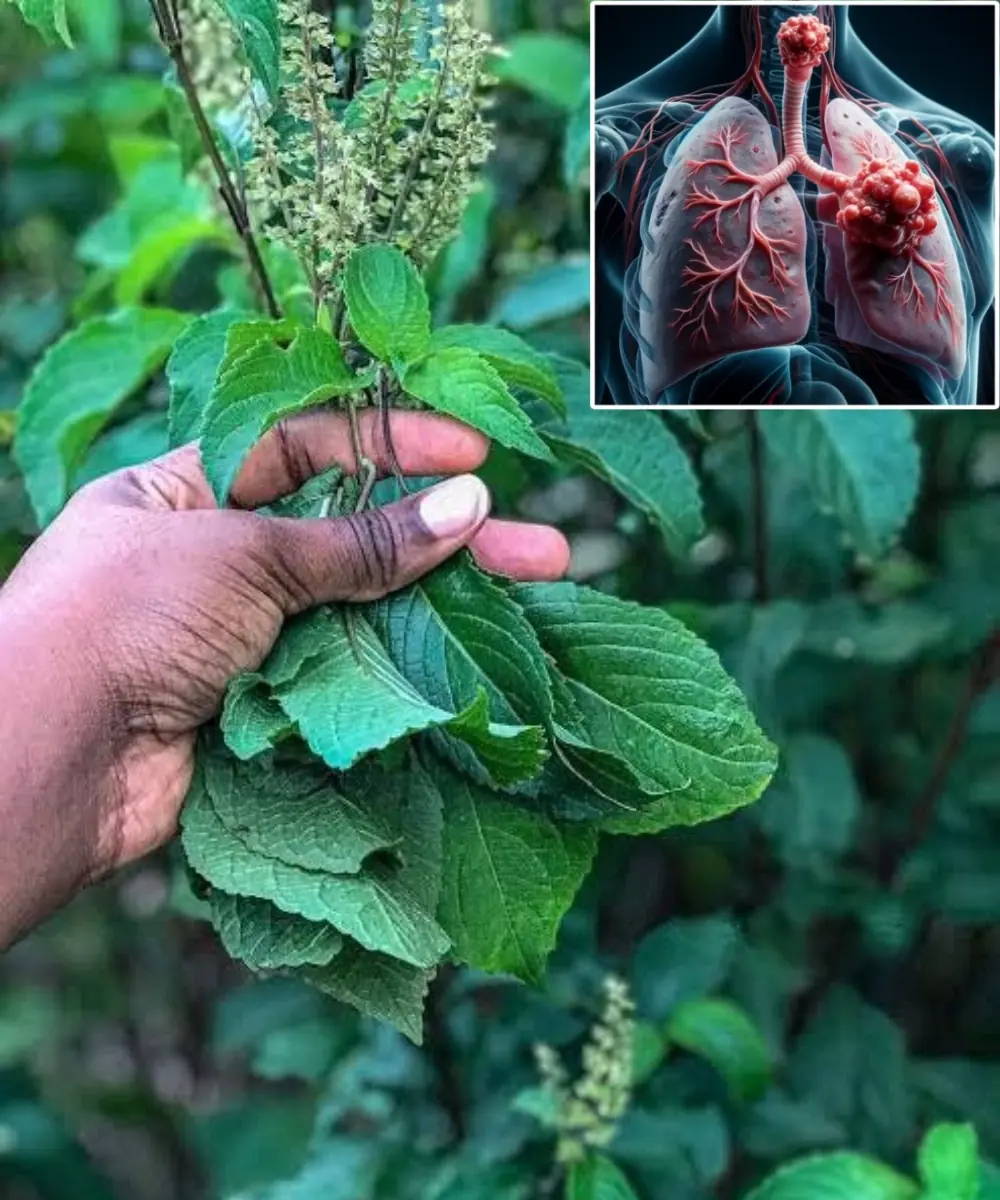
Scent Leaf Secrets Unveiled: 10 Surprising Health Benefits of This Miracle Herb

From White Hair to Black Hair Naturally in Just 5 Minutes — Fast Hair Growth Remedy

Boost Your Immune System Year-Round with Garlic, Onion, and Lemon
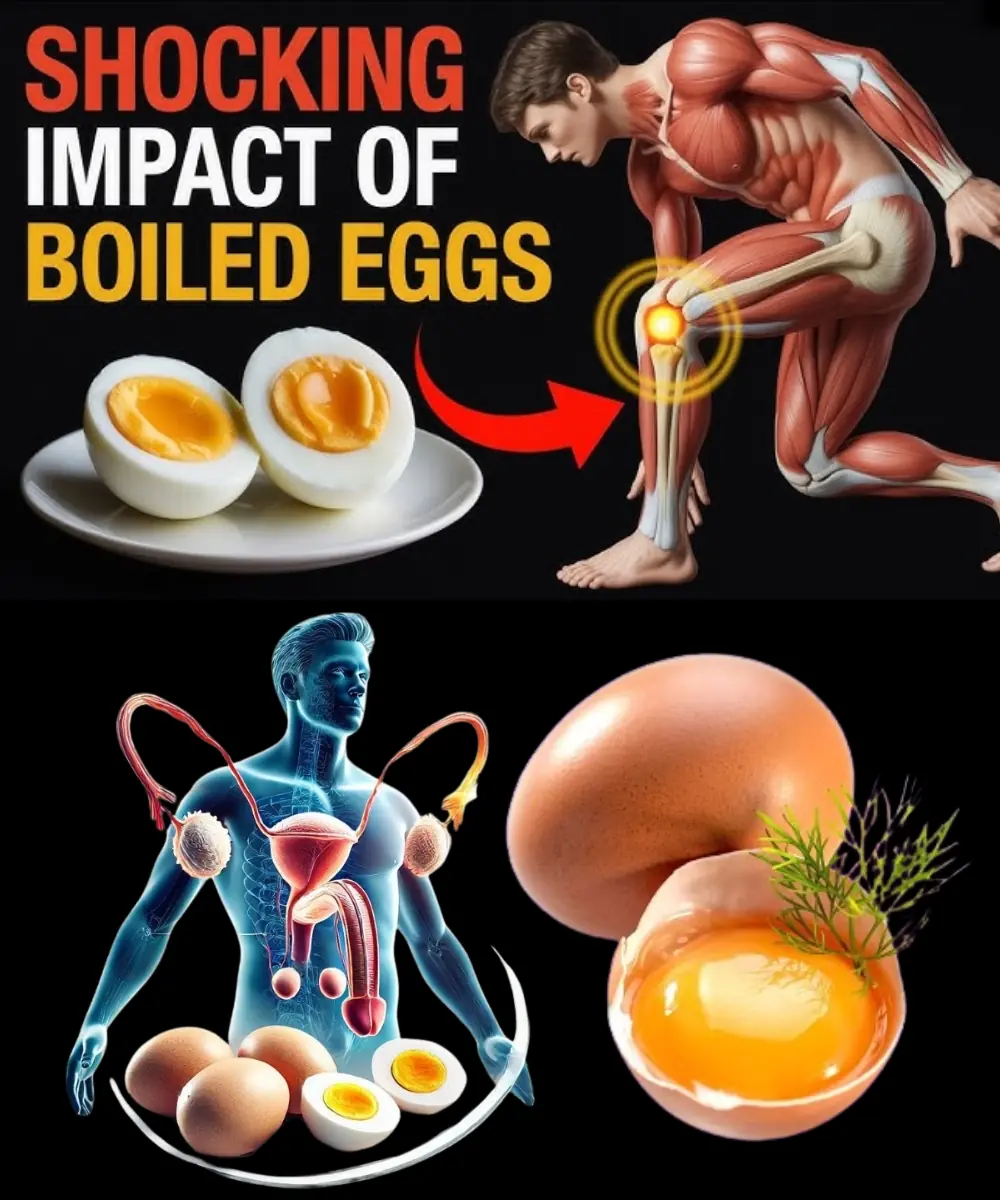
When You Start Eating 2 Eggs Every Day, Here’s What Happens to Your Body (Is It BAD??)

13 Warning Signs Your Kidneys Are Failing – Don’t Ignore These Symptoms

Save Your Heart: 8 Foods to Naturally Lower Cholesterol

Silent Signs of Artery Blockages Seniors Can’t Ignore
News Post

WHAT HAPPENS WHEN WE TONGUE KISS…See more
Fitness 30/10/2025 13:23
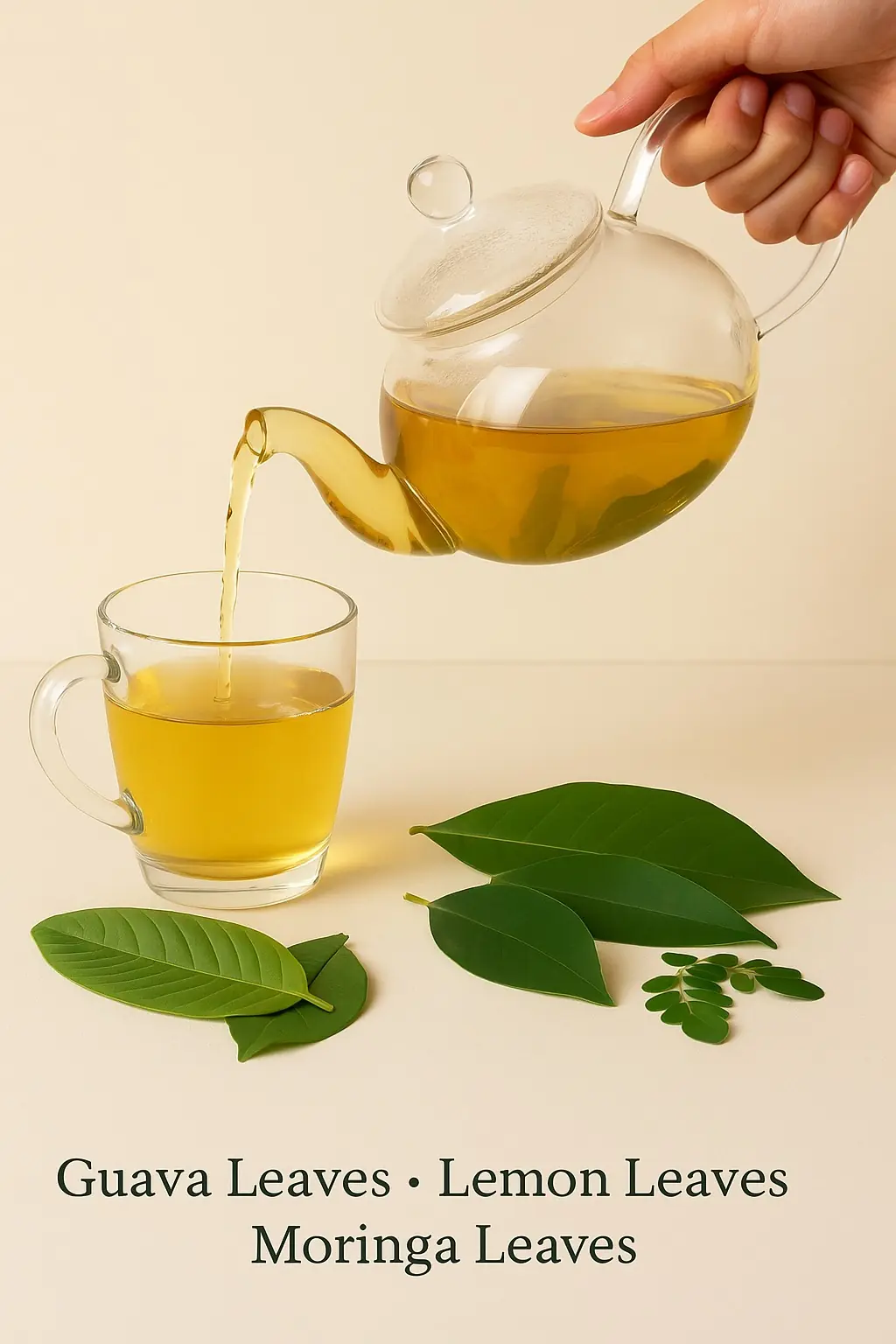
Nature’s Secret: 4 Healing Leaves That Support Metabolism, Immunity & Circulation Naturally
Healthy 27/10/2025 19:23
Don’t Drink Coconut Water Before You Know These 11 Secrets!
Healthy 27/10/2025 19:21
Pumpkin Seed Milk — The Natural Parasite Cleanser
Healthy 27/10/2025 19:19
Fast Rice Water Trick for a Brighter Smile
Healthy 26/10/2025 22:42
Morning Drink to Revive Your Kidneys Fast
Healthy 26/10/2025 22:38
The Onion Recipe That Could Transform Your Blood Sugar, Support Cleaner Arteries, and Protect Your Heart!
Healthy 26/10/2025 22:37
Top 4 Fruits That Help Your Kidneys Flush Out Toxins While You Sleep
Healthy 26/10/2025 22:35
Ginger, Clove, and Honey: The Natural Trio Your Body Will Thank You For
Healthy 26/10/2025 19:06
Heal 15 Years of Joint Pain Naturally with Turmeric and Honey Tea
Healthy 26/10/2025 19:04
This Juice Revived My Grandma’s Energy — Say Goodbye to Fatigue and Body Pain with This Natural Recipe
Healthy 26/10/2025 19:02

The Benefits of Eating 2 Boiled Eggs Every Morning: Transform Your Health!
Health News 26/10/2025 01:57

If Your Kidneys Are in Danger, Your Body Will Send You These 8 Signals — Don’t Ignore Them
Health News 26/10/2025 01:54

The Surprising Effects of Avocado on Your Heart and Brain
Health News 26/10/2025 01:44

Ways to Get Over a Man Who Didn’t Value You
Fun Fact 26/10/2025 01:36
I’m 66 but Look 36 — My Secret? Aloe Vera & Ginger for Firm, Smooth Skin
Healthy 25/10/2025 19:44
How to Make Okra Water to Treat 17 Health Problems Naturally
Healthy 25/10/2025 19:42
Banana and Egg Mask to Look Younger Even in Your 80s
Healthy 25/10/2025 19:29
Scent Leaf Secrets Unveiled: 10 Surprising Health Benefits of This Miracle Herb
Healthy 25/10/2025 19:24
From White Hair to Black Hair Naturally in Just 5 Minutes — Fast Hair Growth Remedy
Healthy 25/10/2025 19:22