Japan’s Ingenious Cardboard Beds: Dignity and Design in Times of Disaster
Hot News 25/10/2025 14:44
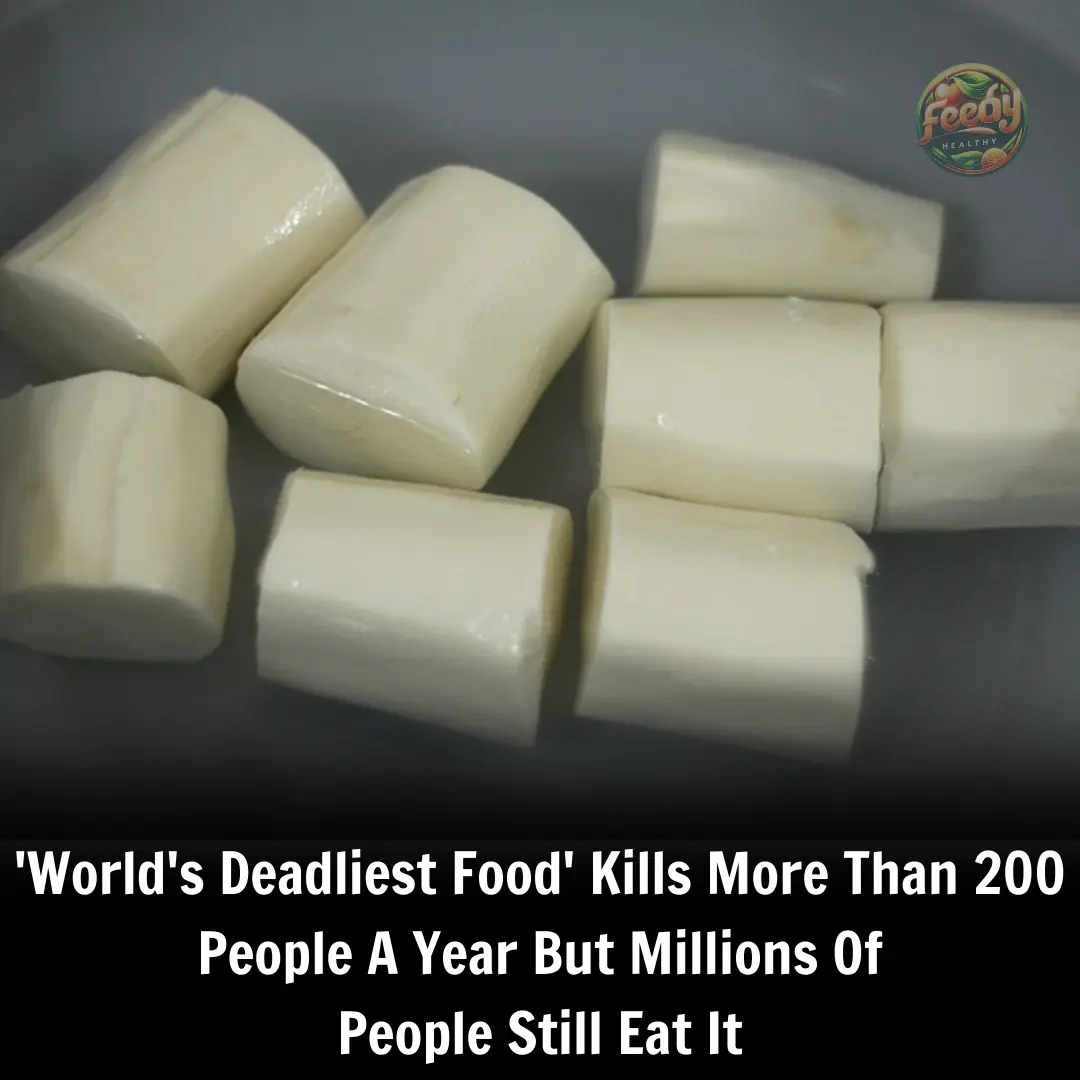
Across the globe, there are countless foods known for their rich flavors or quick-filling qualities — but few are as dangerously deceptive as cassava. Despite its potential to kill, this root crop continues to feed nearly half a billion people every year.
So, what makes this everyday food so lethal?
Cassava, also known as yuca or manioc, is a drought-resistant plant that thrives in tropical regions. Indigenous to South America, it’s now a dietary staple in parts of Africa, Asia, and Latin America. Each year, hundreds of millions of tonnes of cassava are harvested to feed communities living in poverty or food-scarce regions.
But beneath its starchy surface lies a hidden danger: cassava contains naturally occurring toxins that can be fatal if improperly prepared.
The danger lies in cassava’s stems, peel, and leaves — all of which contain cyanogenic glucosides. When ingested, these compounds can release hydrogen cyanide, a highly toxic substance.
The World Health Organization (WHO) warns that improper processing can lead to acute cyanide poisoning, sometimes with fatal consequences. Approximately 200 people die every year from eating inadequately prepared cassava — a tragic statistic that earns the root its ominous nickname: "The World’s Deadliest Food."
“Cassava tubers contain varying levels of cyanogenic glucosides, which protect the root from animals and insects,” the WHO explains. “When not processed correctly, high dietary cyanide exposure occurs — particularly during times of famine and war.”
Cassava is also associated with Konzo, a disabling neurological condition that causes irreversible paralysis of the legs. It is often triggered by repeated exposure to cyanide from bitter cassava combined with a low-protein diet — a common reality in impoverished communities.
Konzo outbreaks typically occur during food shortages, when people rely on poorly processed cassava to survive.
Despite its risks, cassava remains essential to survival for millions. Its ability to grow in poor soil, resist drought, and provide quick calories makes it a lifeline in areas suffering from food insecurity.
In countries like Venezuela, where economic collapse and famine have left people desperate, cassava has become a last resort — sometimes with fatal consequences. As reported by El País, families turned to cassava and salty survival foods during food shortages, unknowingly putting themselves at risk.
Luckily, cassava can be made safe — but it requires proper preparation:
Peeling and thoroughly washing the root
Soaking it in water for up to 24–48 hours
Boiling or cooking thoroughly to break down toxins
Avoiding consumption of raw or undercooked cassava, especially the bitter varieties
These traditional methods reduce the cyanide content significantly, making cassava safe for regular consumption.
Cassava is a vital survival crop — but one with a deadly catch. In the hands of informed communities, it’s a lifeline. In moments of crisis, it can become a silent killer.
With better awareness, education, and food security, cassava doesn't have to live up to its deadly reputation.