Healthy 2025-10-06 13:50:44
Eggs and Brain Health: What Science Says About Memory, Choline, and Cognitive Support
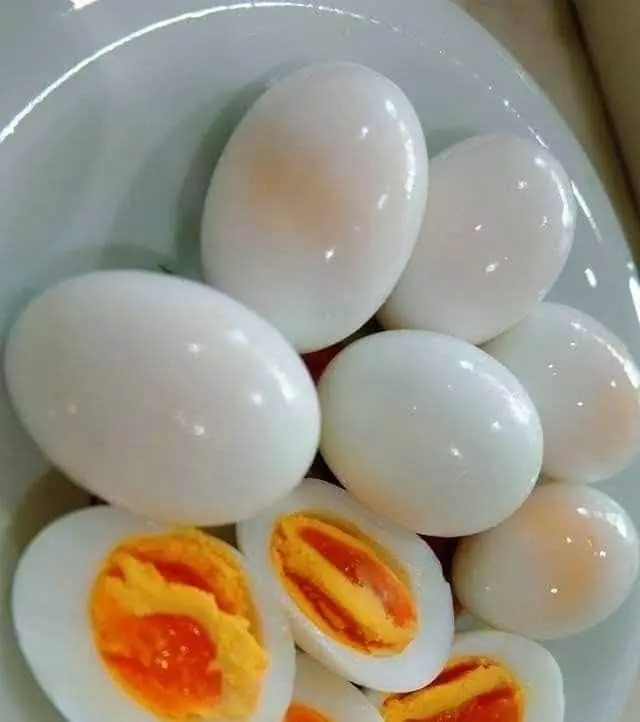
They’re affordable.
They cook fast. And they pack a powerful nutritional punch.
Eggs have long been a breakfast staple — but recent research suggests they may also play a supportive role in brain health, especially as we age.
Rich in essential nutrients like choline, lutein, and high-quality protein, eggs are gaining attention for their potential to support memory and slow age-related cognitive decline.
But here’s the truth: 👉 Eating eggs every day won’t “prevent Alzheimer’s.” But including them in a balanced diet can nourish your brain — one nutrient at a time.
Let’s explore what science really says about eggs and brain function — so you can make informed choices about your diet and long-term wellness.
🧠 Why Eggs Are Good for Your Brain (The Science)
While no single food can stop neurodegenerative diseases like Alzheimer’s, certain nutrients found in eggs are linked to better brain health:
1. Choline – A Key Nutrient for Memory
- Eggs are one of the best natural sources of choline, a vitamin-like compound critical for brain development and function
- Choline helps produce acetylcholine, a neurotransmitter involved in memory, mood, and muscle control
- Low choline intake has been linked to increased risk of cognitive decline
📌 One large egg contains about 147 mg of choline — nearly 25% of the daily recommendation for adults.
💡 The National Academy of Medicine classifies choline as an essential nutrient — yet most people don’t get enough.
2. Lutein & Zeaxanthin – Antioxidants That Cross Into the Brain
- These carotenoids accumulate in the retina and brain tissue
- They act as antioxidants, protecting cells from oxidative stress and inflammation — key factors in aging brains
- Higher levels of lutein in the brain are associated with better cognitive performance in older adults
✅ Found in the yolk, making whole eggs (not just whites) valuable for brain support.
3. High-Quality Protein & B Vitamins
- Eggs provide all nine essential amino acids — building blocks for brain chemicals
- Rich in B12, B6, and folate, which help regulate homocysteine levels (high levels linked to dementia risk)
🔬 What Does the Research Say?
Several observational studies have explored the link between egg consumption and cognition:
✅ These findings are promising — but not proof that eggs prevent Alzheimer’s disease.
⚠️ Most evidence is observational, meaning researchers see a correlation — not cause-and-effect.
✅ How Many Eggs Should You Eat?
For most healthy adults:
- 1 whole egg per day is considered safe and nutritious
- Up to 6–7 eggs per week fits well within heart-healthy dietary patterns
🩺 People with diabetes or high cholesterol should discuss intake with their doctor — though recent guidelines show dietary cholesterol has less impact on blood cholesterol than once thought.
❌ Debunking the Myths
🍽️ Tips for Brain-Boosting Meals with Eggs
🍳 Try: Scrambled eggs with spinach, tomatoes, and a sprinkle of black pepper + turmeric.
Final Thoughts
You don’t need exotic superfoods to support your brain.
Sometimes, the most powerful nutrition comes from humble, everyday foods — like the simple egg.
It won’t “cure” or “prevent” Alzheimer’s. But as part of a diet rich in vegetables, whole grains, and healthy fats, it can contribute to long-term brain health.
So enjoy your omelet, boiled egg, or frittata — not because it’s a miracle food…
But because it’s nutritious, satisfying, and worth savoring — one bite at a time.
News in the same category
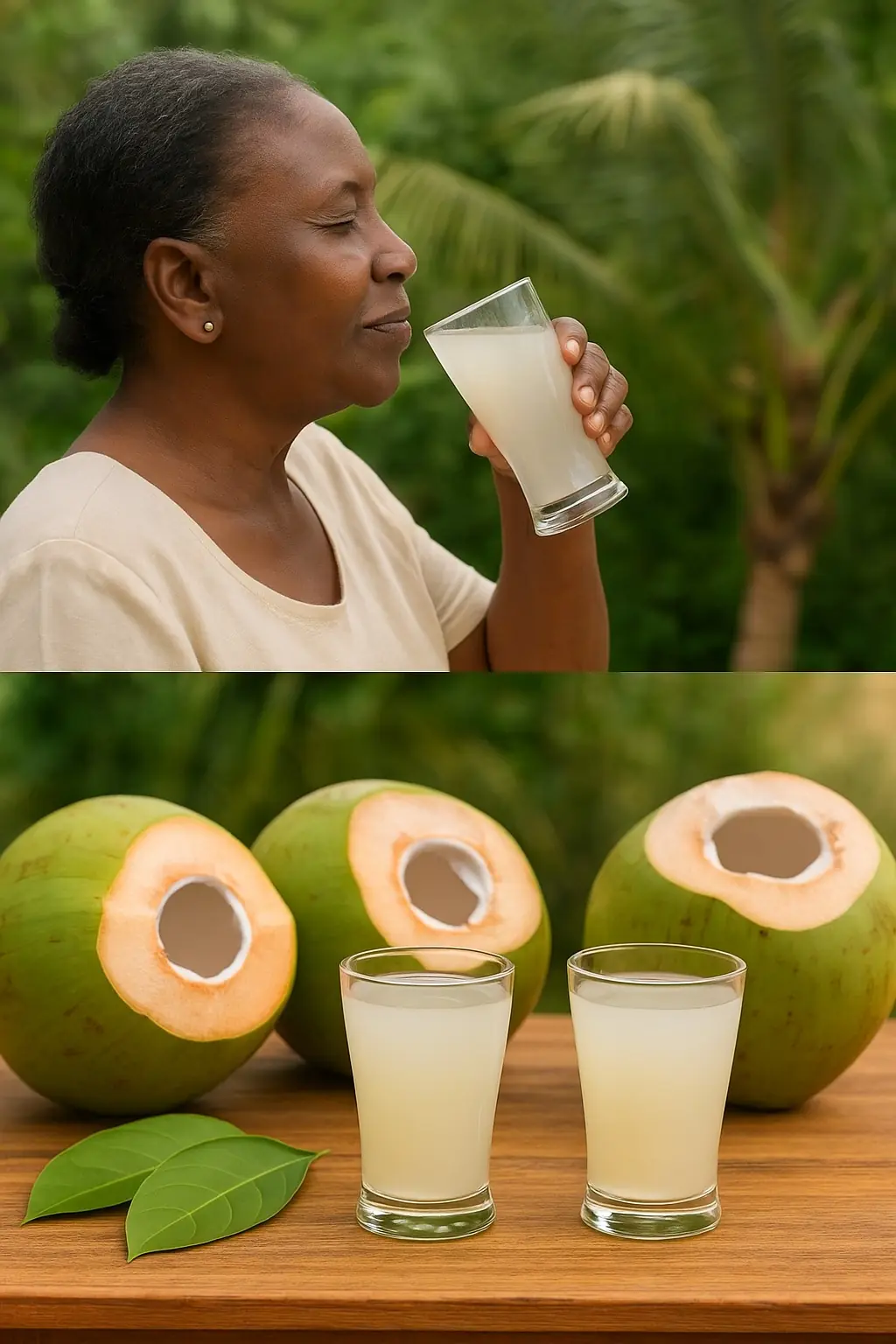
Don’t Drink Coconut Water Before You Know These 11 Secrets!
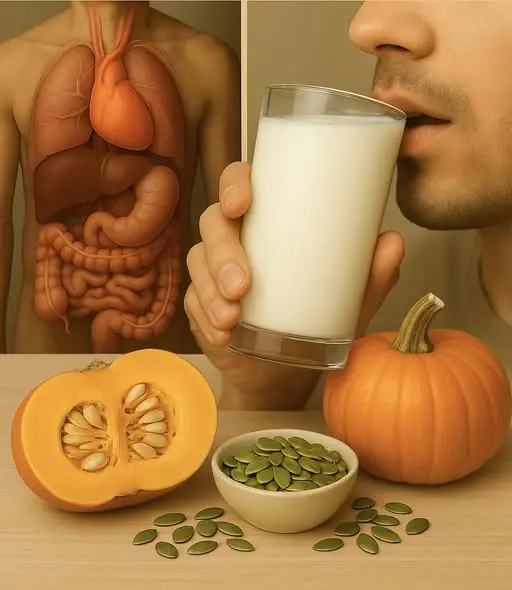
Pumpkin Seed Milk — The Natural Parasite Cleanser
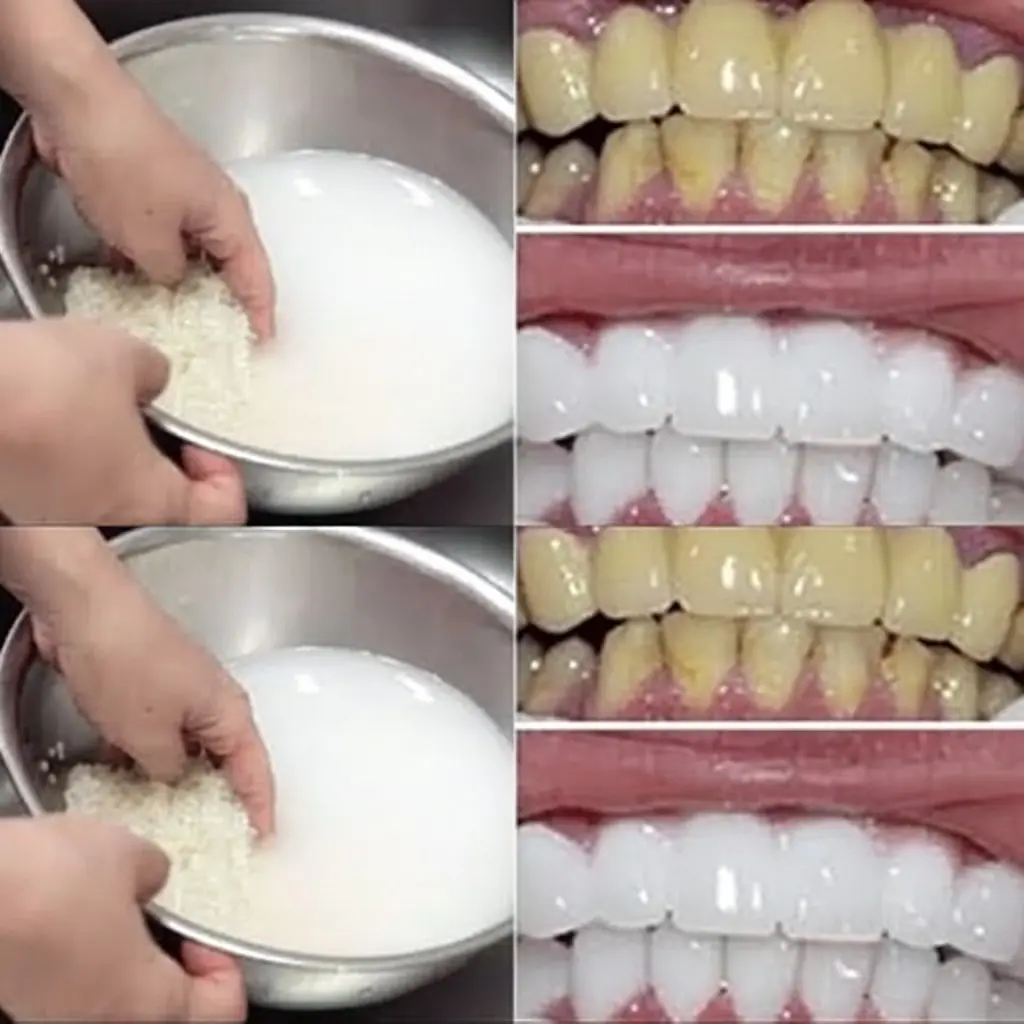
Fast Rice Water Trick for a Brighter Smile
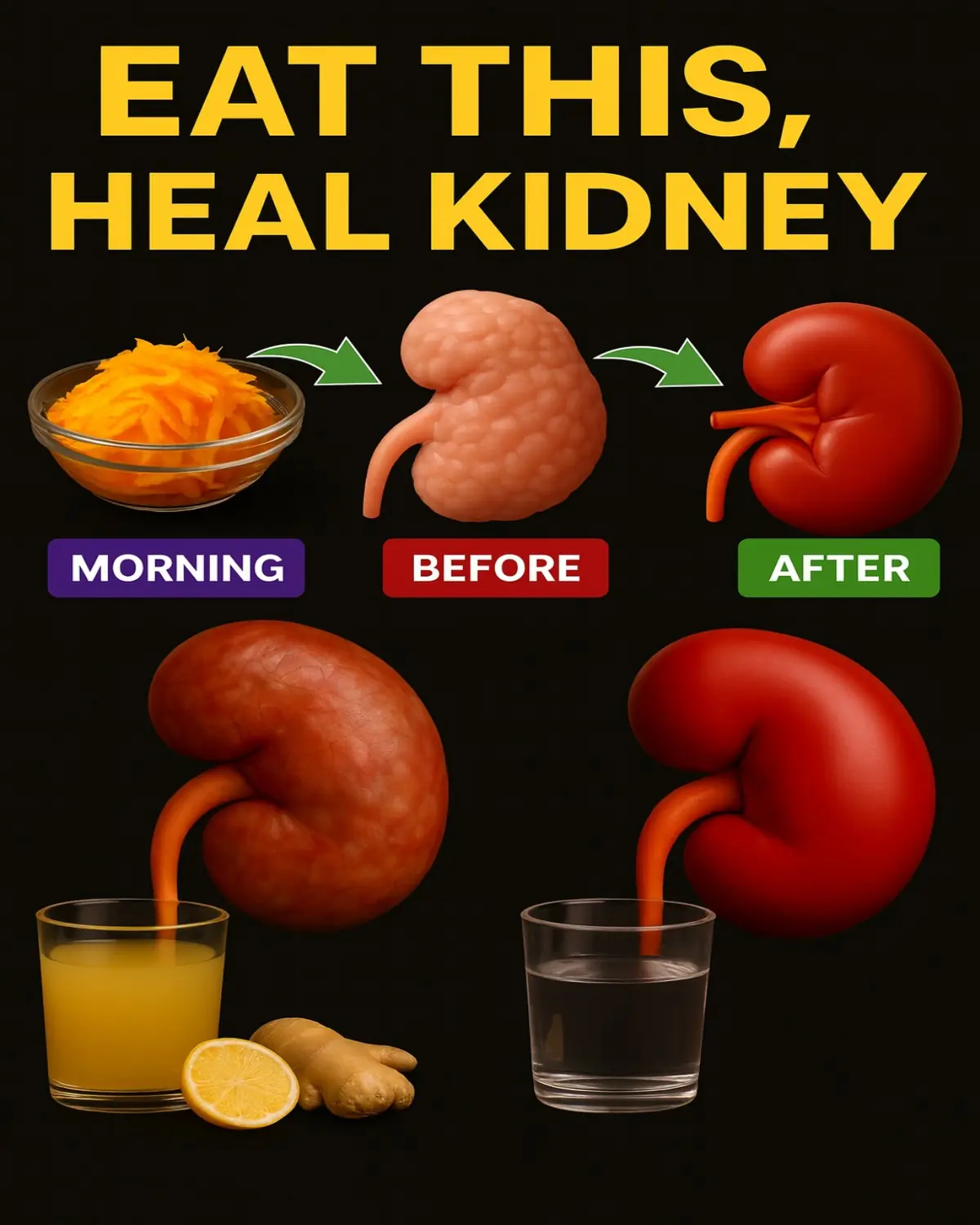
Morning Drink to Revive Your Kidneys Fast
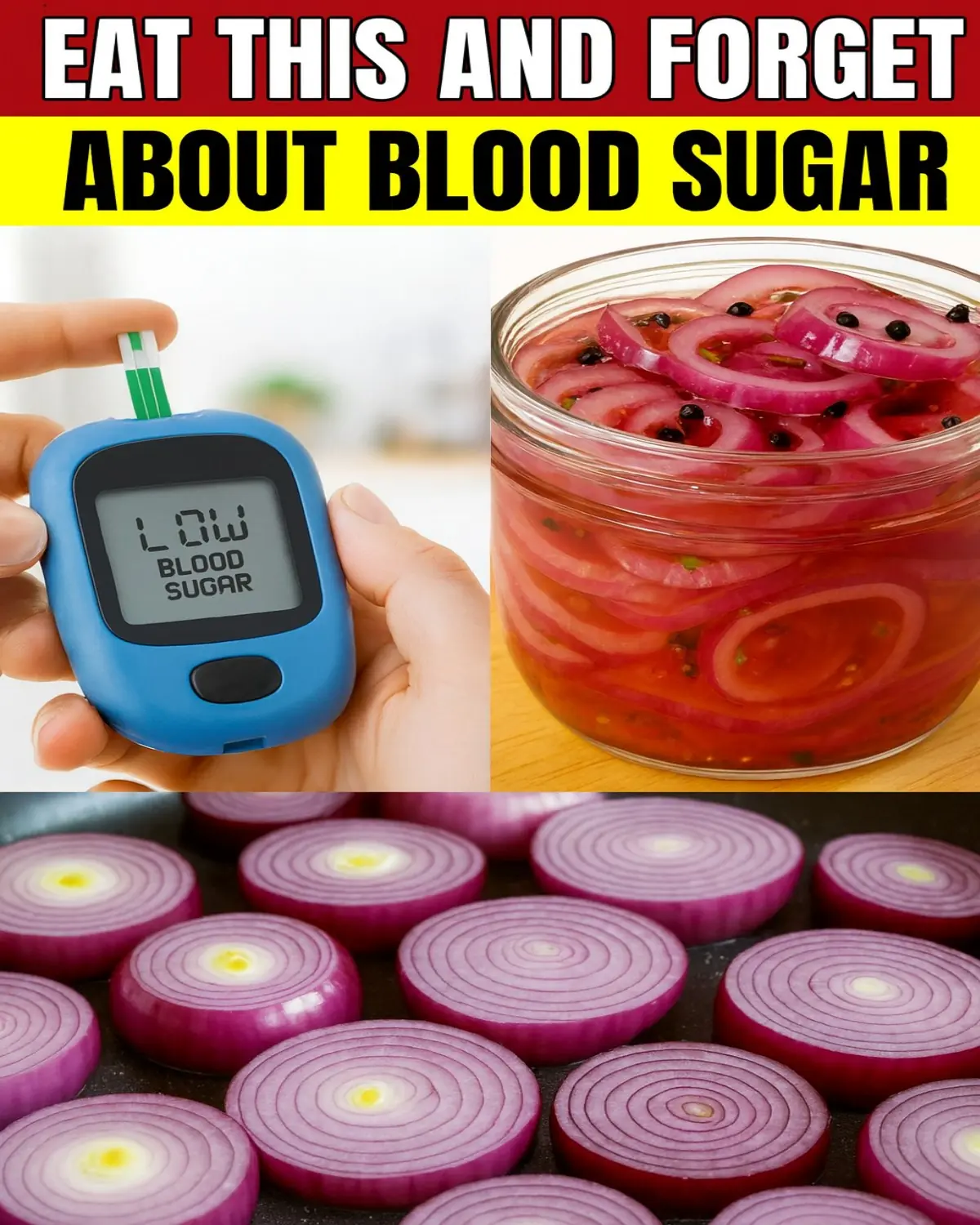
The Onion Recipe That Could Transform Your Blood Sugar, Support Cleaner Arteries, and Protect Your Heart!
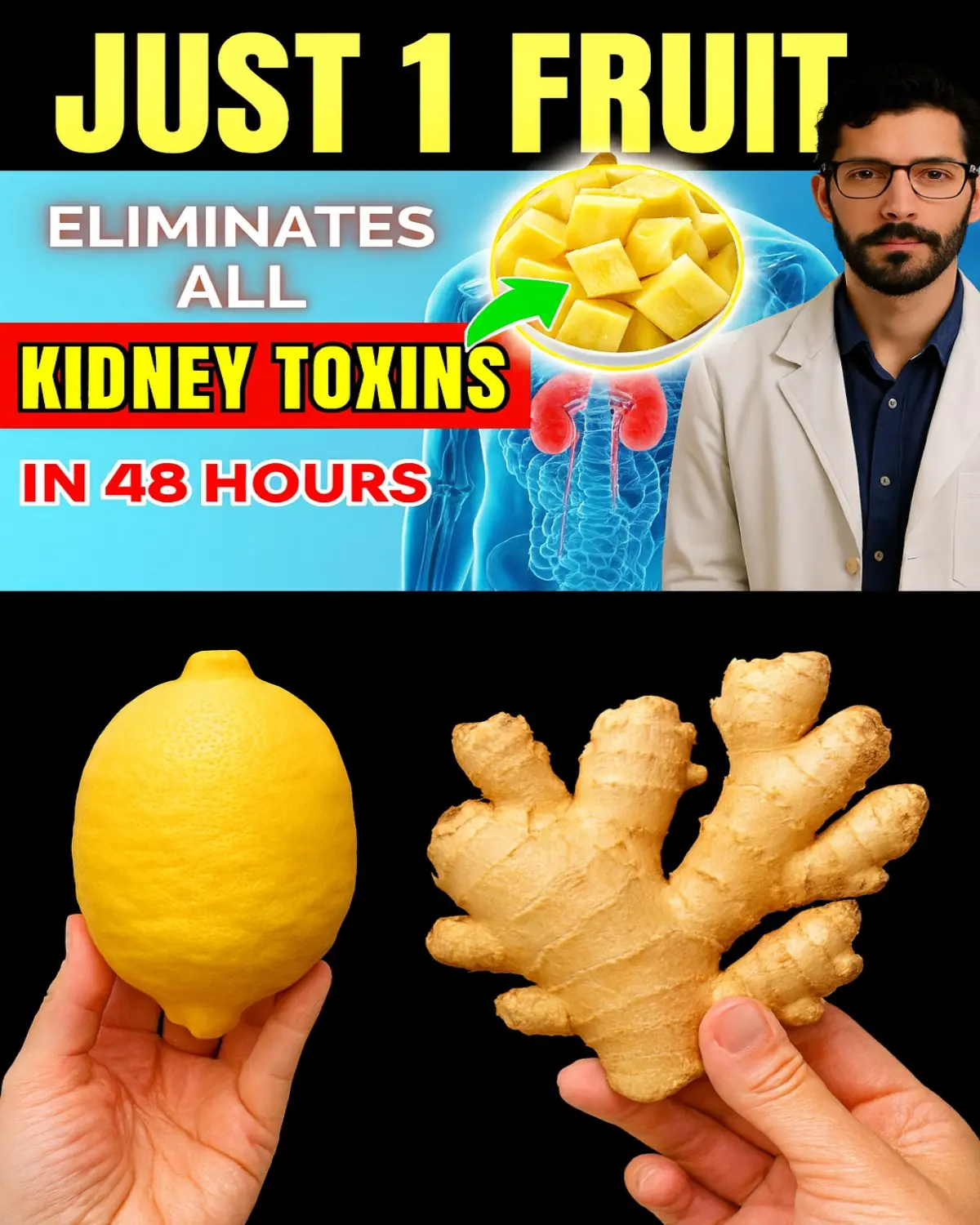
Top 4 Fruits That Help Your Kidneys Flush Out Toxins While You Sleep
Ginger, Clove, and Honey: The Natural Trio Your Body Will Thank You For
Heal 15 Years of Joint Pain Naturally with Turmeric and Honey Tea
This Juice Revived My Grandma’s Energy — Say Goodbye to Fatigue and Body Pain with This Natural Recipe
I’m 66 but Look 36 — My Secret? Aloe Vera & Ginger for Firm, Smooth Skin

How to Make Okra Water to Treat 17 Health Problems Naturally
Banana and Egg Mask to Look Younger Even in Your 80s
Scent Leaf Secrets Unveiled: 10 Surprising Health Benefits of This Miracle Herb
From White Hair to Black Hair Naturally in Just 5 Minutes — Fast Hair Growth Remedy
Boost Your Immune System Year-Round with Garlic, Onion, and Lemon
When You Start Eating 2 Eggs Every Day, Here’s What Happens to Your Body (Is It BAD??)
13 Warning Signs Your Kidneys Are Failing – Don’t Ignore These Symptoms
Save Your Heart: 8 Foods to Naturally Lower Cholesterol
Silent Signs of Artery Blockages Seniors Can’t Ignore
News Post

WHAT HAPPENS WHEN WE TONGUE KISS…See more
Fitness 30/10/2025 13:23
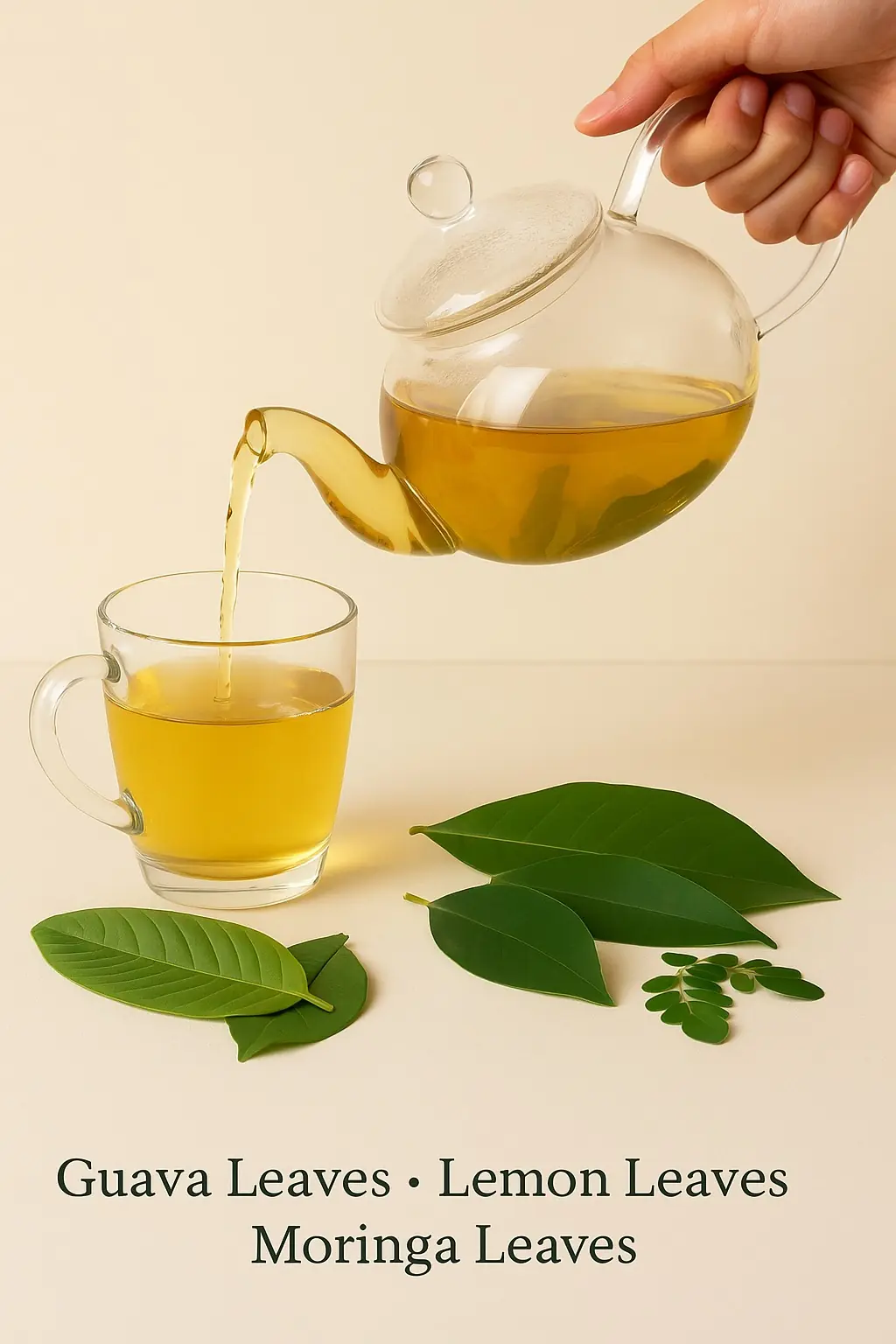
Nature’s Secret: 4 Healing Leaves That Support Metabolism, Immunity & Circulation Naturally
Healthy 27/10/2025 19:23
Don’t Drink Coconut Water Before You Know These 11 Secrets!
Healthy 27/10/2025 19:21
Pumpkin Seed Milk — The Natural Parasite Cleanser
Healthy 27/10/2025 19:19
Fast Rice Water Trick for a Brighter Smile
Healthy 26/10/2025 22:42
Morning Drink to Revive Your Kidneys Fast
Healthy 26/10/2025 22:38
The Onion Recipe That Could Transform Your Blood Sugar, Support Cleaner Arteries, and Protect Your Heart!
Healthy 26/10/2025 22:37
Top 4 Fruits That Help Your Kidneys Flush Out Toxins While You Sleep
Healthy 26/10/2025 22:35
Ginger, Clove, and Honey: The Natural Trio Your Body Will Thank You For
Healthy 26/10/2025 19:06
Heal 15 Years of Joint Pain Naturally with Turmeric and Honey Tea
Healthy 26/10/2025 19:04
This Juice Revived My Grandma’s Energy — Say Goodbye to Fatigue and Body Pain with This Natural Recipe
Healthy 26/10/2025 19:02

The Benefits of Eating 2 Boiled Eggs Every Morning: Transform Your Health!
Health News 26/10/2025 01:57

If Your Kidneys Are in Danger, Your Body Will Send You These 8 Signals — Don’t Ignore Them
Health News 26/10/2025 01:54

The Surprising Effects of Avocado on Your Heart and Brain
Health News 26/10/2025 01:44

Ways to Get Over a Man Who Didn’t Value You
Fun Fact 26/10/2025 01:36
I’m 66 but Look 36 — My Secret? Aloe Vera & Ginger for Firm, Smooth Skin
Healthy 25/10/2025 19:44
How to Make Okra Water to Treat 17 Health Problems Naturally
Healthy 25/10/2025 19:42
Banana and Egg Mask to Look Younger Even in Your 80s
Healthy 25/10/2025 19:29
Scent Leaf Secrets Unveiled: 10 Surprising Health Benefits of This Miracle Herb
Healthy 25/10/2025 19:24
From White Hair to Black Hair Naturally in Just 5 Minutes — Fast Hair Growth Remedy
Healthy 25/10/2025 19:22